Siege of Odawara (1569)
Three days. That is all Takeda Shingen gave Odawara Castle before turning his back on its walls and setting the surrounding town ablaze. In the autumn of 1569, one of the Sengoku period's most feared warlords led his army on a punishing march across Musashi and Sagami provinces, smashing through two castles along the way, only to arrive at the Hojo clan's capital fortress and decide it was not worth the cost of storming. The decision was pragmatic, not cowardly. Odawara's layered defenses -- hills, moats, sheer walls, and a garrison commanded by the experienced Hojo Ujiyasu -- had already repelled Uesugi Kenshin's massive army in 1561. Shingen read the same calculus and chose fire over siege.
A Grudge Carried Across the Mountains
The roots of the 1569 siege lay in a broken alliance. Takeda Shingen, lord of Kai Province in the mountainous interior of central Japan, had long maintained a tripartite pact with the Hojo and the Imagawa clans. When Shingen invaded Suruga Province in 1568, seizing Imagawa territory, the Hojo intervened to check his expansion. Ujiyasu sent forces into Suruga to oppose the Takeda advance. For Shingen, this was betrayal. He dissolved the alliance and turned his army eastward into Hojo territory, intent on striking at the heart of their domain. The campaign was not a spontaneous raid but a calculated show of force meant to demonstrate that the Hojo could not shelter behind their castle walls and meddle in Takeda affairs without consequence.
Two Castles, Then the Fortress
Shingen's route to Odawara cut through the Musashi Plain, where the Hojo maintained a network of satellite fortresses. He struck first at Takiyama Castle, then at Hachigata Castle, where Hojo Ujiyasu's sons Ujiteru and Ujikuni commanded the defenses. Both garrisons held firm, repulsing the Takeda attacks. Rather than grind down these outposts, Shingen bypassed them and pushed deeper into Sagami Province, arriving before the walls of Odawara itself. The castle sat on elevated ground overlooking the Sakawa River plain, ringed by water-filled moats on the low sides and dry ditches on the hillward approaches. Banks, walls, and natural cliffs completed the defenses. With the Hojo garrison dug in behind these formidable works, Shingen chose a different kind of warfare. His troops torched the castle town, sending smoke rising above Odawara for miles.
Three Days of Fire
The burning of Odawara's town was devastating but deliberate. Shingen's army systematically set fire to the residences, workshops, and storehouses that clustered around the castle's outer perimeter, destroying the economic base that sustained the Hojo stronghold. The castle itself, perched on higher ground behind its concentric defenses, remained untouched. For three days the Takeda forces controlled the flatlands around Odawara, daring the Hojo to sally forth. Ujiyasu refused, keeping his garrison behind the walls. It was a standoff: the attacker could destroy everything outside the fortress, but the fortress itself would not yield. On the third day, Shingen gave the order to withdraw. He had made his point. The Hojo knew their lands were vulnerable, even if their castle was not.
Blood at Mimase Pass
The retreat proved more dangerous than the siege. As Shingen's army withdrew northwestward through the mountainous border between Sagami and Kai, the Hojo brothers Ujiteru and Ujikuni sprang an ambush at Mimase Pass on October 6, 1569. The Takeda vanguard, led by the veteran general Baba Nobuharu, absorbed the initial shock. The fighting in the narrow mountain defile was fierce and close, with the Hojo pressing hard against the strung-out Takeda column. The battle turned when Yamagata Masakage launched a furious counterattack that drove the Hojo forces back and broke their momentum. The Takeda army completed its withdrawal to Kai, but the campaign left some 900 dead scattered across the pass. Odawara had survived its second great siege, its walls unbreached, its reputation as the most formidable castle in eastern Japan burnished further.
From the Air
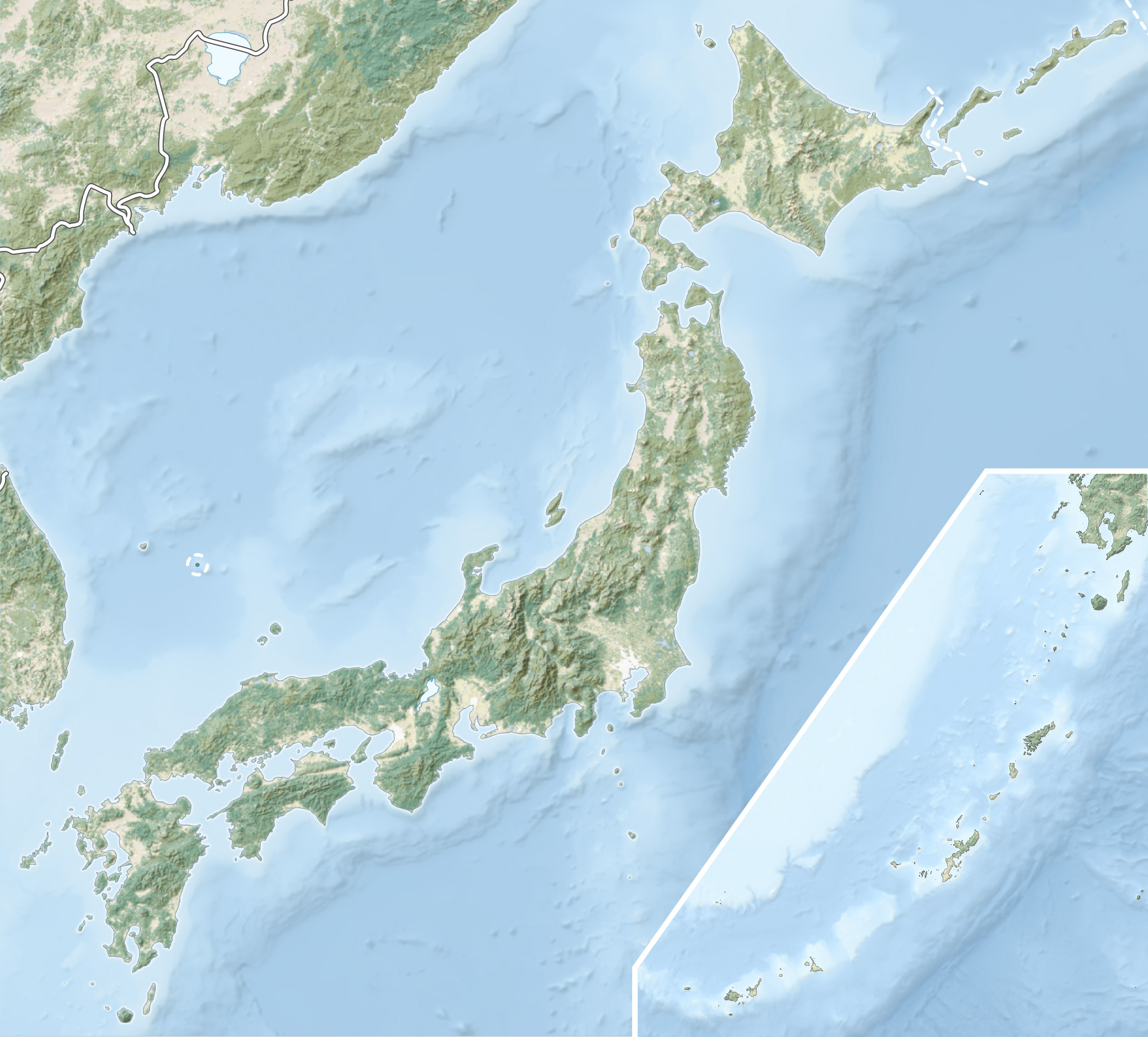
Odawara Castle sits at 35.251N, 139.154E on the Sagami Bay coast of Kanagawa Prefecture, southwest of Tokyo. From the air, the castle grounds are visible as a wooded hilltop near the mouth of the Sakawa River, with the modern city of Odawara surrounding it. The Hakone mountains rise dramatically to the west. Nearest airports: Tokyo Narita (RJAA) approximately 80nm northeast, Haneda (RJTT) approximately 40nm northeast. The castle's reconstructed keep is a white tower visible at lower altitudes. The terrain between Odawara and the mountains to the northwest -- where the Battle of Mimase Pass took place -- drops into steep valleys that illustrate why the retreat was so hazardous.