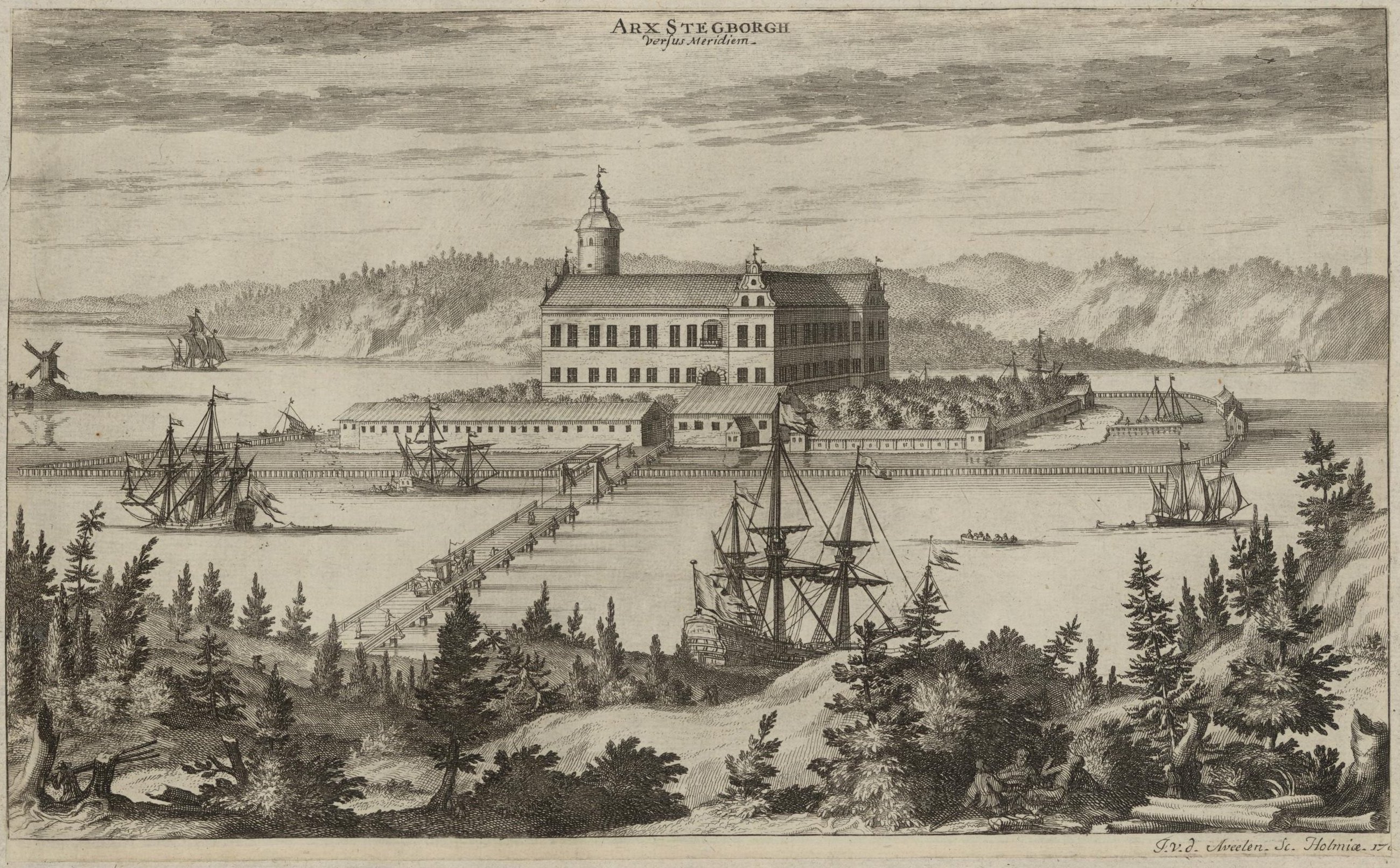
Siege of Stegeborg (1543)
Seven hundred farmers marched through the frozen Swedish winter of 1543, their breath fogging in the February air as they approached the island fortress of Stegeborg. They came not as soldiers but as peasants driven to rebellion by a king's decree banning the sale of butter and oxen to Denmark. What began as economic protest had transformed into armed uprising under the banner of Nils Dacke, and now his lieutenant Erik Olanning led this force toward one of Sweden's most strategic castles. Within days, the siege would unravel in the most unexpected way possible, not through defeat in battle, but through betrayal.
The Butter Rebellion
The Dacke War stands as one of Sweden's most significant peasant uprisings, born not from abstract political grievances but from the daily economics of rural life. When King Gustav Vasa banned the export of oxen and butter to Denmark in 1542, he struck at the livelihood of Smaland's farmers, who depended on cross-border trade. Under the charismatic leadership of Nils Dacke, peasants who had never imagined themselves as revolutionaries began ambushing royal troops in the forests they knew intimately. By early 1543, the rebels controlled large parts of Smaland and Ostergotland, and the king's authority existed only where his soldiers could enforce it.
March to the Fortress
Erik Olanning departed from Tjust in February 1543 with 700 men, three hundred of them commanded by Per Djup. The burghers of Vastervik threw their support behind the peasant army, and as word spread, more farmers joined the march. The force plundered the estates at Haradssater and Bjorkvik as they advanced, gathering supplies and momentum. When they finally reached Stegeborg, the castle sat on its island in the narrow sound at Slatbaken, its strategic position having guarded the approach to Soderkoping for centuries. The peasants attacked from both land and sea, and despite fierce resistance from the castle's commander Svante Sture, they managed to capture several of the fortress's guns.
The Inexplicable Defection
Then something strange happened. At the moment when the siege seemed to be progressing, Erik Olanning abruptly changed sides. The reasons remain unknown to history, lost in the chaos of a civil conflict where loyalties shifted like winter winds. Olanning sent the majority of his men home, effectively ending the siege without a formal defeat. Those peasants who remained, perhaps confused or simply too committed to retreat, were caught by the Swedish relief force under Johan Turesson and Joakim Bulgrin when it arrived on February 19th. Between 40 and 150 men died in the brief, bloody encounter. Others were captured, including one of the leaders.
A Traitor's Information
After his defection, Erik Olanning traveled to Gripsholm Castle where he met directly with King Gustav Vasa. Whatever his motivations for abandoning the cause, he proved his new loyalty by revealing Nils Dacke's military strategies and providing a list of local rebel leaders. This intelligence helped the crown systematically dismantle what remained of the uprising. The Dacke War would continue for months, but the failed siege at Stegeborg marked a turning point. The rebellion that had seemed capable of challenging royal authority began its slow collapse, undermined as much by internal betrayal as by military force.
The Castle Endures
Stegeborg itself survived the siege largely unscathed, its medieval walls having held against yet another assault in its long history as a contested stronghold. The castle would continue to play a significant role in Swedish history, eventually becoming a Renaissance palace under King John III, who was born within its walls in 1537. Today the fortress stands in picturesque ruins on its island, a place where tourists stroll past crumbling masonry that once echoed with the sounds of peasant armies and royal defenders. The siege of 1543 left no visible scars, but it added another layer to the site's rich history of conflict, betrayal, and survival.
From the Air
Located at 58.44N, 16.60E on an island in Slatbaken bay, Ostergotland, Sweden. The castle ruins are visible from low altitude on the narrow sound leading to Soderkoping. Nearest airport is Norrkoping Airport (ESSP), approximately 35 km northwest. Best viewed in clear weather at 2,000-3,000 feet for context of the island's strategic position controlling the water approach.