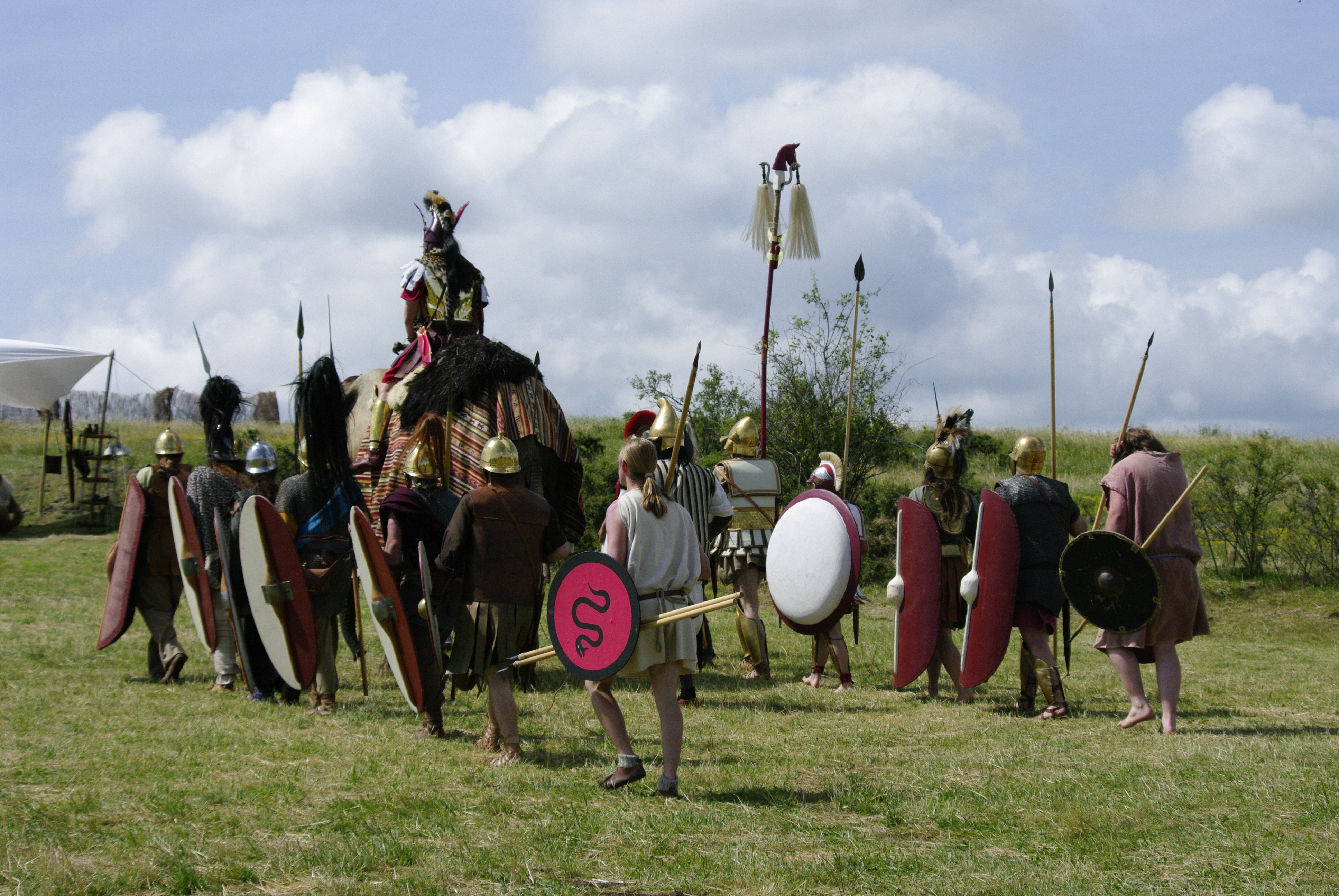
Siege of Tunis (Mercenary War)
Twenty thousand soldiers returned from Sicily expecting to be paid. Carthage, bankrupt from 23 years of war against Rome, tried to negotiate a lower rate. The soldiers seized the city of Tunis. What followed was not merely a mutiny but a three-year existential crisis that Polybius, writing barely a generation later, called the Truceless War -- a conflict so savage that prisoners were tortured to death by both sides, and the bodies of defeated leaders were crucified within sight of their comrades.
The Price of Victory
The First Punic War had lasted from 264 to 241 BC and ended with Carthaginian defeat. The cost was staggering. While the war with Rome bled the treasury, the Carthaginian general Hanno had doubled taxes across the African possessions and seized half of all agricultural output to fund both the war and his own campaigns of territorial expansion. When the 20,000 veterans of the Sicilian campaign were shipped home in detachments, Carthage made a fatal miscalculation: rather than paying them immediately, the Senate waited for all troops to arrive, then tried to negotiate the bill down. Freed from discipline and crowded together with nothing to do, the soldiers refused. They marched on Tunis and took it by force.
Generals of the Desperate
The mutiny might have ended with a negotiated settlement, but two men ensured it would not. Spendius, an escaped Roman slave who faced death by torture if recaptured, and Mathos, a Berber enraged by Carthage's tax policies, were declared generals by the rebellious troops. They had everything to lose from peace. News of their army spread across Carthage's African territories, and according to Polybius, some 70,000 additional men eventually joined the rebellion. Cities and towns that had suffered under Carthaginian taxation saw their chance and rose in revolt. What had begun as a pay dispute became an uprising that threatened Carthage's survival as a state.
The War Without Mercy
Hamilcar Barca -- father of the future Hannibal -- took command of a new Carthaginian army and initially offered captured rebels generous terms: join his forces or receive free passage home. Spendius, recognizing that such clemency might lure his followers into defection, responded by having 700 Carthaginian prisoners tortured to death. Their hands were cut off. They were castrated. Their legs were broken. They were thrown into a pit and buried alive. The Carthaginians retaliated in kind, trampling future prisoners to death under their war elephants. From that point forward, neither side showed any quarter. Polybius gave the conflict its grim name: the Truceless War, a struggle beyond all rules and all mercy.
Crucifixion and Counter-Attack
By October 238 BC, Hamilcar had crushed the rebel field army at the Battle of the Saw and marched on Tunis with 20,000 men. He split his forces, placing his deputy Hannibal to the north and himself to the south, separated by a salt marsh that made mutual support impossible -- a 25-kilometer march between camps across hilly terrain. Hamilcar brought ten captured rebel leaders to Hannibal's camp and had them tortured and crucified in plain view of the rebel lines. He expected this to break their spirit. Instead, the sight of their dead commanders steeled the rebels for a night attack. Mathos struck Hannibal's camp under cover of darkness, overrunning the ill-prepared defenders. Hannibal and 30 Carthaginian notables were captured, tortured, and nailed to the same crosses their leaders had occupied.
The Bitter End
Despite his dramatic victory, Mathos could not hold Tunis. Supplies dwindled, and he led his army 160 kilometers south to the port city of Leptis Parva. Hamilcar and Hanno pursued with every Carthaginian citizen of military age, totaling more than 25,000 men and many war elephants. At the Battle of Leptis Parva, the rebels were crushed. In a calculated shift of policy, the Carthaginians took prisoners this time -- preventing a desperate last stand that might have cost them dearly. The captives were sold into slavery. Mathos was dragged through the streets of Carthage and tortured to death by its citizens. The remaining rebel cities surrendered within weeks. Carthage had survived, but the human cost on all sides was enormous, and the scars would shape the generation that included Hamilcar's son -- a boy named Hannibal, who would grow up watching his father rebuild what the mercenaries had nearly destroyed.
From the Air
Centered on ancient Tunis at 36.80°N, 10.17°E. The Lake of Tunis, which played a key role in the siege geography, is clearly visible from altitude as a large body of water adjacent to the modern city. The salt marsh that separated Hamilcar's camps would have been to the west. Tunis-Carthage International Airport (DTTA) lies approximately 8 km to the northeast. Best viewed at 5,000-8,000 feet to appreciate the peninsula geography that shaped the siege.