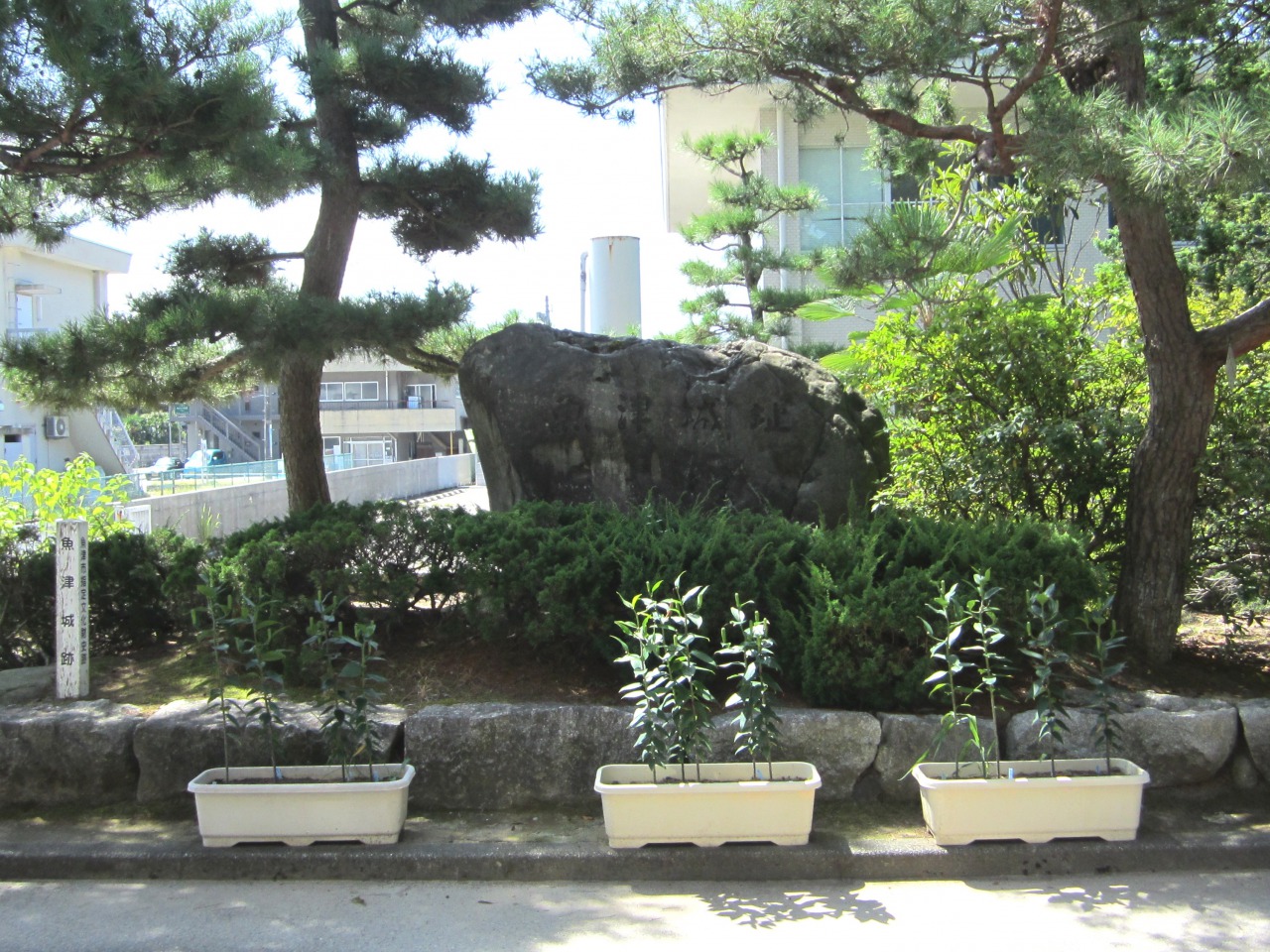
The Siege of Uozu: A Victory That Arrived Too Late
The defenders of Uozu Castle held out for three months. Thirteen samurai retainers of the Uesugi clan, outnumbered perhaps ten to one, sent desperate messages to their lord Uesugi Kagekatsu begging for reinforcements that never came. When the castle finally fell on June 3, 1582, the thirteen chose death over capture, ending their lives in the ritual manner of warriors who had exhausted every option. What makes their sacrifice cut deeper than most is the timing. Eighteen days later, the man whose armies had crushed them -- Oda Nobunaga, the most powerful warlord in Japan -- was himself killed by a treacherous vassal at Honnoji temple in Kyoto. If the garrison had held just a few weeks longer, the siege would have dissolved on its own. Uozu Castle sits today as quiet ruins on a hill above the coastal city of Uozu in Toyama Prefecture, a place where timing proved more devastating than any weapon.
The Borderlands of Etchu
Etchu Province -- modern Toyama Prefecture -- was contested ground throughout Japan's Sengoku period. Pinned between the Sea of Japan and the Northern Alps, the province's wide river plains made it both fertile and strategically exposed. By the early 1580s, two great powers pressed against each other here: Oda Nobunaga's expanding domain from the south and west, and the Uesugi clan's territory to the north and east. Complicating matters were the Ikko-ikki, the Buddhist militant leagues whose uprisings could destabilize any warlord's grip. Uozu Castle, positioned in the eastern part of the province near the coast, served as a forward stronghold for the Uesugi, a defensive anchor against the Oda advance that everyone knew was coming. The castle had been reinforced with some of Uesugi Kagekatsu's most trusted retainers, including Nakajo Kageyasu. They understood what the castle represented: the last barrier before Echigo, the Uesugi heartland.
Forty Thousand Against Four Thousand
In March 1582, Oda Nobunaga ordered his generals to break the Uesugi hold on eastern Etchu. Shibata Katsuie and Sassa Narimasa, two of Nobunaga's most capable commanders, rode north from Toyama Castle with an army that sources estimate at 40,000 soldiers. Maeda Toshiie and Sakuma Morimasa joined the campaign. They targeted both Uozu Castle and nearby Matsukura Castle, aiming to shatter the Uesugi defensive line in a single coordinated assault. The Uesugi garrison at Uozu numbered fewer than 4,000 -- a fraction of the attacking force. Despite the overwhelming odds, the defenders dug in. Nakajo Kageyasu and twelve other senior warriors organized the defense and dispatched urgent appeals to Uesugi Kagekatsu at Kasugayama Castle, the main Uesugi stronghold in Echigo Province. But Kagekatsu, facing threats on multiple fronts, could not send help. The garrison was on its own.
Three Months and Thirteen Deaths
For roughly three months, the defenders of Uozu held against an army that outnumbered them nearly ten to one. The details of the siege's daily grind have not survived in great detail, but the outcome is recorded clearly. On June 3, 1582, with the walls finally breached and no prospect of relief, the thirteen principal defenders chose to end their lives rather than surrender. Among the dead were Nakajo Kageyasu, Takemata Yoshitsuna, and Yoshie Kagesuke -- experienced warriors whose loss was a serious blow to the Uesugi clan. Their deaths opened the road to Echigo Province for an Oda invasion. The fall of Uozu was a crushing strategic defeat for the Uesugi, removing their last foothold in Etchu and exposing their home territory to attack from the west.
The Twist at Honnoji
Eighteen days after Uozu fell, on June 21, 1582, Oda Nobunaga was staying at Honnoji temple in Kyoto when his own general, Akechi Mitsuhide, turned against him. Surrounded and outnumbered, Nobunaga died -- whether by his own hand or the flames that consumed the temple remains debated. The Incident at Honnoji shattered the Oda domain overnight. Shibata Katsuie's army in Etchu, poised to press the advantage that Uozu's fall had given them, suddenly had no master to serve and no clear chain of command. The invasion of Echigo never materialized. The Uesugi clan survived, eventually finding new footing under Toyotomi Hideyoshi's unification of Japan. The bitter irony for the thirteen defenders of Uozu is inescapable: the strategic catastrophe they died trying to prevent was rendered moot within weeks by an act of betrayal half a country away.
Ruins Above the Sea
Today, Uozu Castle survives only as ruins on a hill in the coastal city of Uozu, Toyama Prefecture. The earthworks and stone foundations trace the outline of the fortress that once anchored the Uesugi border. The site looks out toward the Toyama Bay coastline and the mountains that frame the Etchu plain -- the same landscape the garrison watched from their walls as they waited for reinforcements that never came. Uozu itself is a quiet fishing and manufacturing city, better known for firefly squid that rise from deep water in the bay each spring than for Sengoku-era siege warfare. But the ruins remain, a reminder of thirteen men who chose to die defending a position whose strategic value evaporated before their bodies were cold.
From the Air
Located at 36.8133N, 137.3975E on the coast of Toyama Bay in eastern Toyama Prefecture. The castle ruins sit on a low hill above the modern city of Uozu. Toyama Bay stretches to the north, with the dramatic wall of the Northern Alps visible to the south and east. Toyama Airport (RJNT) is approximately 20 nautical miles to the southwest. The Tateyama mountain range provides a dramatic alpine backdrop. Best viewed at 3,000-5,000 feet AGL from over Toyama Bay, where the coastal plain and mountain backdrop recreate the strategic geography of the 1582 siege. Clear days reveal the full sweep from the bay coast to the 3,000-meter peaks of the Hida Mountains.