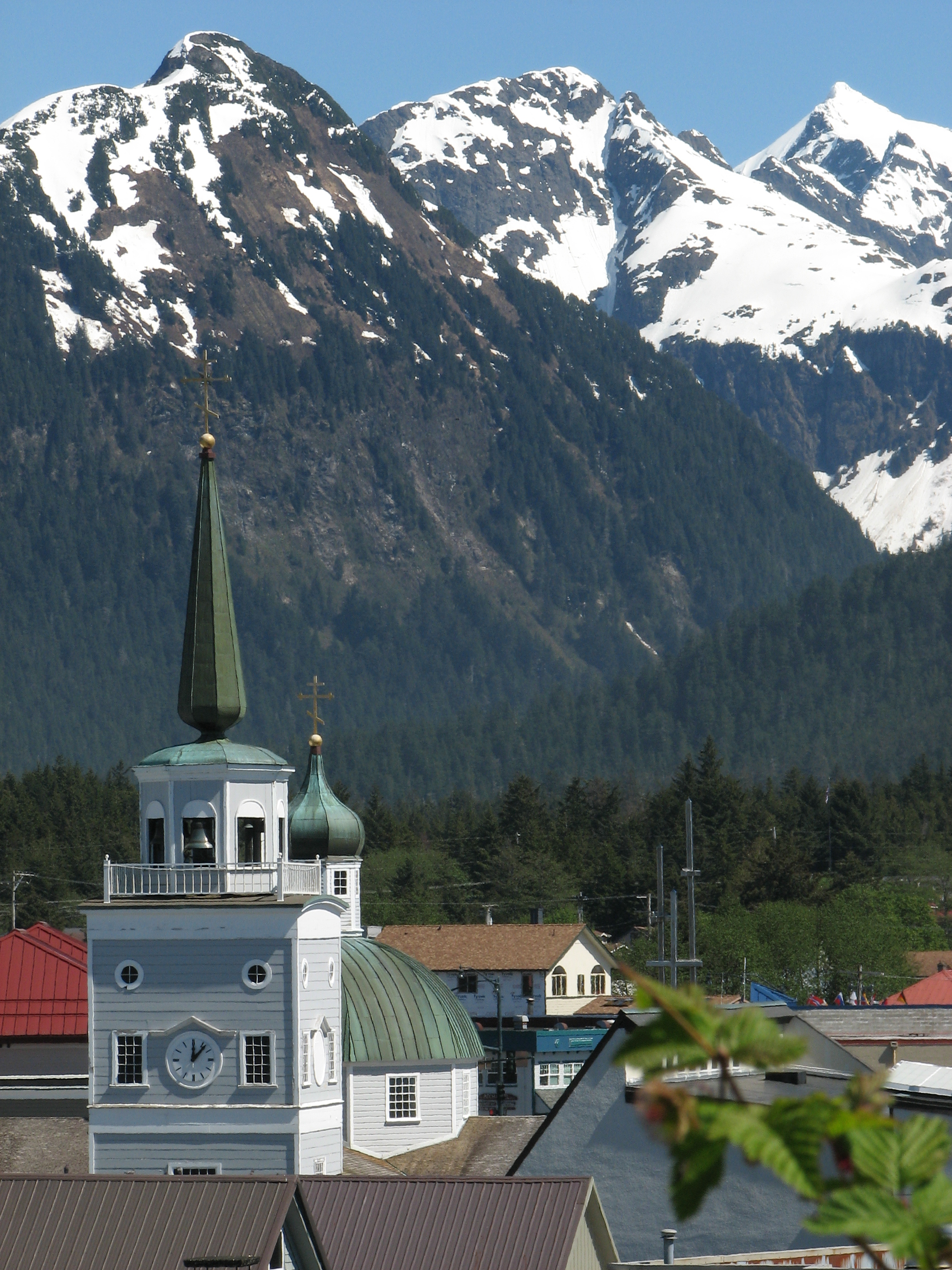
Sitka: Where Russia Sold America Its Future
On October 18, 1867, the Russian flag descended over Sitka and the American flag rose in its place. The transfer of Alaska was complete - $7.2 million for 586,412 square miles, roughly two cents an acre. Critics called it 'Seward's Folly' after Secretary of State William Seward, who negotiated the purchase. The folly produced oil, gold, salmon, and strategic position that proved invaluable. Sitka, the former colonial capital, preserves Russian America in Orthodox churches and cemetery, in the Tlingit history of resistance, in the layers of culture that three nations deposited on these rain-forested islands. The Russians left; their architecture and religion remained.
The Russians
Russian fur traders reached Alaska in the 1740s, exploiting sea otter pelts for the Chinese market. The Russian-American Company established permanent settlement in 1799, choosing Sitka for its harbor and abundant resources. Tlingit warriors destroyed the first settlement in 1802; the Russians returned in 1804 with warships and recaptured the site. The Battle of Sitka was the last major armed resistance to European colonization in North America. The Russians built a town: governor's house, Orthodox cathedral, warehouses, and defensive works. Sitka became New Archangel, capital of Russian America, the largest settlement north of San Francisco.
The Purchase
By the 1860s, Russian America was expensive and vulnerable. The sea otters were depleted; the colony barely paid for itself. Russia had lost the Crimean War and feared British seizure of Alaska. The Americans, recovering from Civil War, seemed unlikely adversaries. Negotiations proceeded secretly; the treaty was signed in March 1867. The price - $7.2 million in gold - seemed high to American critics who saw Alaska as frozen wasteland. The Klondike Gold Rush thirty years later began changing minds. The oil discoveries at Prudhoe Bay a century later completed the vindication. Seward's Folly became one of history's great bargains.
The Tlingit
The Tlingit lived in the Sitka region for thousands of years before Russian arrival. They were traders, warriors, and artists whose elaborate clan houses and totem poles demonstrated sophisticated culture. Russian colonization disrupted but didn't destroy Tlingit society. The 1804 battle represented the last armed resistance; afterward, Tlingit adapted while maintaining identity. The Sitka National Historical Park preserves both the battle site and a collection of totem poles moved from surrounding villages. Today the Sitka Tribe of Alaska maintains presence and authority; Tlingit culture is visible in art, ceremony, and ongoing claims to traditional territory.
The Orthodox
St. Michael's Cathedral, rebuilt after 1966 fire, anchors Sitka's Russian legacy. The onion dome silhouette is visible throughout town - Orthodox architecture in temperate rainforest. The Russian Orthodox faith took root among Native converts; it persists today as living tradition, not museum piece. Orthodox cemeteries hold Russians, Tlingit, and Aleuts who adopted the faith. The cathedral contains icons rescued from the fire, some dating to the Russian period. The church services continue in Slavonic and English, serving a congregation that has worshipped here in some form for over 200 years.
Visiting Sitka
Sitka is located on Baranof Island in southeast Alaska, accessible only by air or sea. Alaska Airlines serves Sitka from Juneau, Ketchikan, and Seattle. The Alaska Marine Highway connects Sitka to other Southeast communities. The town is compact and walkable. St. Michael's Cathedral dominates the downtown. Sitka National Historical Park combines battle site, totem poles, and Russian-era structures. The Alaska Raptor Center rehabilitates injured birds. The Russian Bishop's House is a National Historic Landmark. Whale watching and fishing charters operate from the harbor. Weather is mild but wet - expect rain. The experience combines Russian, Tlingit, and natural history in a setting of extraordinary beauty.
From the Air
Located at 57.05°N, 135.33°W on Baranof Island in Alaska's southeast panhandle. From altitude, Sitka appears on a narrow coastal strip facing Sitka Sound, protected islands visible offshore. Mount Edgecumbe, a dormant volcano, rises on Kruzof Island to the west. The rainforest-covered mountains rise steeply behind town. The harbor contains fishing boats and cruise ships seasonally. The town is accessible only by water or air - no road connects to mainland Alaska. The Alexander Archipelago extends in all directions, a maze of forested islands and passages. What appears from altitude as a small town in dramatic setting was once Russia's gateway to North America, the capital of an empire that sold its American future for the price of a year's military budget.