Six Flags New Orleans
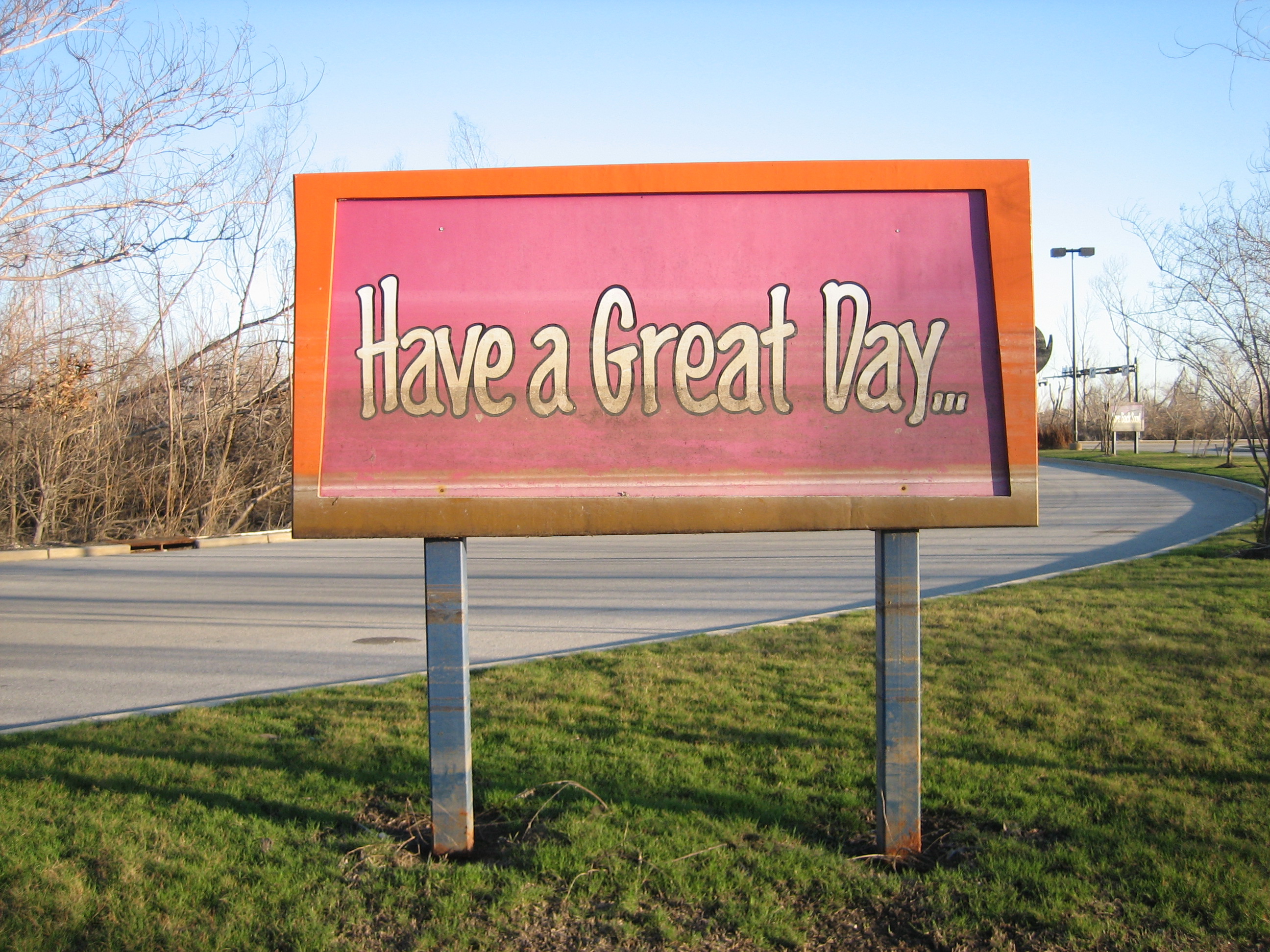
The last screams of delight rang out on Sunday, August 21, 2005. Eight days later, Hurricane Katrina buried Six Flags New Orleans under several feet of corrosive, brackish floodwater, and the roller coasters never turned again. For nearly two decades, the abandoned park sat in eastern New Orleans like a fever dream, its rusting rides and faded signs becoming one of the most photographed modern ruins in America. Mega Zeph's wooden track warped in the Louisiana heat. The clown faces on the Joker's Jukebox stared out over empty midways. Nature crept in through every crack, turning a place built for joy into something altogether more unsettling.
Jazzland's Short-Lived Promise
The park opened as Jazzland on May 20, 2000, the culmination of nearly a decade of deal-making by founders Tom and Dian Winingder. An estimated 20,000 to 25,000 people showed up for opening day, and 75,000 to 80,000 season passes had already been sold. The themed areas read like a love letter to Louisiana: Mardi Gras, Pontchartrain Beach, Cajun Country, Jazz Plaza. The star attraction was Mega Zeph, a wooden roller coaster built on a steel frame to resist both termites and hurricane winds, inspired by the beloved Zephyr at the old Pontchartrain Beach Amusement Park near Lake Pontchartrain. HUD had loaned $25.3 million to build the park, betting on its economic impact. But the finances unraveled quickly. The original operator went bankrupt, leaving the city of New Orleans liable for the federal loan. In March 2002, Six Flags purchased the lease for $22 million and poured another $20 million into upgrades, adding Batman: The Ride, an inverted coaster relocated from a defunct park in Japan.
The Water That Would Not Leave
The park sat on low-lying ground in New Orleans East, surrounded by an earthen flood berm that was supposed to keep water out. When Katrina struck, it did the opposite. The berm trapped the floodwater inside like a bathtub, submerging the entire park in a corrosive mix of rainwater and saltwater overflow from Lake Pontchartrain. The drainage pumps failed during the storm, and the water sat for over a month. Salt water is merciless to steel and wood alike. When Six Flags inspectors finally assessed the damage, they reported that 80 percent of the park buildings, flat rides, and attractions were destroyed by the long-term immersion. Mega Zeph's wooden track and steel frame were likely beyond repair. The only major ride to survive relatively intact was Batman: The Ride, thanks to its elevated platform and corrosion-resistant structure. By the time the park closed, Six Flags had invested $44 million in upgrades. The storm destroyed $32.5 million worth of assets.
Effective Total Loss
On July 1, 2006, Six Flags declared the park an "effective total loss" and began negotiating to exit its 75-year lease. Then-Mayor Ray Nagin tried to force the company to rebuild, but Six Flags had already been closing its smaller, less profitable parks nationwide, and the New Orleans location had never been a strong performer. The company stripped what it could. Batman: The Ride was disassembled and shipped to Six Flags Fiesta Texas in San Antonio, where it reopened as Goliath in April 2008. Other rides were scattered across the country: the Bayou Blaster and Sonic Slam tower rides went to Great Escape in Queensbury, New York; Road Runner Express ended up at Six Flags Magic Mountain in California. In September 2009, the city fined Six Flags $3 million and ordered the company to vacate. Six Flags filed for Chapter 11 bankruptcy protection. New Orleans took ownership of a park that nobody wanted.
Hollywood's Favorite Ruin
What was useless as a theme park turned out to be irresistible to filmmakers. The abandoned grounds, with their peeling paint and overgrown midways, offered a ready-made post-apocalyptic backdrop. The 2011 film Killer Joe used Mega Zeph's decaying coaster as a setting. Percy Jackson: Sea of Monsters transformed the park into a mythological island in 2012, with production crews spending two weeks covering graffiti and installing lighting to restore the derelict buildings to filmable condition. Dawn of the Planet of the Apes shot scenes there in 2013. Jurassic World used the parking lot in 2014, and Deepwater Horizon built its oil rig set in the same lot. The park appeared in the video game Mafia III, in rapper NF's music video for "Leave Me Alone," and in the 2019 documentary Closed for Storm, which chronicled the park's haunting afterlife through interviews with former employees and fans.
Bayou Phoenix Rising
For nearly two decades, the site cycled through failed redevelopment proposals. Southern Star Amusement tried three separate times between 2008 and 2011. A Nickelodeon Universe plan collapsed when bonds fell through. An outlet mall proposal fizzled. The Paidia Company spent a decade pursuing its own vision without success. By 2018, one developer declared the property had reached a "point of no return," with the remaining rides and buildings no longer economically viable to salvage. Then, in October 2021, Mayor LaToya Cantrell announced Bayou Phoenix as the chosen redevelopment partner. After years of uncertainty, a lease agreement was reached in March 2023, and demolition finally began in November 2024. After 19 years of standing as one of America's most recognizable abandoned landmarks, Six Flags New Orleans is being torn down to make way for whatever comes next.
From the Air
Located at 30.05N, 89.93W in low-lying New Orleans East, the former Six Flags site is visible from altitude as a large cleared area east of the I-510/I-10 interchange. As of late 2024, demolition was underway, so the familiar outlines of roller coaster tracks and park structures may no longer be visible. Lake Pontchartrain lies to the north, and the surrounding area is flat marshland and suburban development. Nearby airports include Louis Armstrong New Orleans International (KMSY) approximately 20 miles west and Lakefront Airport (KNEW) approximately 8 miles to the west-northwest.