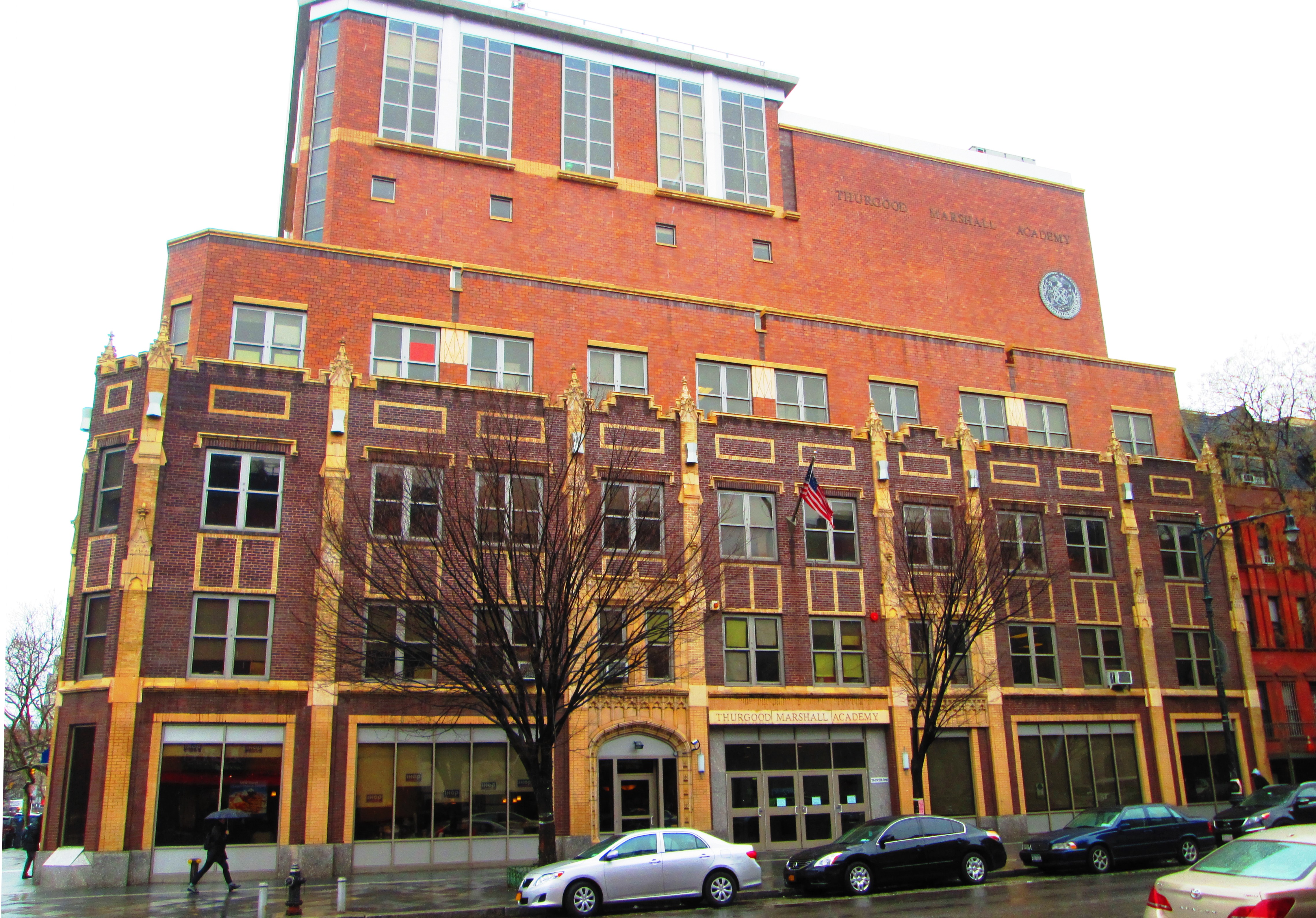
Smalls Paradise
The waiters at Smalls Paradise did not merely bring you a drink. They danced the Charleston while balancing trays above their heads. They roller-skated between tables. They sang during the floor shows. And unlike the Cotton Club or Connie's Inn -- the other legendary Harlem nightclubs of the 1920s -- Smalls Paradise would actually let you through the door regardless of the color of your skin. When Ed Smalls opened his club in the basement of 2294 Seventh Avenue on October 26, 1925, nearly 1,500 people packed the room, and for the next six decades the music never fully stopped.
The Only Integrated Stage in Harlem
Edwin Alexander Smalls had run a smaller venue, the Sugar Cane Club, since 1917. But when he opened Smalls Paradise during the height of the Harlem Renaissance, he envisioned something the neighborhood's other premier clubs would not offer: a space where his Black neighbors and downtown white New Yorkers could share the same room. The Cotton Club and Connie's Inn admitted only white patrons unless you happened to be a Black celebrity. Smalls had no cover charge, served better food than his competitors, and stayed open long after the others closed. At 6 AM, a full breakfast dance kicked off with a floor show featuring up to 30 dancers and a complete jazz band. Charlie Johnson's orchestra served as the house band for ten years, and during their residency the roster included Jabbo Smith, Benny Carter, Sidney De Paris, and Sidney Bechet.
Where Legends Stumbled and Soared
In the early 1930s, a teenage girl was brought to Smalls Paradise for an audition with Charlie Johnson's band. When asked what key she sang in, she had no idea. The audition went nowhere. The girl was Billie Holiday, and it was her first attempt at singing professionally. Fats Waller was a regular at the club, and in 1934 he recruited two musicians from the Smalls Paradise house band -- Harry Dial and Herman Autrey -- to record with him as Fats Waller and His Rhythm. Between 1942 and 1943, a young Malcolm X worked the floor as a waiter, absorbing the rhythms and relationships of Harlem nightlife. Glenn Miller, Tommy Dorsey, and Buddy Rich would drop in after their own gigs elsewhere to jam with the house band simply for the joy of playing.
Du Bois, Einstein, and McCarthyism at the Club
On February 23, 1951, civil rights activist W. E. B. Du Bois celebrated his 83rd birthday at Smalls Paradise. The banquet had been sponsored by Albert Einstein, Mary McLeod Bethune, Paul Robeson, and others, and was originally scheduled for the Essex House hotel. But this was the era of McCarthyism. A pro-McCarthy group circulated a newsletter branding Du Bois, Einstein, and the other sponsors as pro-Communist, and the Essex House canceled. Smalls Paradise took the event without hesitation. It was a characteristic gesture: the club had always been a place where Harlem's community came first. Ed Smalls organized charity galas throughout his ownership, including a memorable 1931 event featuring Bill 'Bojangles' Robinson, with performers from both the Cotton Club and Connie's Inn making guest appearances.
Big Wilt and the Twist
Ed Smalls sold the club in 1955 to disc jockey Tommy Smalls -- no relation -- who brought rock 'n' roll and a guest appearance by Willie Mays. By the late 1950s, business had declined, and basketball star Wilt Chamberlain purchased the club in 1961 with partner Pete McDougall. Chamberlain threw himself into the work, spending 18 hours a day at what he renamed Big Wilt's Smalls Paradise. He shifted the music from jazz to rhythm and blues, booked Ray Charles and Redd Foxx, and stumbled onto a phenomenon: Tuesday night Twist contests. By early 1962, BBC-TV had sent a crew to film the twisting, foreign journalists filled the room, and United Nations delegates were showing up for the weekly contest. Singer Millie Jackson launched her career here on a dare, heckling a vocalist onstage and then accepting a challenge to do better.
Last Call
Smalls Paradise survived Prohibition, the Depression, the decline of the big bands, and the rise of rock 'n' roll. By the 1970s, drug dealing had crept into the club, requiring a cleanup that brought in acts like Jerry Butler and The Dells. The final incarnation, the New Smalls Paradise, offered everything from music to craft shows to political speeches. Just before the end, the New York Swing Dance Society brought the Lindy Hop back to the dance floor -- a last echo of the jazz age that had given the club its soul. Smalls Paradise closed in 1986, the longest-operating nightclub in Harlem's history. The Abyssinian Development Corporation purchased and renovated the building, and in 2004 the Thurgood Marshall Academy for Learning and Social Change opened in its place. Every trace of the club was erased in the renovation. The roller skates, the Charleston, the 6 AM breakfast dances -- all of it lives now only in memory, recordings, and the music that once poured from a basement on Seventh Avenue.
From the Air
Located at 40.815N, 73.944W in Harlem, Manhattan, at 2294 Adam Clayton Powell Jr. Boulevard (formerly Seventh Avenue) at 134th Street. The building now houses the Thurgood Marshall Academy. Nearest airports: KLGA (LaGuardia, 5nm east), KJFK (JFK, 13nm southeast), KEWR (Newark, 10nm southwest). Not individually distinguishable from altitude.