Snake Alley (Taipei)
The last snake died in 2018. When the Asia Snake Meat Store shuttered on May 21 of that year, it closed the final chapter of the spectacle that had given Huaxi Street its English nickname. For decades, Snake Alley's vendors had drawn crowds by killing and skinning snakes in front of passersby, draining blood into glasses, and serving the meat as a supposed tonic for vitality. The performances were visceral, controversial, and -- for a certain kind of traveler -- the whole point of visiting. Now the snakes are gone, and what remains is a two-block night market in Taipei's oldest district that is quietly reinventing itself around food that does not require a strong stomach to appreciate.
Wanhua's Oldest Alley
Huaxi Street Night Market sits in Wanhua District, the oldest part of Taipei, near the Bangka Lungshan Temple that has anchored the neighborhood since 1738. The market has operated for over 50 years, though its character has shifted dramatically across that span. The surrounding streets -- Guangzhou, Wuzhou, and Xichang -- form a constellation of night markets that collectively make Wanhua one of Taipei's densest zones for street food. But Huaxi Street always stood apart, and not only because of the snakes. Until the Taiwanese government outlawed prostitution in 1991, the alley functioned as a legal red-light district. Brothels operated openly, with workers visible from the street. Pornography shops and strip shows lined both sides of the road. For many Taiwanese, the association with sex work colored perceptions of the market long after the brothels closed.
The Spectacle That Defined a Street
The snake-meat restaurants were Huaxi Street's most famous and most divisive attraction. Vendors kept live snakes in cages and performed ritual killings for gathered audiences -- slicing, draining blood, and preparing the meat on the spot. Snake blood was served as a drink, believed by some to enhance strength and virility. The performances attracted international media attention and made Snake Alley a fixture on lists of the world's most unusual food destinations. But changing attitudes toward animal welfare, combined with declining demand for traditional medicinal foods, gradually emptied the alley of its namesake trade. Restaurants closed one by one over the years. When the Asia Snake Meat Store shut its doors in 2018, no replacement followed.
Michelin Stars Over Snake Bones
The market's reinvention has been more successful than its reputation might suggest. In 2019, the Michelin Guide awarded the entire Huaxi Street Night Market a Bib Gourmand designation -- a recognition given to restaurants and food destinations offering exceptional quality at moderate prices. The award acknowledged what local diners already knew: stripped of its shock-value attractions, the market holds some of Taipei's best traditional food vendors. In August 2020, the Michelin Guide singled out individual vendor Wu Huang-yi, whose gua bao stall serves the Taiwanese steamed bun -- braised pork belly tucked into a folded white bun with pickled mustard greens, cilantro, and crushed peanuts -- at prices that barely register. Wu's recognition brought international attention to a market still struggling to shake its old identity.
Walking Past the Paifang
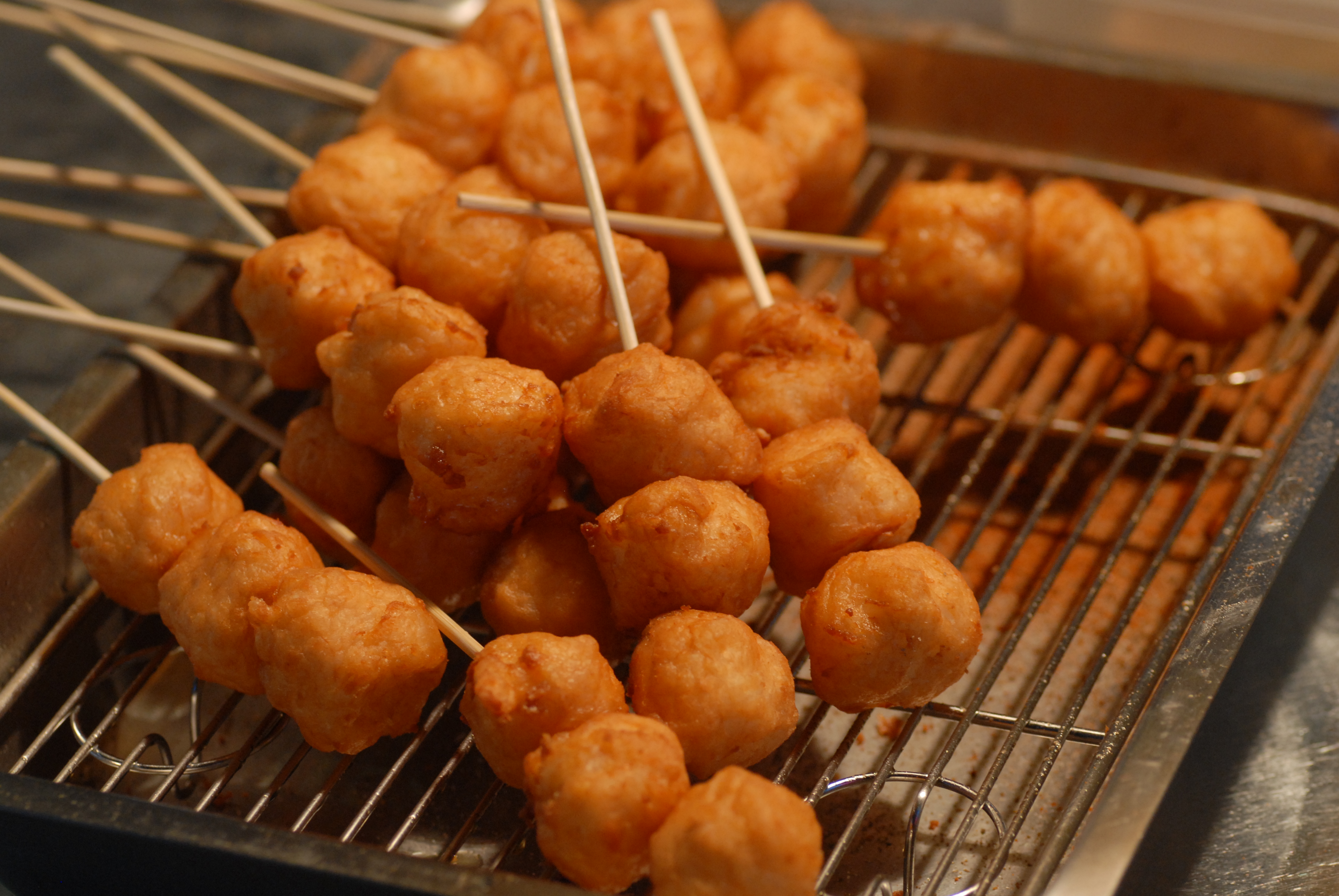
The ornamental gate, or paifang, that marks the entrance to Snake Alley still stands, lit up in neon after dark like a promise of something lurid inside. The reality beyond it is considerably calmer. Food stalls serve oyster vermicelli, Taiwanese tempura, and the traditional snacks that draw neighborhood regulars rather than thrill-seekers. The market sits 500 meters northwest of Longshan Temple Metro station, close enough to the temple that many visitors combine the two -- spiritual devotion followed by secular appetite, a sequence that Wanhua has been offering for nearly three centuries. The crowds are thinner than at Shilin, the atmosphere more local, and the food is cooked by people who have been working these stalls long enough to remember when the alley lived up to its name.
From the Air
Coordinates: 25.039N, 121.499E. Located in the Wanhua District of western Taipei, near the historic Lungshan Temple visible as a traditional Chinese temple complex. The night market occupies two blocks of Huaxi Street, identifiable at night by its concentrated lighting and the illuminated paifang entrance gate. Nearby airport: RCSS (Taipei Songshan Airport, ~5 km northeast). Best viewed at 2,000-3,000 feet.