Spirit Lake Tribe
The Dakota word for the lake is Mni Wakan -- sacred water, holy water, water where the supernatural dwells. The Dakota people believed it was the home of Unktehi, the underwater serpent of their cosmology. When European-American settlers encountered this name, they rendered it as Bad Spirit Lake, then shortened it to Devils Lake. That single act of mistranslation -- sacred becoming sinister, holy becoming hellish -- captures a pattern that would repeat across every dimension of the relationship between the Spirit Lake Tribe and the United States government. The tribe officially reclaimed its name in 1993, shedding the imposed title of Devils Lake Sioux Tribe and adopting Mniwakanhan Oyate in the Dakota language. But the lake on the map still says Devils Lake, and the gap between what the Dakota intended and what America heard remains.
Exile to Sacred Water
The Spirit Lake Tribe is composed of people from the Pabaksa, Sisseton, and Wahpeton bands of the Dakota. Their presence on the southern shores of Devils Lake dates not to ancient habitation but to forced relocation. Following the Dakota War of 1862, the bloodiest conflict between the United States and Native Americans in Minnesota's history, many long lines of hereditary leadership ceased to exist. Several bands of Sisseton and Wahpeton were driven from Minnesota into scattered locations across the Dakotas. A treaty signed in 1867 between the Sisseton-Wahpeton bands and the federal government established two reservations in Dakota Territory: Lake Traverse to the south and Devils Lake in the north. The latter encompassed the southern shore of the lake the Dakota already considered sacred. The reservation today spans primarily Benson and Eddy counties, with smaller portions extending into Ramsey, Wells, and Nelson counties. As of 2014, the tribe had 7,256 enrolled members.
Standing Buffalo and the Old Ways
Before the reservation era, no single person held absolute authority among the Dakota bands. Leadership was earned through the ability to serve, and fraternal societies maintained a council-based government structure where decisions emerged from collective deliberation. Standing Buffalo, born around 1833 near the headwaters of the Minnesota River, embodied this tradition of leadership through principle rather than force. His father was Wichahpihiteton, or Star Face, a Sisseton band leader. During the Dakota War of 1862, Standing Buffalo opposed the fighting -- a position that required its own kind of courage amid the violence engulfing the Dakota homeland. He survived the war but died on June 5, 1871, in a battle with the Gros Ventre and Assiniboine far from the Minnesota River where he was born. His story traces the arc of displacement that defined his generation: born in one homeland, buried near another.
The Water That Keeps Rising
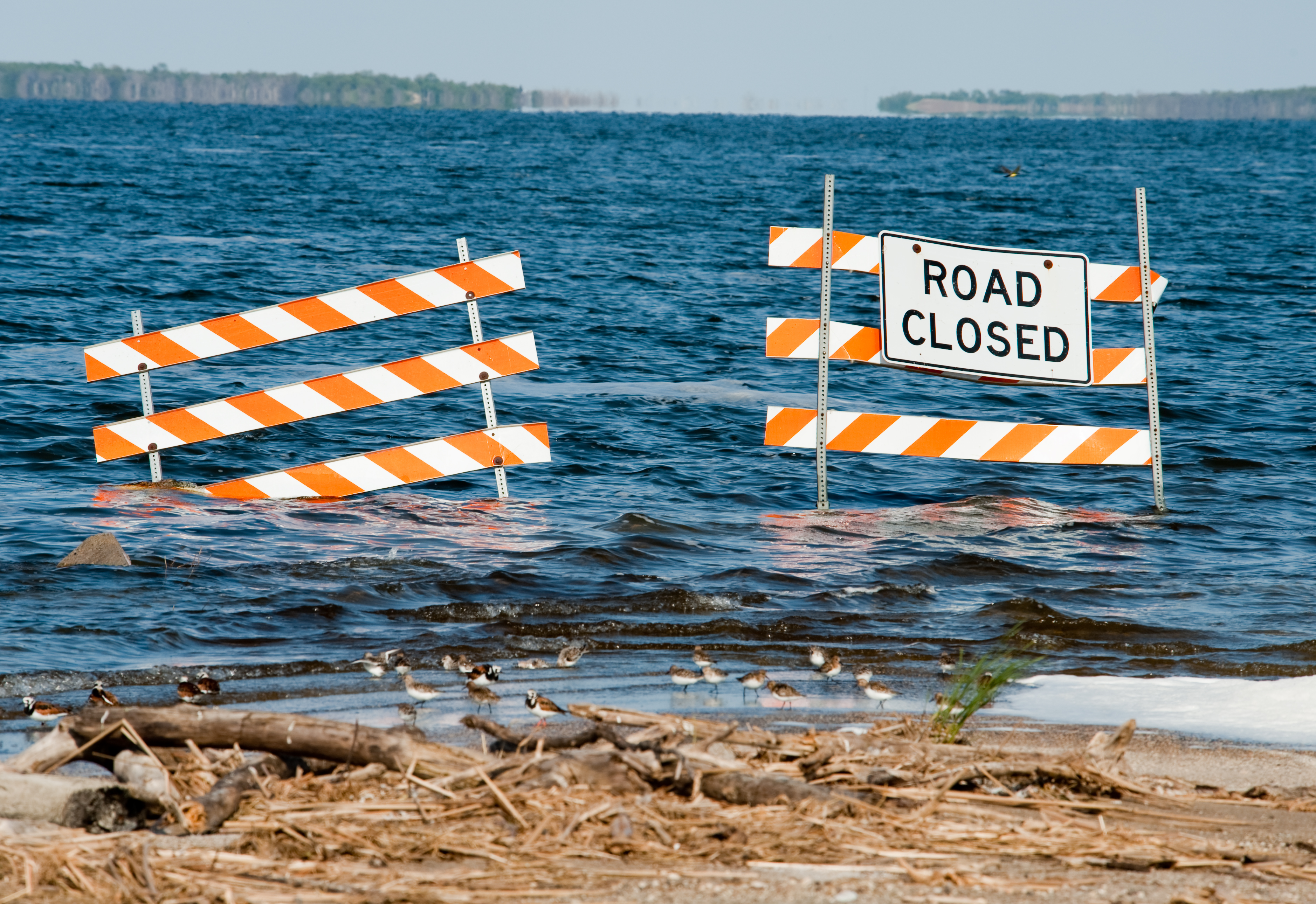
Devils Lake is a closed-basin watershed, meaning it has no natural outlet to the sea. Water flows in but has no way out except evaporation. Since the 1990s, the lake has been rising steadily, flooding homes, agricultural land, and infrastructure on the Spirit Lake Reservation with increasing frequency and severity. The tribe has lost homes, land, and economic opportunities to water that simply has nowhere else to go. The irony is pointed: the Dakota considered this body of water sacred and powerful, and the lake has proven them right in ways they could not have anticipated. The flooding represents one of the most persistent environmental challenges facing any tribal nation in the northern Great Plains, a slow-motion disaster unfolding over decades rather than hours.
Rebuilding from Within
The Spirit Lake Tribe has worked to build economic self-sufficiency on the reservation. The tribe's first major enterprise was the Sioux Manufacturing Corporation, which opened in 1973. By 1989, the tribe had purchased the last remaining shares from the Brunswick Corporation to gain full ownership of the factory. The Spirit Lake Casino and Resort followed, opening its current facility in 1996 after a $7 million investment. After numerous renovations, the resort now includes almost 150 hotel rooms, a 1,000-seat auditorium, a banquet hall, an RV park, a gift shop, and a four-story aquatic center. In 2011, the Spirit Lake Marina and Spirit Lake Grocery store were added to the grounds. The marina hosts a fishing tournament every summer, drawing visitors to the same waters the Dakota have revered for centuries. These enterprises represent more than revenue; they represent a measure of control over the tribe's own economic destiny on land that was itself the product of forced relocation -- building a future on ground that was never the first choice.
From the Air
Located at 47.911°N, 98.884°W on the southern shores of Devils Lake in east-central North Dakota, at approximately 1,450 feet MSL. The Spirit Lake Reservation spans parts of Benson, Eddy, Ramsey, Wells, and Nelson counties. Devils Lake is a large, irregularly shaped body of water easily identifiable from the air and notable for its fluctuating water levels. The Spirit Lake Casino and Resort complex is visible near the lakeshore. Devils Lake Regional Airport (KDVL) is approximately 15 miles to the northeast. The terrain is flat to gently rolling prairie with scattered agricultural fields. Best viewed from 3,000-5,000 feet AGL where the extent of the reservation and the lake's relationship to the surrounding communities are visible.