Spiro Mounds: The Archaeological Crime of the Century
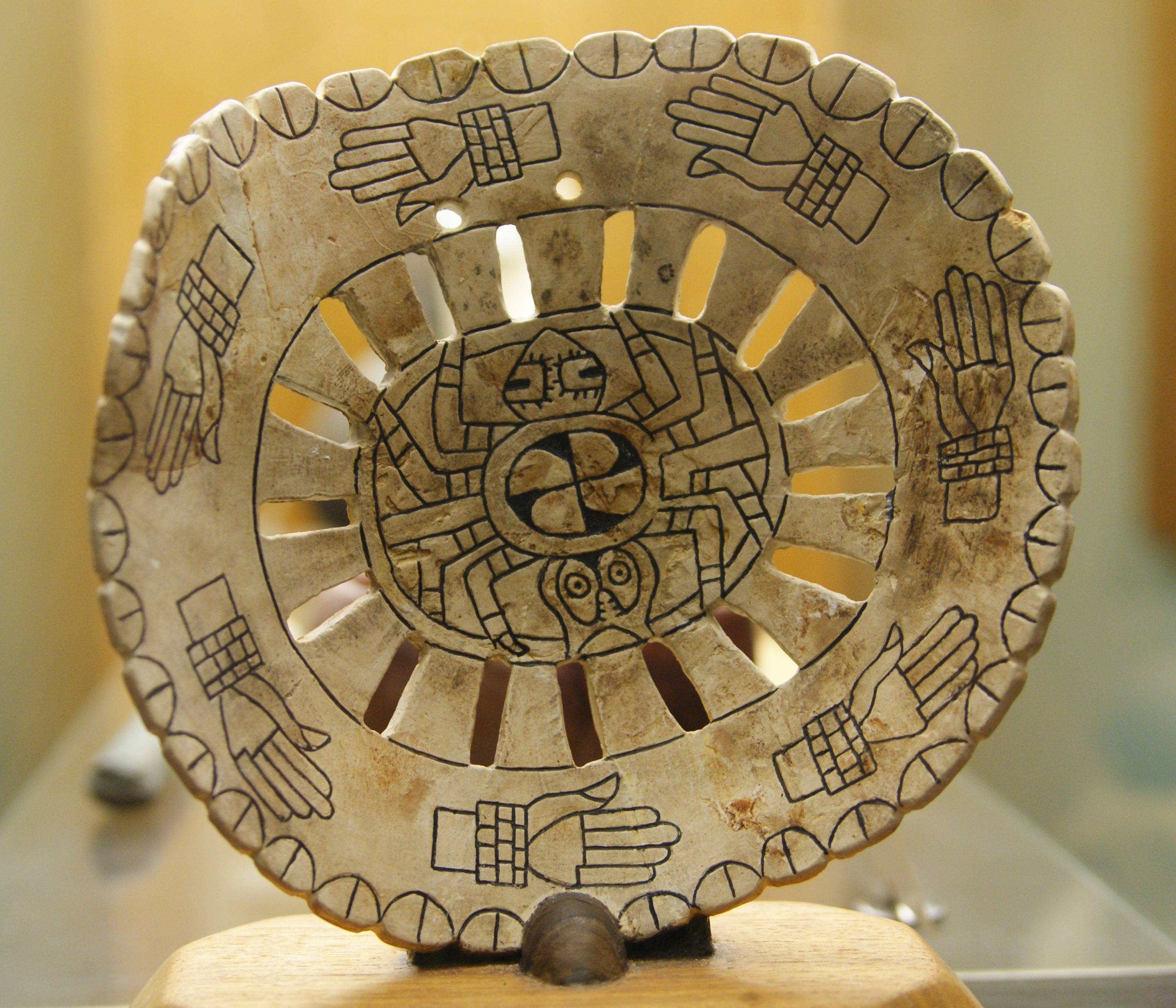
They called it the American King Tut's Tomb. The Craig Mound at Spiro, Oklahoma, contained the largest cache of pre-Columbian artifacts ever found in North America: engraved shell cups, copper plates, wooden masks preserved for 600 years in sealed conditions, textiles, pearls, and objects whose purposes archaeologists still debate. Then, in 1933, commercial looters leased the site and dynamited their way in. For four years they excavated with picks and shovels, selling artifacts to collectors, discarding objects they couldn't sell, destroying the stratigraphic context that would have explained what Spiro was. By the time Oklahoma passed emergency legislation in 1935, the damage was catastrophic. Spiro became archaeology's cautionary tale - the price of unprotected heritage measured in irreplaceable knowledge.
The Civilization
Spiro was a major ceremonial center of the Mississippian culture, flourishing from roughly 800 to 1450 CE. Located at the western edge of the Mississippian world, it served as a trading nexus connecting the Great Plains, the Gulf Coast, and the eastern mound cultures. The site includes twelve mounds and a large plaza. Craig Mound, the largest, was a mortuary complex where elite individuals were buried with spectacular grave goods. The people who built Spiro participated in the Southeastern Ceremonial Complex - a shared religious iconography including winged warriors, weeping eyes, and the forked-eye motif found across the Mississippian world.
The Looting
The Pocola Mining Company wasn't a mining company. Formed by local treasure hunters in 1933, it leased Craig Mound from its landowner and began systematic excavation for profit. They found treasure beyond expectation: the 'Great Mortuary' chamber contained thousands of artifacts, many in organic materials preserved by the mound's airtight conditions. The looters sold what they could - engraved shells went for $2 each to roadside tourists - and discarded what they couldn't. Scholars watched in horror as irreplaceable objects appeared in private collections without provenance. Oklahoma's 1935 antiquities law came too late; the looters dynamited the mound's remaining interior rather than leave it for archaeologists.
The Recovery
The Works Progress Administration excavated Spiro from 1936 to 1941, documenting what the looters left. Archaeologists found fragments, disturbed burials, and the ghosts of context - evidence of what had been there, not the objects themselves. Some looted artifacts eventually reached museums; the majority disappeared into private collections. The Oklahoma Historical Society acquired the site in 1935. Decades of professional archaeology have reconstructed what Spiro was: a cosmopolitan center of trade and ceremony, connected to distant peoples, wealthy beyond any comparable site. But the full story died with the looting - associations, arrangements, and relationships that can never be reconstructed.
The Legacy
Spiro changed American archaeology. The looting provoked national outrage, leading to stronger antiquities protection laws across the country. The site became a case study in archaeological ethics, taught in classrooms worldwide as the cost of treating heritage as commerce. Some Spiro artifacts reside in major museums - the shell gorgets and copper plates are iconic Mississippian art. Others remain in private hands, surfacing occasionally at auction. The site is now an archaeological park, professionally managed, its remaining mounds protected. What was lost is gone forever. What was saved teaches what protection matters.
Visiting Spiro Mounds
Spiro Mounds Archaeological Center is located in Le Flore County, Oklahoma, roughly 10 miles north of Spiro via US-271 and local roads. The site includes a museum with artifacts recovered from professional excavations, interpretive trails across the mound complex, and reconstructed structures. Craig Mound, the looted mortuary, is visible but not accessible. The museum explains both the Mississippian culture and the looting tragedy. The site is small; allow 1-2 hours. Combine with visits to Fort Smith, Arkansas, across the state line, for a full day. The site is managed by the Oklahoma Historical Society; check hours before visiting.
From the Air
Located at 35.24°N, 94.51°W in eastern Oklahoma's Arkansas River valley, roughly 10 miles from the Arkansas border. From altitude, the mound complex appears as subtle earthen rises in the floodplain - twelve mounds arranged around a plaza, Craig Mound the largest despite its violated interior. The site is small, easily missed from altitude. The surrounding landscape is river valley agricultural land, with the Ouachita Mountains rising to the south. The region's strategic location - controlling river traffic between plains and eastern woodlands - explains why Spiro became important. What the site contained, the looters sold. What it meant, the dynamite destroyed.