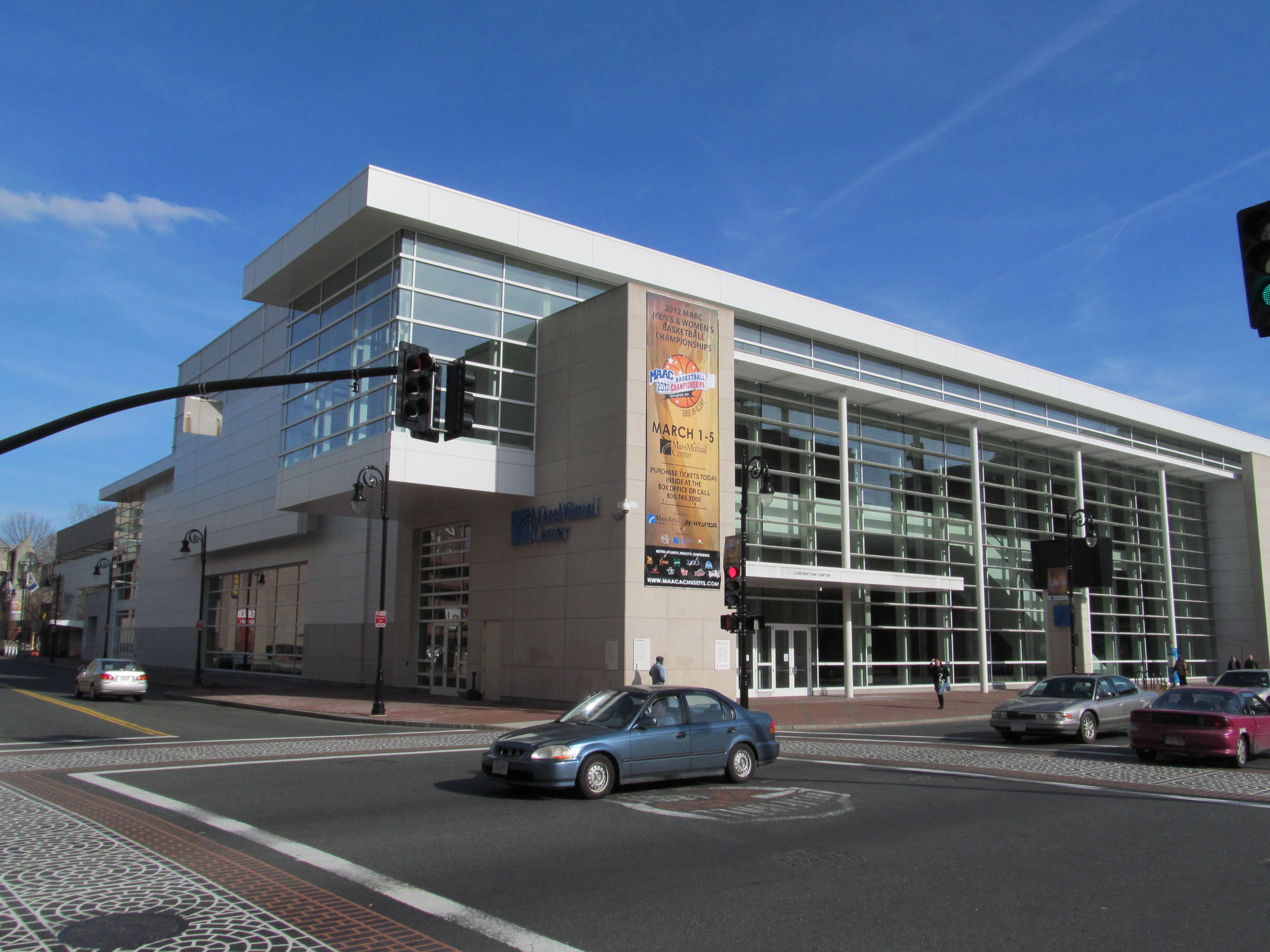
Springfield: The City Where Basketball Was Invented
Springfield, Massachusetts, invented basketball - James Naismith hung a peach basket in a YMCA gymnasium in 1891, trying to create an indoor winter game for restless students. The sport spread worldwide; Springfield struggles to capitalize on the heritage. The city of 155,000 was also an armory town - the Springfield Armory produced rifles from the Revolution through Vietnam, the M1 Garand made here helping win World War II. The armory closed in 1968; the factories closed; the population dropped from 175,000 to 155,000. Springfield is western Massachusetts's largest city and its most troubled, the poverty rates high, the downtown struggling, the basketball heritage the one thing everyone knows.
The Basketball
James Naismith was a physical education instructor at the International YMCA Training School in Springfield, tasked with inventing an indoor game for winter. In December 1891, he nailed a peach basket to an elevated track and wrote 13 rules. The game spread through YMCA networks worldwide; within decades, basketball was a global sport. The Naismith Memorial Basketball Hall of Fame moved to Springfield in 1968, the domed building on the Connecticut River bank. The Hall of Fame draws 200,000 visitors annually, the enshrinement ceremony each September a basketball event. Springfield invented the game; whether it benefits from the invention is less clear.
The Armory
The Springfield Armory was America's first federal armory, established in 1777 to supply the Continental Army. For nearly 200 years, Springfield made rifles - the Springfield Model 1861 that Union soldiers carried, the M1 Garand that GIs carried in World War II, the M14 that Vietnam-era troops carried. The armory pioneered interchangeable parts manufacturing, the system that became the American method. The facility closed in 1968, the victim of consolidation and politics. The armory is now a national historic site; the weapons-making heritage is museum rather than employment.
The Decline
Springfield's decline follows the familiar pattern: the manufacturing left, the middle class followed, the poverty concentrated. The downtown that once thrived empties at night; the crime statistics trouble; the school system struggles. The city government has faced fiscal crisis repeatedly. The population is majority-minority now - Latino, Black, Asian communities replacing the Italian and Irish who built the factories. The challenges are real and persistent; the solutions are elusive. Springfield is what happens when industrial cities lose their industries and don't find replacements.
The Recovery
Springfield's recovery attempts are visible if not yet successful. MGM Springfield, the casino that opened in 2018, promised downtown revival; the results are mixed. The healthcare sector (Baystate Medical Center) provides stable employment. The colleges (Springfield College, Western New England University, American International College) provide presence if not transformation. The Innovation District tries to attract startups. Whether Springfield can leverage the basketball heritage, the highway connections, and the affordable real estate into something better remains the question. The recovery is aspirational but not yet achieved.
Visiting Springfield
Springfield is served by Bradley International Airport (BDL) in Connecticut, 20 miles south. The Naismith Memorial Basketball Hall of Fame is essential for basketball fans - the exhibits are comprehensive, the enshrinement ceremony each September is the event. Springfield Armory National Historic Site tells the weapons-making story. The Dr. Seuss National Memorial Sculpture Garden honors Springfield native Theodor Geisel. The Quadrangle museum complex offers art, science, and history. MGM Springfield provides casino entertainment. The weather is New England: cold winters, warm summers. Springfield rewards visitors with basketball interest.
From the Air
Located at 42.10°N, 72.59°W on the Connecticut River in western Massachusetts. From altitude, Springfield appears as urban development along the river - the Basketball Hall of Fame's distinctive dome visible, the Connecticut River defining the western edge. What appears from altitude as western Massachusetts's largest city is where basketball was invented - where James Naismith hung the peach basket, where the armory made rifles for a nation, and where industrial decline followed the inventions that should have made it prosperous.