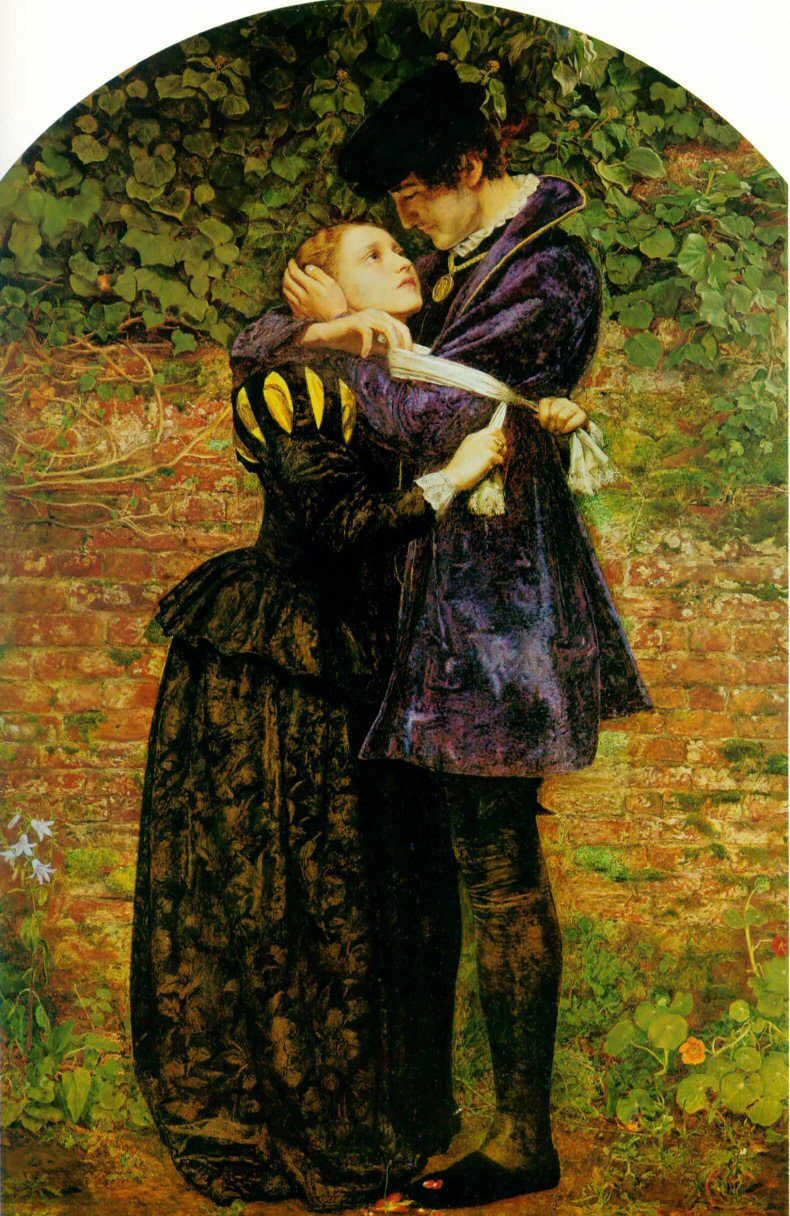
St. Bartholomew's Day Massacre: The Wedding That Became a Bloodbath
The wedding was supposed to heal France. On August 18, 1572, the Catholic princess Margaret of Valois married the Protestant Henry of Navarre at Notre-Dame, a union designed by Catherine de' Medici to end a decade of religious civil war. The wealthiest and most prominent Huguenots in France traveled to Paris for the celebration. Six days later, most of them were dead. What began as targeted political assassinations on the night of August 23 exploded into days of mob violence that left between 5,000 and 30,000 Protestants dead across France -- a catastrophe that would poison relations between Catholics and Protestants for centuries.
A City Primed to Explode
Paris in August 1572 was a powder keg. The city was violently anti-Huguenot, its Catholic population inflamed by preachers who considered the royal wedding an abomination. Harvests had been poor. Taxes had risen. The luxury of the wedding celebrations rubbed salt in ordinary Parisians' wounds. A particular flashpoint was a wooden cross erected on the demolished house of a Huguenot executed in 1569. Under the terms of a peace treaty, the cross had been removed the previous December, sparking riots that killed about fifty people. Meanwhile, the French court itself was fracturing. The Guise family, champions of militant Catholicism, jockeyed for power against the Montmorency clan. Admiral Gaspard de Coligny, the Huguenots' military leader, had been readmitted to the king's council -- a development that outraged Catholic hardliners.
The Spark
On August 22, four days after the wedding, an assassin shot Coligny from an upstairs window as he walked back to his lodgings from the Louvre. The admiral survived, seriously wounded. King Charles IX visited Coligny's sickbed and promised to find the culprits. But Protestants burst into the queen mother's dinner demanding justice, some speaking in threatening terms. Fear of Huguenot reprisals grew. Coligny's son-in-law commanded a 4,000-strong army camped just outside the city. Whether from genuine alarm or calculated opportunism, a decision was taken to eliminate the Huguenot leadership. The municipal authorities were summoned and ordered to shut the city gates and arm the citizenry. The king's Swiss mercenaries received a list of targets.
The Night of Blood
A signal -- probably the bells of Saint-Germain l'Auxerrois ringing for matins between midnight and dawn on August 24 -- launched the killing. A group led by the Duke of Guise dragged Admiral Coligny from his bed and threw his body from a window. The Swiss mercenaries expelled Protestant nobles from the Louvre and cut them down in the streets. Then the careful political assassination spiraled beyond anyone's control. Common Parisians began hunting Protestants throughout the city, including women and children. Chains blocked streets so the hunted could not escape their houses. Bodies were collected in carts and thrown into the Seine. One contemporary chronicler noted that Coligny himself had faced death with striking composure. One of his murderers remarked that "he never saw anyone less afraid in so great a peril, nor die more steadfastly."
The Widening Gyre
The Paris massacres lasted three days despite the king's attempts to stop them. On August 26, Charles IX went before the Parlement and claimed he had ordered the killings to thwart a Huguenot plot -- a face-saving lie that became the official version. Over the following weeks, similar massacres erupted in twelve other French cities: Toulouse, Bordeaux, Lyon, Rouen, Orleans, and others. In some cities, mobs led the killing while authorities tried to intervene. In others, small groups of soldiers rounded up Protestants with little popular involvement. The loss to Huguenot communities extended far beyond the dead. In Rouen, where several hundred were killed, the Protestant population shrank from 16,500 to fewer than 3,000 through conversions and flight. The two most prominent Huguenots, Henry of Navarre and his cousin the Prince of Conde, survived only by pledging to convert to Catholicism. Both would eventually escape Paris and renounce those forced conversions.
Echoes That Never Faded
Pope Gregory XIII ordered a Te Deum of thanksgiving and struck a commemorative medal depicting an angel with a sword before fallen Protestants. Philip II of Spain reportedly laughed -- "for almost the only time on record." But the Holy Roman Emperor Maximilian II called it a "shameful bloodbath," and even Tsar Ivan the Terrible expressed horror. The massacre's deepest legacy was ideological. Before 1572, Huguenot political thought had been broadly monarchist. Afterward, anti-monarchical ideas found widespread support, and a new generation of "Monarchomach" writers argued that tyrannical kings could be deposed. The massacre also cemented the popular image of Machiavellianism -- Innocent Gentillet's influential 1576 treatise blamed Italian courtiers and Machiavelli's ideas for the bloodshed. In 1997, Pope John Paul II acknowledged the tragedy during World Youth Day in Paris, stating: "Christians did things which the Gospel condemns."
From the Air
The St. Bartholomew's Day Massacre centered on the Ile de la Cite and the Louvre area in Paris (48.857N, 2.352E). Key sites include the church of Saint-Germain l'Auxerrois (where the signal bells rang), the Louvre (where Protestant nobles were expelled), and Admiral Coligny's residence in Rue de Bethisy. Paris Charles de Gaulle (LFPG) is 25km northeast; Paris Orly (LFPO) is 14km south. The sites cluster along the Seine in central Paris.