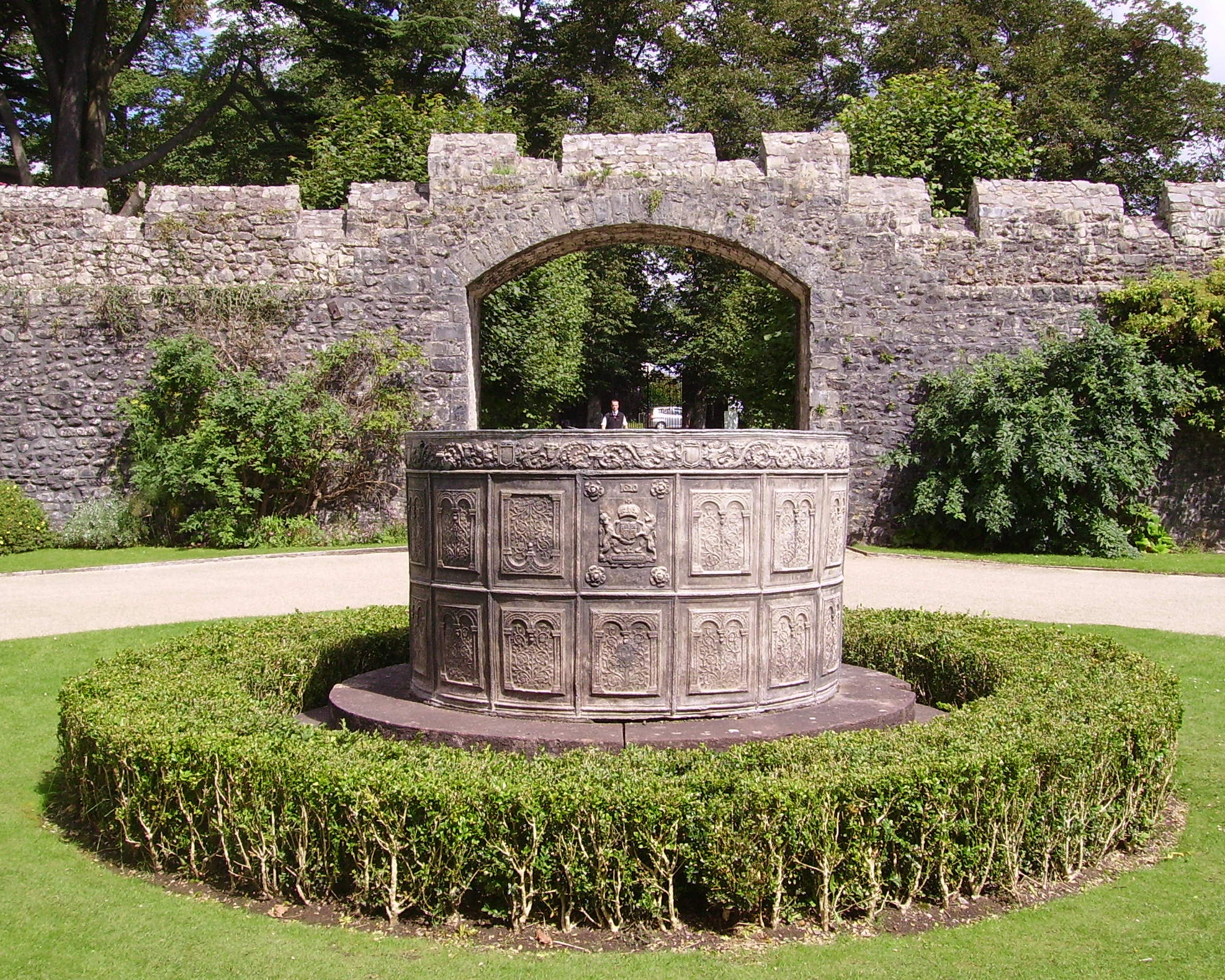
St Fagans National Museum of History
Walk into a row of ironworkers' cottages at St Fagans and you walk through two centuries. The first house is furnished as it would have been in 1805: a single room, a fireplace, an iron pot. The last is 1985: wallpaper, a television set, a plastic washing-up bowl. These six terraced houses were dismantled stone by stone from Rhyd-y-car near Merthyr Tydfil and rebuilt on the grounds of an Elizabethan manor house outside Cardiff. They are one exhibit among more than forty in a museum that has spent the better part of eighty years rescuing the architecture of Wales from demolition and decay.
Iorwerth Peate's Impossible Ambition
The museum exists because of one man's stubborn vision. Iorwerth Peate, a scholar and poet, convinced the Earl of Plymouth to donate his castle and grounds to the nation in 1946, then set about creating an outdoor museum modelled on Skansen in Stockholm. But Peate faced a problem his Swedish counterparts did not. Skansen's buildings were timber-framed, easily taken apart and reassembled like flat-pack furniture. Welsh vernacular architecture is made of stone: thick-walled farmhouses, slate-roofed chapels, masonry cottages built to outlast centuries. Dismantling and rebuilding them required an ambition that bordered on the reckless. The museum opened to the public in 1948 as the Welsh Folk Museum, and buildings have been arriving ever since.
A Country Reassembled
The collection reads like a census of Welsh life across the ages. There are Iron Age roundhouses reconstructed from archaeological evidence found on Anglesey, their thatched roofs dark with turf smoke. A medieval prince's court, Llys Llywelyn, was built from the footprint of Llys Rhosyr in Gwynedd, opened in 2018 so that schoolchildren could sleep overnight in a thirteenth-century hall. A tollbooth from the days when Rebecca Rioters smashed turnpike gates stands near a Victorian schoolhouse, its slate desks worn smooth. A cockpit reminds visitors that not all traditions deserve nostalgia. The Oakdale Workmen's Institute, rescued from a mining village, speaks to the fierce self-education of communities that built libraries and debating halls from their own wages.
The Vulcan Comes Home
In May 2024, the historic Vulcan public house completed its journey from Newtown in Cardiff to the museum grounds. The pub, a fixture of its neighbourhood since the nineteenth century, had been threatened with demolition as the city redeveloped around it. Its relocation was a years-long project that involved cataloguing every brick, every tile, every pane of etched glass. At St Fagans, the Vulcan joins a growing collection of buildings that represent not just rural Wales but the industrial and urban life that succeeded it: the workers' cottages from Merthyr Tydfil, a post-war prefabricated bungalow, a whole Workmen's Institute. The museum was never meant to be a pastoral fantasy. It tells the whole story.
Museum of the Year
A six-year, 30-million-pound redevelopment was completed in 2018, funded by the Welsh Government and the National Lottery. The project added three new galleries, improved the Iron Age farmstead and medieval court, and created the Gweithdy, a sustainable workshop building where traditional craftspeople demonstrate their skills. The following year, St Fagans was named the UK's Museum of the Year by the Art Fund, which praised its 'exceptional imagination, innovation and achievement.' In 2011, Which? magazine had already named it Britain's favourite visitor attraction. For a museum built on the idea that a nation's identity lives in its everyday buildings, the recognition felt apt. Grand architecture impresses. But a row of terraced houses, furnished with the ordinary objects of ordinary lives, can move you in ways that marble never will.
From the Air
Located at 51.49N, 3.27W, approximately 4 miles west of Cardiff city centre in the village of St Fagans. The museum grounds and Elizabethan castle are visible amid green parkland along the River Ely. Cardiff Airport (EGFF) lies 8 miles to the southwest. Best viewed at 2,000-3,000 feet.