St. Francis Raid
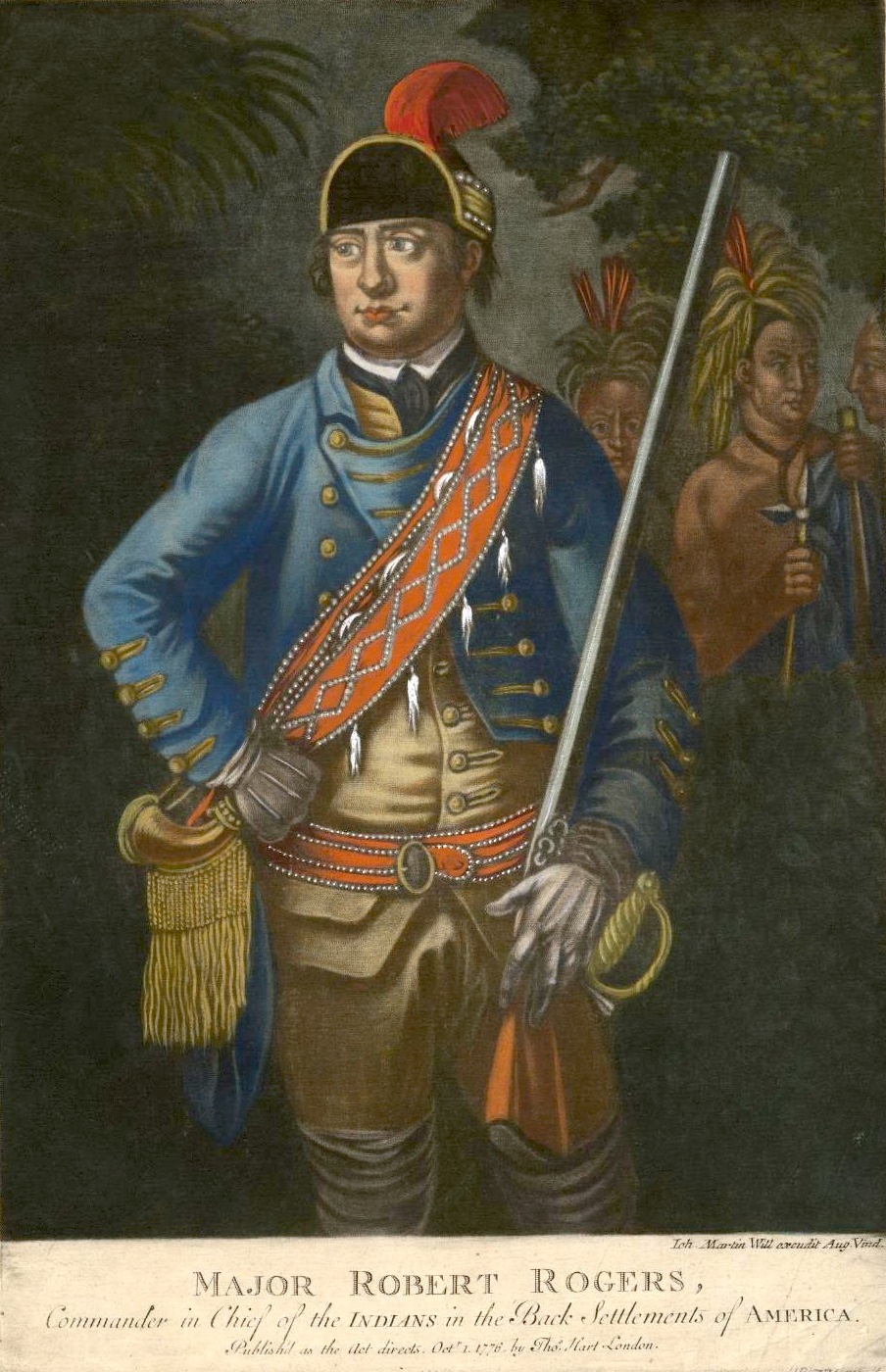
On the night of October 3, 1759, a gaunt figure in stolen Indigenous dress slipped into the Abenaki village of St. Francis and watched its inhabitants dance by firelight. Robert Rogers counted the houses, noted the exits, and crept back to his 142 exhausted men hiding along the riverbank. Their rations were gone. Their boats had been captured by the French days earlier. Behind them lay weeks of slogging through chest-deep swamps; ahead lay a dawn attack that would become one of the most infamous episodes of the French and Indian War. The village of Odanak, known to the English colonists as St. Francis, sat near the southern shore of the Saint Lawrence River in New France, and for decades it had been the staging ground for raids that terrorized settlements as far south as Massachusetts. Rogers himself had been a teenager in New Hampshire when Abenaki warriors struck in 1746. Now he had come to settle the account.
A Mission Born from Capture
The raid grew out of a chain of failed diplomacy and mounting frustration. In the summer of 1759, General Jeffery Amherst was riding high on British victories at Fort Ticonderoga and Fort Niagara, while Quebec lay under siege. Needing intelligence, Amherst sent Captain Quinton Kennedy with a small party through Abenaki territory carrying a wampum belt and offers of friendship. On August 24, the Abenakis surrounded Kennedy's group and turned them over to General Montcalm in Quebec. Reports soon filtered back to British camps that the officers had been mistreated, possibly tortured. Amherst's fury crystallized into orders: he would send Rogers and his Rangers to exact revenge. His written instructions on September 13 told Rogers to remember the barbarities committed by "the enemy's Indian scoundrels," but added a caveat that would prove impossible to enforce: "no women or children are killed or hurt."
Through the Swamps
Rogers departed Fort Crown Point on the night of September 13 with 220 men packed into 17 whaleboats. Accidents and illness whittled the force down as they rowed north through French-patrolled waters. By September 23, Rogers had hidden his boats at Missisquoi Bay and struck out overland. Within two days, his Indigenous scouts brought devastating news: the French had found and seized the boats. The escape route was gone. Rogers dispatched Lieutenant McMullen on a grueling overland trek back to Crown Point to arrange a food cache at the junction of the Connecticut and Ammonoosuc Rivers, then pushed his remaining men east through terrain so waterlogged they were rarely dry for an entire week. The swamps that nearly destroyed them also saved them: the French pursuit lost their trail entirely. By October 3, the 142 survivors stumbled onto dry land along the St. Francis River, their rations completely exhausted.
Five O'Clock Dawn
The village of St. Francis was not a simple native encampment. It held European-style houses arranged around a church, and its inhabitants were a diverse community: Abenakis, members of other tribes displaced from New England, and white settlers who had adopted native ways. On the night of October 3, many of the men were away, called to search for the mysterious British force rumored to be in the area. According to Abenaki oral tradition, a stranger identifying himself as a Mahican entered the village that evening and warned of the coming attack, and a number of inhabitants withdrew. At 3:00 am on October 4, Rogers positioned his men around the village, placing his best marksmen to cover the escape routes. At roughly 5:00 am, they struck. The attack was swift and savage. Rangers broke down doors and killed inhabitants where they slept. Those who fled were shot by sentries ringing the village. Some reached canoes and paddled into the river, only to be chased down and drowned, children among them. Amherst's order to spare women and children was lost in the violence. After sunrise, Rogers burned the village, and as houses collapsed, it became clear that some had hidden in attic spaces that became death traps. The church was ransacked and torched. Rogers reported killing up to 200 people; French accounts placed the dead closer to 30, mainly women and children.
The Long Walk Home
Rogers knew French reinforcements were within a day's march. His only option was to flee south through uncharted wilderness to the settlement of Number Four, roughly 150 miles of trackless forest and mountains. His men gathered stored corn from the village and set off. Near present-day Sherbrooke, as rations failed again, Rogers split his force into small groups of 10 to 20 men to forage more effectively, but this also made them vulnerable to pursuers. French forces under Captain Jean-Daniel Dumas gave chase from Trois-Rivieres. Several small companies were hunted down. The survivors ate bark, roots, mushrooms, and gnawed flesh from beaver skins. Lieutenant George Campbell later recounted how his party came upon scalped remains trapped in river logs and devoured them raw, too desperate to wait for fire. After nine days, Rogers reached the agreed rendezvous on October 20 to find a burning campfire but no provisions. Lieutenant Stevens, sent by Amherst to cache supplies, had given up and left. Rogers pushed on with three men by raft down the Connecticut River, reaching Number Four on October 31, barely able to walk. About one-third of the expedition's members never returned.
A Contested Legacy
When news of the raid reached the Thirteen Colonies, Rogers was celebrated as a hero. The New Hampshire Gazette devoted extensive coverage to its native son's exploits. General Amherst wrote to Rogers with full approval: "every step you inform me you had taken has been very well Judged and Deserves my full approbation." But the raid's legacy is deeply contested. The village of St. Francis, known today as Odanak, was eventually rebuilt, and the Abenaki community endures. The event stands as a pivotal moment in the French and Indian War and as a sobering example of frontier warfare's indiscriminate brutality. Today, the site along the Saint Lawrence remains a place of memory for the Abenaki people, while Rogers' name persists in military lore as the father of American ranger warfare, his legacy forever tangled with the violence of that October dawn.
From the Air
Coordinates: 46.07°N, 72.83°W. The site of the former Abenaki village of St. Francis (now Odanak) lies near the south shore of the Saint Lawrence River in Quebec. Look for the confluence of the Saint-Francois River with the Saint Lawrence. Recommended viewing altitude: 3,000-5,000 feet AGL. Nearest airports: CYRQ (Trois-Rivieres, approx. 20 nm northeast), CYHU (Saint-Hubert, approx. 55 nm southwest). The Saint Lawrence River serves as a major visual landmark. Clear weather provides good visibility of the river valley and surrounding lowlands.