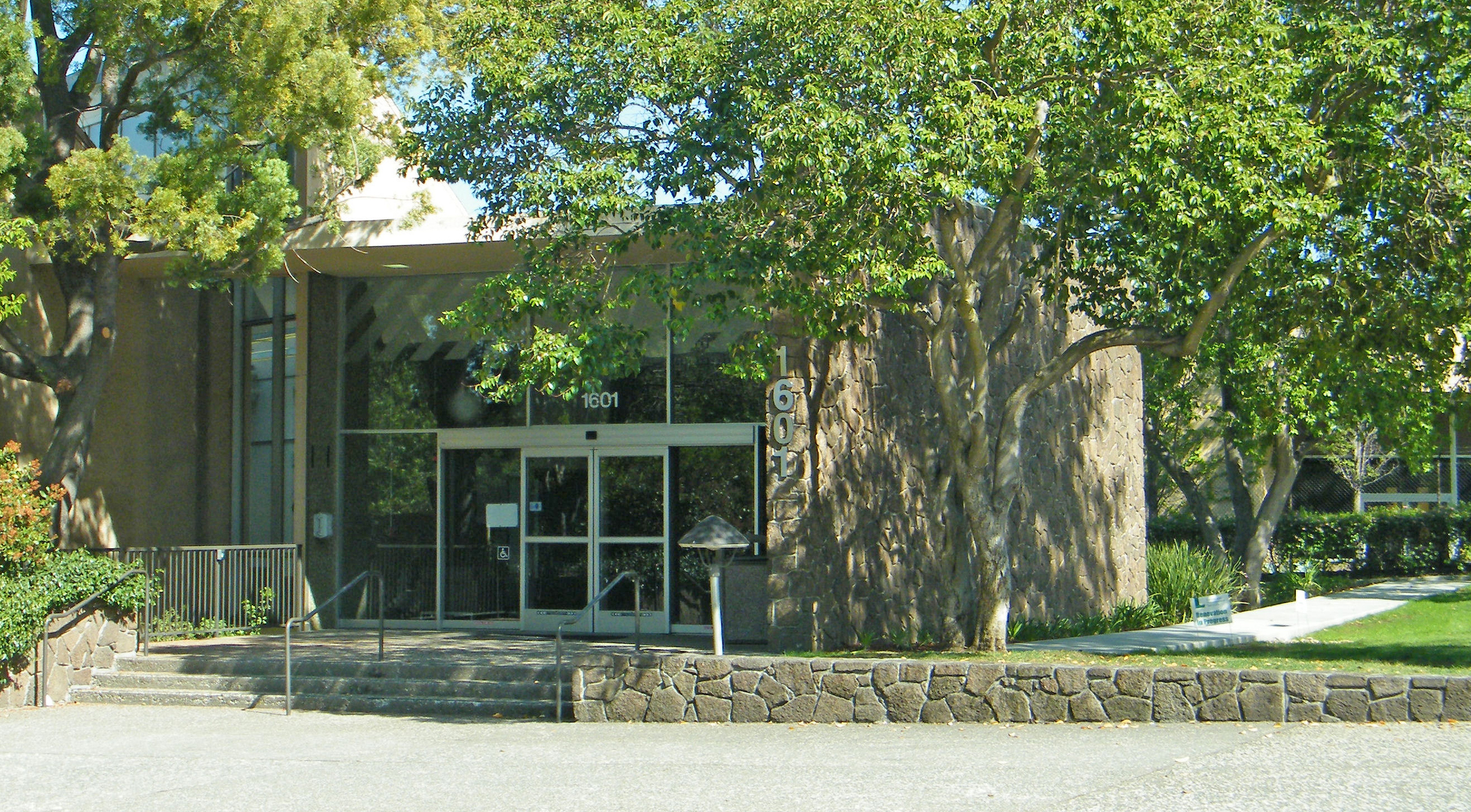
Stanford Research Park
After World War II, Stanford University was broke. The institution owned 8,180 acres of Leland Stanford's original land grant, but the founding charter prohibited selling it. In 1951, Frederick Terman found a workaround: lease the land to technology companies. Stanford Industrial Park -- later renamed Stanford Research Park -- was the world's first university research park, and its creation was as much an act of financial survival as intellectual vision.
The First Tenants
Terman was meticulous about who got in. Stanford screened potential tenants rigorously, accepting only high-technology companies that aligned with the university's research mission. Varian Associates, founded by Stanford alumni to build military radar components, moved in as the first tenant in 1953. Hewlett-Packard established its world headquarters in the park by 1956. The arrangement was symbiotic: companies gained proximity to Stanford's research talent and prestige, and the university gained rental income and employment opportunities for its graduates. There was no outside developer involved. Stanford controlled every aspect of the park's growth, from tenant selection to building design.
The Epicenter
The park grew steadily -- 40 tenants by 1960, 100 by 1985, over 150 by 2018, housed in 140 buildings. The roster reads like a history of American technology. Steve Jobs ran NeXT Computer here. Xerox PARC, where the graphical user interface, Ethernet, and laser printing were developed, operated in the park. Facebook occupied space before moving to Menlo Park. Current tenants include Rivian, HP, Tesla, SAP, and Broadcom. Fast Company called it "an engine for Silicon Valley." Others have called it "the epicenter." Both descriptions understate its influence: the park did not just participate in Silicon Valley's growth but modeled the university-industry partnership that every subsequent tech hub has tried to replicate.
Growing Pains in Paradise
Success created problems. By 2016, traffic congestion from employee commutes had become severe enough that Stanford and twelve of the park's largest companies formed a Transportation Management Association to address it. The park lacks a nearby Caltrain station, forcing most workers to drive. In 2014, the Palo Alto City Council approved a 180-unit affordable housing development within the park, which opened in June 2017 -- a rare acknowledgment that the people who serve the technology economy also need somewhere to live. The park's evolution mirrors Silicon Valley's broader tension between innovation and livability, between the world-changing ambitions of its tenants and the mundane realities of parking, housing, and commute times.
From the Air
Stanford Research Park is at 37.407°N, 122.152°W, southwest of the main Stanford campus along Page Mill Road. The park's low-rise office buildings are visible as a distinct zone between the campus and suburban Palo Alto. Nearest airports: Palo Alto (KPAO) 2 nm northeast, San Jose International (KSJC) 10 nm southeast.