Statue of Liberty: The Lady Who Welcomed the World
She faces southeast, toward the ocean that brought millions to America. The Statue of Liberty was a French gift, designed by Frédéric Bartholdi and engineered by Gustave Eiffel, dedicated in 1886 to commemorate the centennial of American independence and the abolition of slavery. But the statue's meaning transformed when Ellis Island opened in 1892 and immigrants began arriving in her shadow. Emma Lazarus's poem - 'Give me your tired, your poor, your huddled masses yearning to breathe free' - crystallized what the statue became: the symbol of American promise to the world's desperate. The promise hasn't always been kept. But Liberty still stands in the harbor, facing the ocean, holding her torch.
The Gift
The statue originated with French intellectuals who admired American democracy and wanted to commemorate its centennial. Édouard de Laboulaye conceived the project; Frédéric Auguste Bartholdi designed the figure; Gustave Eiffel engineered the iron frame that supports the copper skin. France paid for the statue; America paid for the pedestal. Both efforts required fundraising campaigns; Joseph Pulitzer's newspaper drive raised the final pedestal funds from small donations. The statue arrived in 214 crates, was assembled on Bedloe's Island (now Liberty Island), and was dedicated by President Cleveland on October 28, 1886. The statue's full name - Liberty Enlightening the World - suggests its original purpose: celebrating the concept of freedom, not welcoming immigrants.
The Immigration
Ellis Island opened in 1892, processing immigrants who arrived in steerage - the poor who couldn't afford cabin passage. For forty years, millions passed through: Italians, Jews, Irish, Poles, Greeks, all the nationalities that would become American. The Statue of Liberty was the first thing they saw. The association became inseparable. Emma Lazarus's poem, written to raise funds for the pedestal, wasn't mounted on the statue until 1903 - but it captured what the statue had become. 'Mother of Exiles.' 'I lift my lamp beside the golden door.' The immigration-restriction acts of the 1920s closed that door; Ellis Island processed deportees more than arrivals by its 1954 closure. But the symbol persisted.
The Symbol
The Statue of Liberty means whatever Americans need it to mean. For immigrants, she was welcome. For nativists, she represented the nation's limits. For civil rights activists, she was promise unfulfilled. For dissidents worldwide, she symbolizes American ideals that America often betrays. The statue has been used to sell war bonds, to oppose communism, to support immigration reform and oppose it. She appears on currency, in advertisements, in protests. Her image is so ubiquitous that its power seems diminished - but standing in her presence, watching her face across the harbor, the power returns. She represents something people want to believe America is, regardless of what America actually does.
The Visit
Visiting requires planning. Access to Liberty Island is by ferry from Battery Park (Manhattan) or Liberty State Park (New Jersey); reservations are essential, especially for pedestal or crown access. The crown climb - 354 steps through the statue's interior - offers views from her windows but requires booking far in advance. The pedestal museum interprets the statue's history and construction. The observation deck provides harbor views without the climb. Ellis Island, accessible by the same ferry, deserves equal time - the immigrant processing center is now a museum that connects personal family histories to national narrative. The experience of crossing the harbor, approaching the statue, understanding scale and symbol together - this is American mythology made physical.
Visiting Statue of Liberty
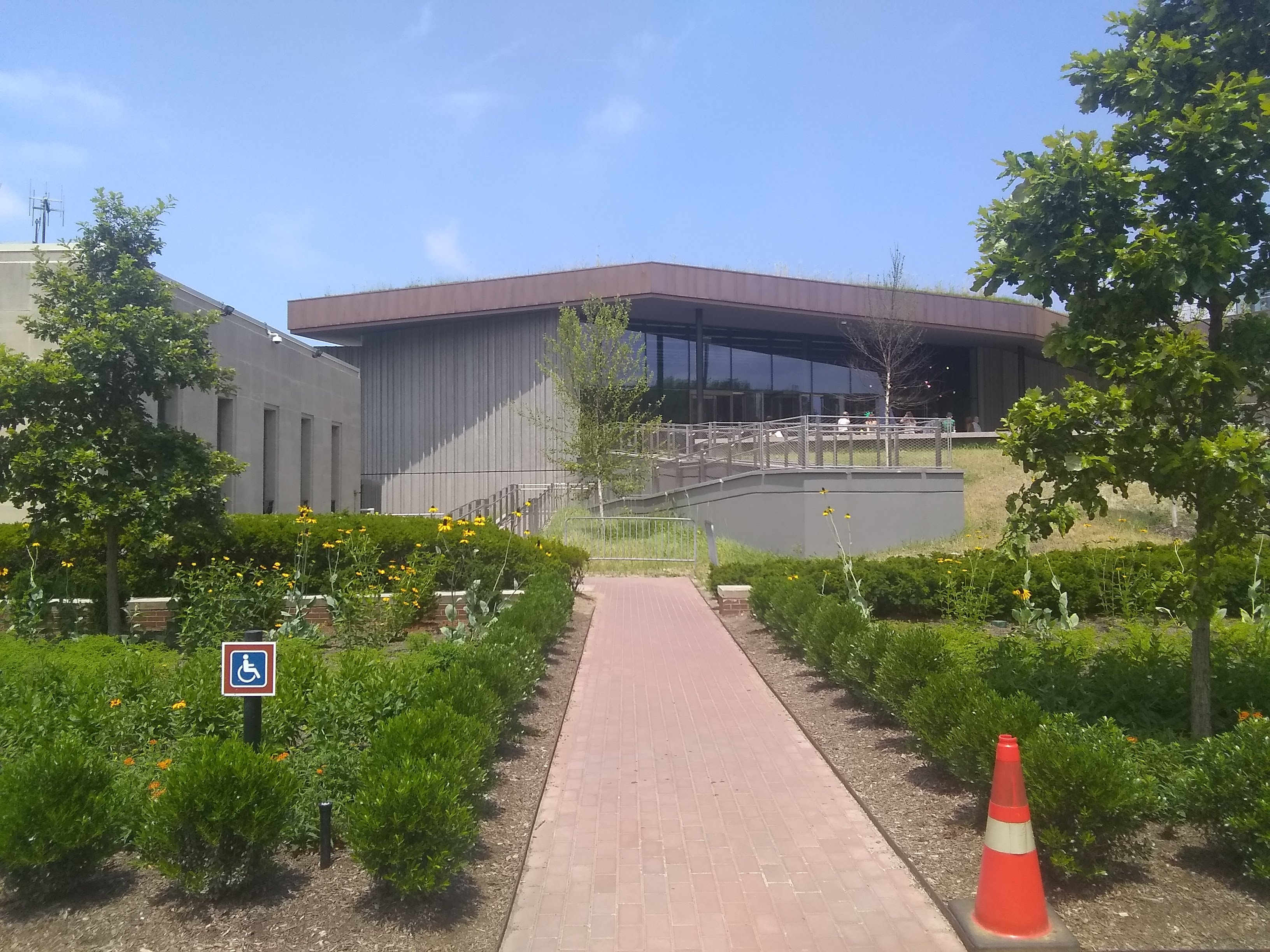
Statue of Liberty National Monument is located in New York Harbor on Liberty Island. Ferry service operates from Battery Park (Manhattan) and Liberty State Park (Jersey City). Reserve tickets well in advance through recreation.gov, especially for pedestal or crown access. Security screening is similar to airport procedures. The grounds are free to walk; monument access requires reservations. Ellis Island is included in the ferry loop; plan time for both. The Statue of Liberty Museum on Liberty Island opened in 2019 with the original torch and interactive exhibits. Weather affects ferry service; check conditions. Allow 4-5 hours for both islands. The experience of approaching Liberty by water, as immigrants did, provides context that photographs cannot capture.
From the Air
Located at 40.69°N, 74.04°W on Liberty Island in New York Harbor. From altitude, the Statue of Liberty appears as a small figure on a small island, dwarfed by the Manhattan skyline to the north and the Jersey City waterfront to the west. The statue's green copper is visible; her torch catches sunlight. Ellis Island lies nearby to the north. The harbor traffic - ferries, cargo ships, pleasure craft - moves around her. The verrazano-Narrows Bridge spans the harbor entrance to the south. From altitude, the statue seems modest against the scale of the city she faces. But standing at street level in lower Manhattan, or approaching by ferry, her scale and symbolism dominate. What appears small from altitude has loomed large in millions of lives.