Stonehenge: The Mystery That Won't Die
On the Salisbury Plain in southern England, a circle of massive stones has stood for nearly 5,000 years. The builders of Stonehenge transported bluestones weighing up to 4 tons from Wales, 150 miles away, and raised sarsen stones weighing 25 tons each into precisely aligned configurations. They built it over centuries, through multiple phases, with tools of stone and bone. And then they left no written record of why. Stonehenge has been attributed to druids, aliens, giants, Merlin the wizard, and every ancient civilization imaginable. The truth is simpler and stranger: Neolithic farmers built one of the most sophisticated monuments on Earth, and we may never fully understand their reasons.
The Stones
Stonehenge consists of two types of stone. The smaller bluestones, some weighing up to 4 tons, came from the Preseli Hills of Wales - 150 miles away. How Neolithic people moved them remains debated: by human labor, by glaciers, or by some lost technique. The larger sarsens, some weighing over 25 tons, came from Marlborough Downs, 25 miles north.
The sarsens were shaped with stone hammers, fitted together with mortise-and-tenon joints like woodwork, and raised into position. The labor required was immense - estimates suggest millions of man-hours over centuries. Whatever Stonehenge meant, it mattered enough to justify extraordinary effort.
The Alignments
Stonehenge is aligned to the solstices. On the summer solstice, the sun rises directly over the Heel Stone and shines into the heart of the monument. On the winter solstice, the sun sets between the uprights of the great trilithon. These alignments are too precise to be accidental.
The monument appears to have functioned as an astronomical observatory - marking the turning points of the year when days begin to lengthen or shorten. Neolithic farmers depended on seasonal cycles. Stonehenge may have been their calendar, their connection to cosmic rhythms they couldn't explain but could observe.
The Builders
Stonehenge was built in phases over about 1,500 years, from roughly 3000 BC to 1500 BC. The earliest phase was a circular ditch and bank. The bluestones were erected around 2500 BC. The massive sarsen circle came last, around 2500-2000 BC.
The builders were Neolithic farmers - people who grew crops, raised livestock, and lived in settled communities. They weren't primitive. They had sophisticated engineering knowledge, social organization capable of massive projects, and spiritual beliefs powerful enough to motivate generations of labor. We know almost nothing about what they believed.
The Theories
Theories about Stonehenge have ranged from the plausible to the absurd. Medieval writers attributed it to giants or Merlin. Victorian scholars credited Druids (who came 2,000 years too late). Modern theorists have proposed astronomical computers, healing shrines, pilgrimage sites, and places for honoring the dead.
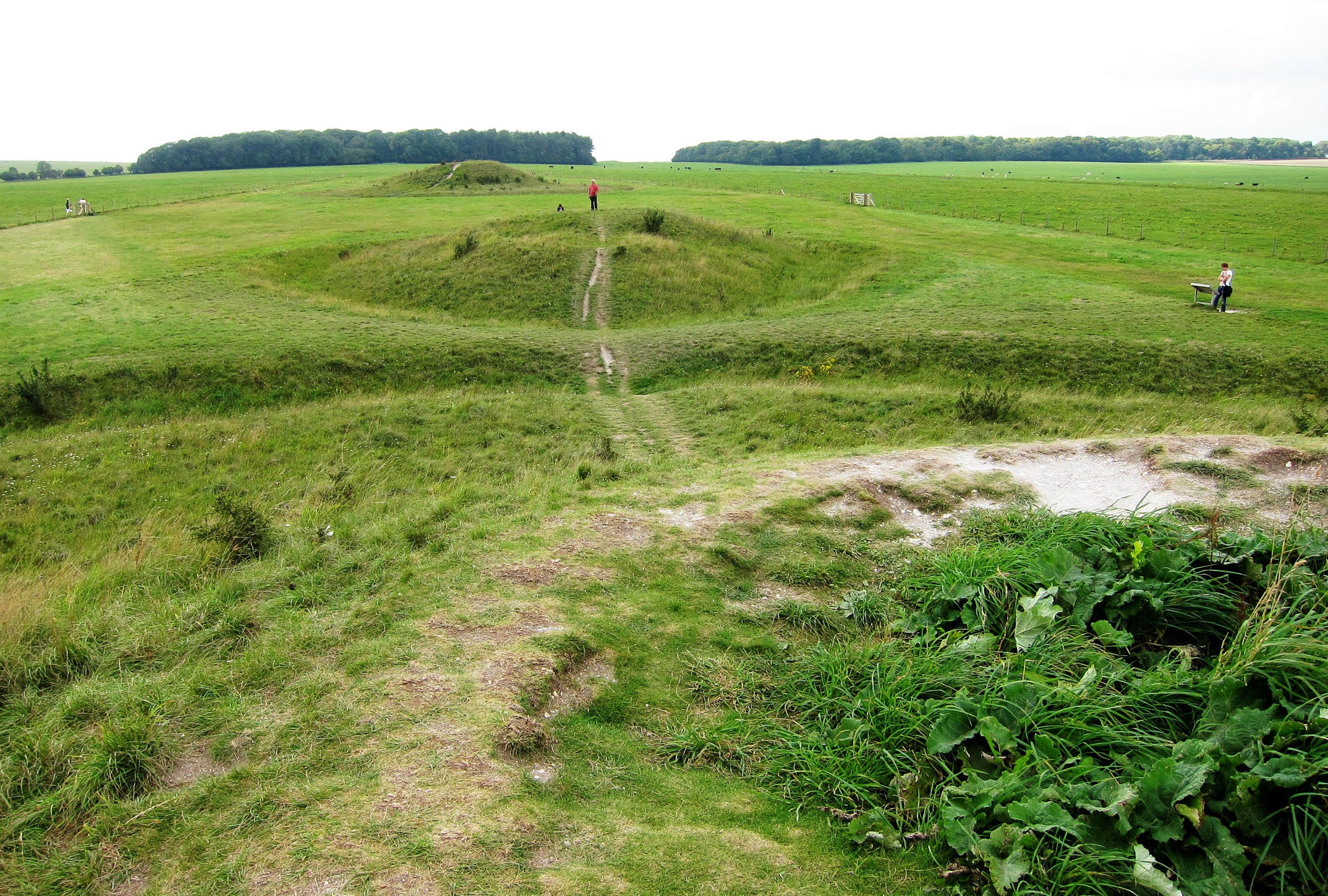
Recent archaeology suggests Stonehenge was linked to a vast ritual landscape. Durrington Walls, two miles away, was apparently a living settlement; Stonehenge may have been a domain of the dead. The avenue connecting them may have traced a ritual journey. But the builders left no instructions. We interpret their monument through the lens of our own assumptions.
The Legacy
Stonehenge has been continuously reinterpreted for 3,000 years since its abandonment. Romans recorded it. Medieval kings damaged it. Antiquarians measured it. New Agers worship at it. Over a million visitors come annually to see stones that were ancient when the pyramids were new.
The mystery is part of the attraction. If we knew exactly why Stonehenge was built, it might lose some of its power. Instead, it remains what it has always been: a monument to human effort, a marker of cosmic time, and a permanent reminder that ancient people achieved things we cannot fully explain. The stones keep their secrets.
From the Air
Stonehenge (51.18N, 1.83W) lies on Salisbury Plain in Wiltshire, England. Southampton Airport (EGHI) is 35km south. Boscombe Down (EGDR) is 15km east. The monument is clearly visible from the air - a dark circle on green grass. The surrounding landscape contains numerous barrows and earthworks. Weather is maritime temperate - often cloudy with frequent light rain.