The Sultana Disaster: 1,800 Dead in America's Forgotten Maritime Tragedy
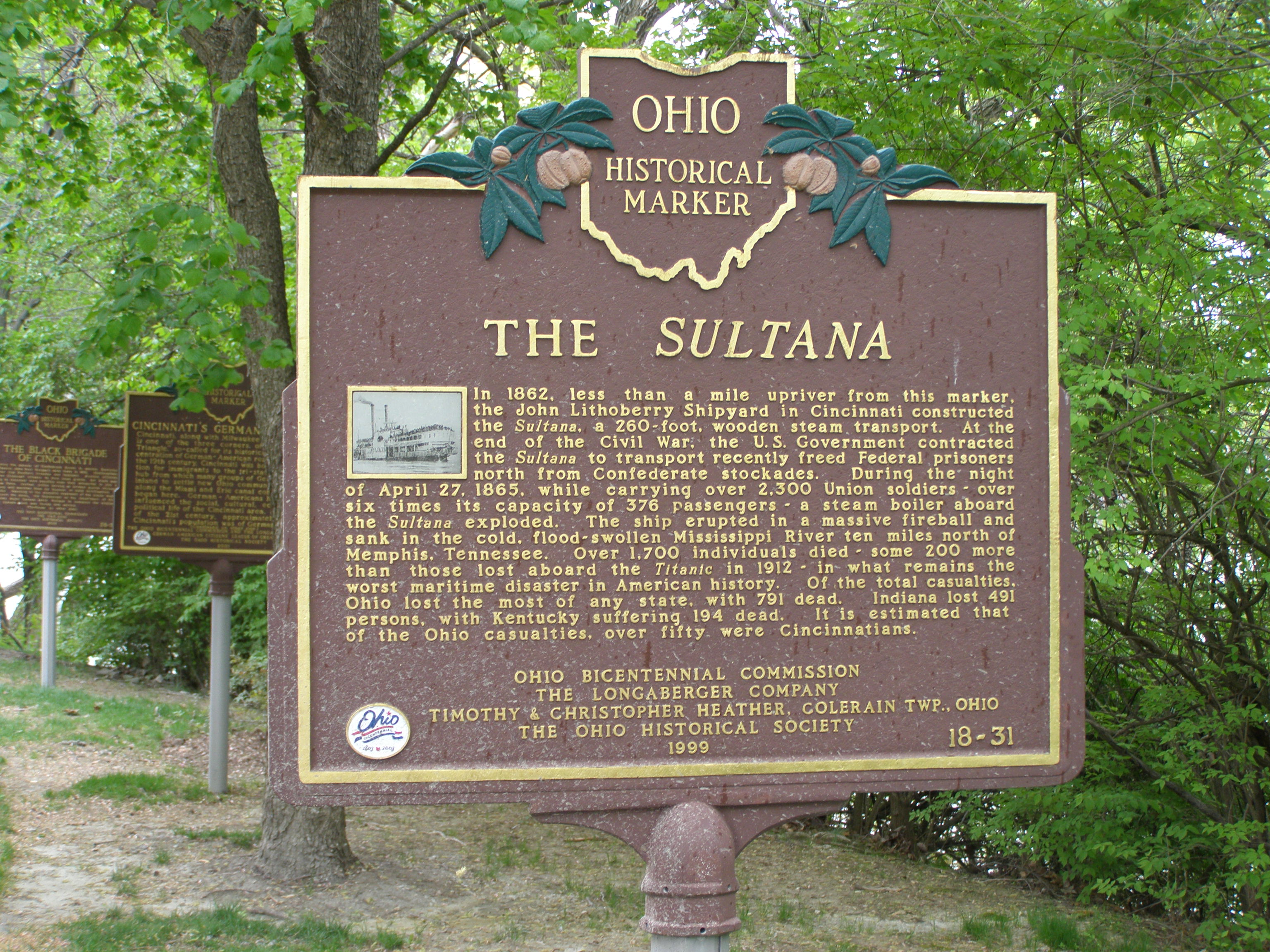
On April 27, 1865, the steamboat Sultana exploded on the Mississippi River seven miles north of Memphis, Tennessee. The blast and subsequent fire killed approximately 1,800 people - more than died on the Titanic, more than any other maritime disaster in American history. Most of the victims were Union soldiers, recently released from Confederate prison camps, heading home after years of captivity. But America barely noticed. Abraham Lincoln had been assassinated just 12 days earlier. John Wilkes Booth had been killed the day before. The nation was in mourning. The greatest maritime disaster in American history became a footnote, lost in the shadow of a president's death.
The Prisoners
The men who boarded the Sultana in Vicksburg had already survived hell. They were Union soldiers released from Andersonville and Cahaba, Confederate prison camps notorious for their brutality. They had endured starvation, disease, exposure. Many weighed less than 100 pounds. They had lived through the war only to be captured, and now they were finally going home.
The U.S. Army contracted steamboats to transport the released prisoners north. Captains were paid $5 per enlisted man and $10 per officer. It was a lucrative business, and competition was fierce. Captain J.C. Mason of the Sultana was determined to get as many soldiers as he could.
The Overload
The Sultana was designed to carry 376 passengers. When it departed Vicksburg on April 24, it carried over 2,300 - Union soldiers, civilian passengers, and crew. The boat sat so low in the water that the main deck was awash. Soldiers packed every inch of available space, lying on cargo, sitting on the rails, crowded into the cabins.
The Sultana also had a problem: one of its four boilers had been leaking. A repair had been made in Vicksburg, but it was a patch job. Engineers warned that the boiler needed to be replaced, not patched. Captain Mason was told the repair would hold. He believed them.
The Explosion
At 2:00 AM on April 27, seven miles north of Memphis, three of the Sultana's four boilers exploded simultaneously. The blast tore through the center of the boat, killing hundreds instantly. The wooden superstructure collapsed. Fire broke out immediately in the wreckage.
Survivors described a scene from nightmare. Men who had been sleeping on the deck were thrown into the river. Men trapped below decks burned alive or drowned as the boat filled with water. The Mississippi was running high and cold from spring floods - men weakened by years of imprisonment couldn't swim against the current. They drowned within sight of the shore.
The River
The Mississippi claimed most of the victims. Men who escaped the fire jumped into water that was 50 degrees and running fast. They clung to debris, to each other, to anything that floated. Some made it to shore. Many didn't. Bodies washed up along the riverbanks for weeks, some as far as 200 miles downstream.
The soldiers who survived the prison camps, who survived the explosion, who survived the fire, died in the cold dark water of the Mississippi River, just days from home. Some bodies were never found. Some were never identified. The exact death toll remains uncertain - estimates range from 1,700 to 1,900.
The Forgotten
The Sultana disaster should have shocked the nation. It killed more Americans than any maritime disaster before or since. But America in April 1865 had no attention left for tragedy. Lincoln's assassination dominated every newspaper. Booth's death dominated every conversation. The end of the war dominated every thought.
No one was ever convicted for the Sultana disaster. Captain Mason died in the explosion. The officer who had overloaded the boat was court-martialed but acquitted. The disaster faded from memory so completely that for decades it was barely mentioned in history books. Today, a small museum in Marion, Arkansas commemorates the dead. Most Americans have never heard their story.
From the Air
The Sultana explosion site (35.27N, 90.03W) is in the Mississippi River north of Memphis, near present-day Marion, Arkansas. Memphis International Airport (KMEM) is 20km south. The river channel has shifted since 1865 - the exact site is uncertain. The terrain is flat Mississippi Delta agricultural land. A memorial marks the approximate location. The Sultana Museum is in Marion.