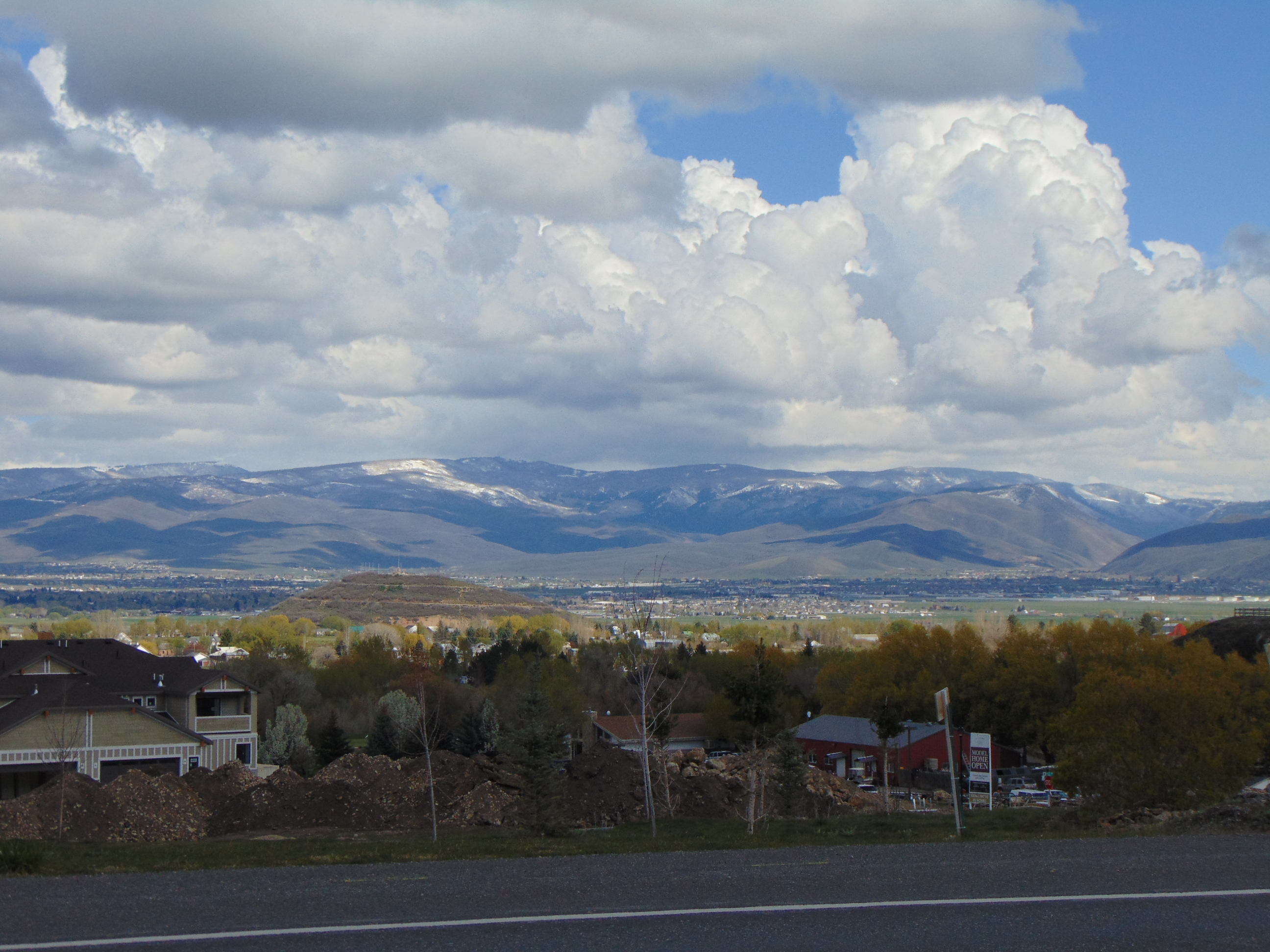
Sundance Resort
Robert Redford paid five hundred dollars for two acres of mountain land in the 1960s. From that modest purchase on the slopes of Mount Timpanogos grew not just a ski resort, but the Sundance Film Festival, the Sundance Institute, and the entire infrastructure of American independent cinema. When Redford died in September 2025, he had lived on this land for more than half a century, longer than any of his famous roles, longer than any of his directorial achievements. The mountain outlasted the man, as mountains do, but the cultural institution he built there continues to reshape how films get made and seen.
The Stewart Legacy
Before it was Sundance, this land belonged to the Stewart family. In the mid-1800s, Andrew Jackson Stewart Jr. and his sons surveyed the North Fork canyon while working for the federal government and fell in love with the views of Mount Timpanogos. Under the Homestead Act, each received 160 acres, and nearby parcels went to other family members. By 1911, the Stewarts owned 2,200 acres of sheep and cattle land they called Stewart Flats. Until 1920, the only road out dropped at an eighteen to twenty degree grade on its final half mile, a trench called the big dugway worn by generations of dragging timber. The annual Timpanogos Hike brought visitors after mid-July's full moon, gathering the night before for bonfires and the enactment of the Legend of Timpanogos, a tale of a princess who waited atop the mountain for a soldier who never returned.
Timp Haven's First Tracks
Skiing came to Mount Timpanogos in 1941 when slalom races were held on the glacier during the annual Timp hike. The ski area opened as Timp Haven in 1944, though the Stewart family kept it closed on Sundays. A 1938 Ford truck provided power for the first T-bar lift, installed in 1948. Jessie Scofield of Provo City Recreation started ski classes in winter 1946, and Brigham Young University professors soon followed, bussing students up in the afternoons. A single chairlift replaced the T-bar in 1953, and expansion continued through the decades: a lodge in 1957, whose foundation still supports today's General Store, new lifts named Mandan, Navajo, and Arrowhead through the 1960s and 1980s. The resort never paid dividends for the North Fork Investment Company, but it gave the Stewarts a place in Utah skiing history.
Redford Arrives
In the 1960s, the Stewarts subdivided Stewart Flats as Timp Haven Homes. Robert Redford, fresh from his breakout role in Butch Cassidy and the Sundance Kid, bought a two-acre lot for five hundred dollars. He renamed the entire operation Sundance Mountain Resort after his character in that 1969 film, the charming outlaw who rides into legend. The lower elevation meant a shorter ski season than Utah's other resorts, so Redford looked for ways to keep the place alive year-round. He wanted to create an Aspen-like atmosphere, to use the mountain as a platform for promoting the arts and attracting Hollywood talent. The idea seemed modest at first, almost quaint.
Birth of American Indie Film
The U.S. Film Festival first convened in 1978, an obscure gathering that many distributors considered toxic. Beginning in 1985, Sundance took it over, organizing the event through the newly established Sundance Institute. Redford was reluctant at first to attach his name so directly, worried about the weight of expectations. But the festival grew, becoming the launchpad for films and filmmakers who could never have broken through the studio system alone. Sydney Pollack, William Devane, and Daniel Melnick all owned homes in the resort community. The town surrounding the ski runs held just 28 full-time residents, many of whom lived there for more than fifty years, watching as their quiet mountain valley became a January pilgrimage site for the film industry.
Mountain and Memory
Redford sold Sundance to Broadreach Capital Partners and Cedar Capital Partners in 2020, but he never left. He continued living on the land until his death in September 2025 at age 89. The resort keeps expanding: in May 2025, just months before Redford died, Sundance announced the Electric Horseman Express, a new high-speed quad named for his 1979 film, opening 165 acres of new terrain in 2026. Today the mountain offers 2,150 vertical feet of skiing with six chairlifts, the terrain climbing to Bearclaw Cabin at the ridge crest, where 360-degree views stretch from Mount Timpanogos to the valleys below. The sixth-longest zip line in the United States drops from those heights, offering the greatest vertical fall of any zip line on the continent. But Sundance's real legacy floats in darkened theaters, in the credits of films that found their audience because one actor bought two acres of mountain land and dreamed bigger than anyone expected.
From the Air
Sundance Resort sits at approximately 40.39N, 111.58W on the northeastern slopes of Mount Timpanogos in Utah's Wasatch Range. The ski terrain climbs to approximately 8,250 feet MSL at Bearclaw Cabin. From the air, look for the cleared ski runs cutting through forest on Timpanogos's northeast shoulder, with Stewart Falls visible to the south. Recommended viewing altitude 3,000-4,000 feet AGL. The resort lies northeast of Provo, accessible via Provo Canyon (US-189). Provo Municipal Airport (KPVU) is 12nm southwest, Heber City Airport (36U) is 15nm north. Winter conditions can bring significant snow accumulation and mountain obscuration.