Surabaya
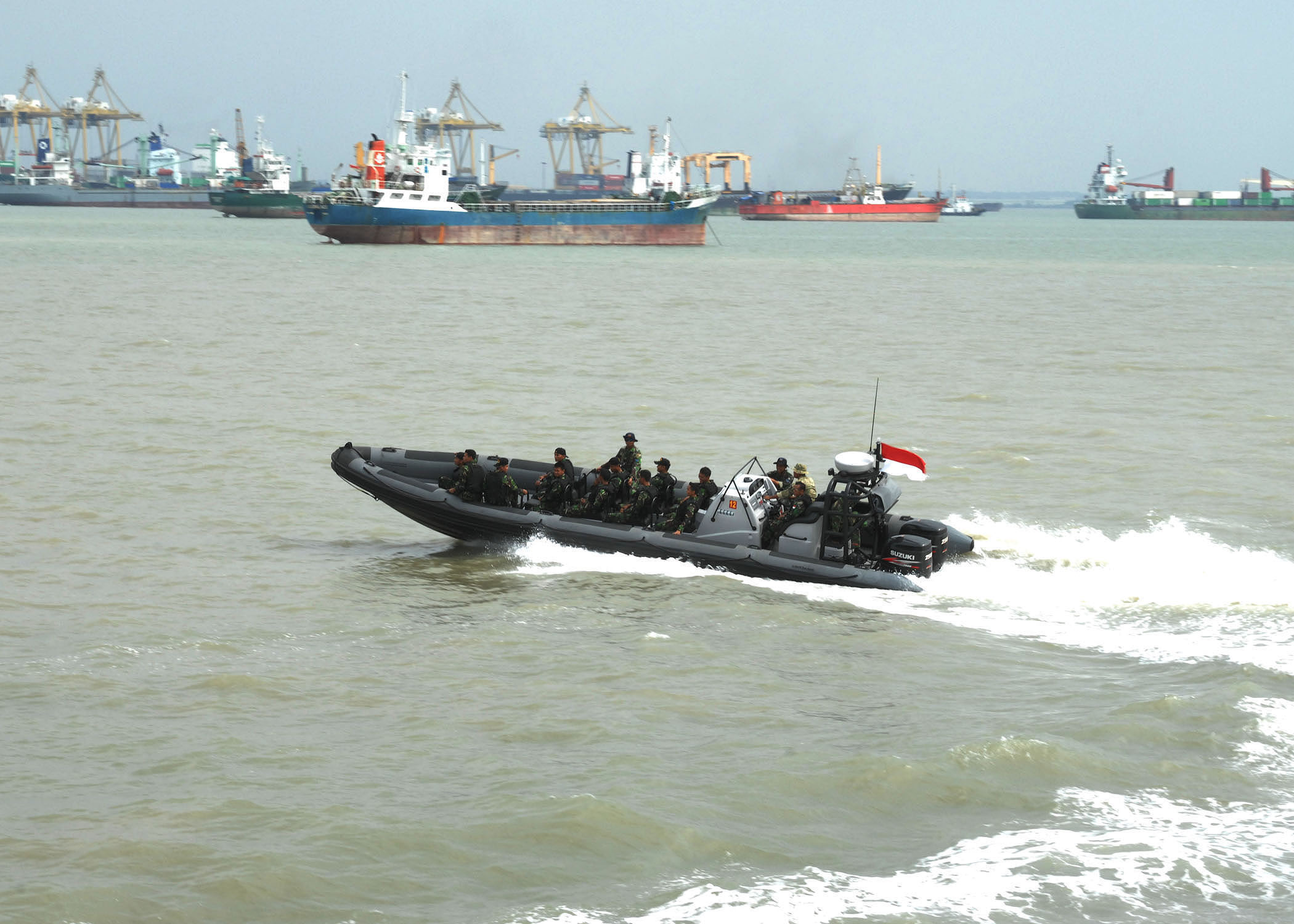
Surabaya is Indonesia's second largest city - an East Java metropolis of 3 million people serving as industrial center and naval base while Jakarta gets the attention. On November 10, 1945, its streets became a battlefield when Indonesians fought British forces, and the country still commemorates that sacrifice as Heroes Day. Colonial architecture survives in patches. The port has served trade routes for centuries. Yet Surabaya is working Indonesia, the kind of place tourists typically bypass en route to Bali. Javanese and Madurese and Chinese communities share the city, dense kampung neighborhoods press together, and modern malls rise among them. This is what Indonesian cities are actually like.
The Battle
In November 1945, Surabaya became the site of Indonesia's bloodiest fight for independence. For three weeks, Indonesians resisted British troops who had come to accept Japanese surrender. Thousands died. The resistance delayed British victory and forged a national martyrdom - November 10 is Heroes Day throughout Indonesia, commemorating what Surabaya sacrificed.
That battle shapes how Surabaya sees itself. This is the city of heroes, the place where resistance proved Indonesia would not accept recolonization. Monuments line the streets. A museum documents the fighting in painstaking detail. More than any other contribution, the battle is what Surabaya gives to Indonesian identity.
The Colonial Quarter
Dutch merchants built a colonial quarter along the Kalimas River, and much of it survives in patches. Buildings from the trade era still stand near the Jembatan Merah (Red Bridge), which marks the old commercial center. Other Indonesian cities demolished their colonial architecture. Surabaya kept its own, through neglect as much as intent - and the quarter shows what colonial Indonesia looked like.
No one has restored these streets for tourists, which makes them authentic if not pretty. Commerce still fills the old buildings. Warehouses still function along the river. Decay creeps where maintenance has not reached. This is what history looks like when preservation is not a priority.
The Arab Quarter
Around the Sunan Ampel Mosque, one of Java's oldest and holiest, the Arab Quarter grew into the center of Islamic life in East Java. Traders from Yemen settled here centuries ago, and their descendants remain. Pilgrims still visit the mosque founder's grave. In many ways, this is where Islam in Java began.
Shops selling religious goods pack the quarter's narrow lanes, and the mosque remains the center of both faith and commerce. The population is no longer Arab - Javanese and Madurese predominate - but the name persists, and the mosque endures.
The Chinese
Surabaya's Chinese community is among Indonesia's largest. Traders have lived here for centuries, their temples surviving despite periodic violence, their commerce still significant. On the waterfront stands the Klenteng Sanggar Agung temple; near the old city, the Chinese quarter hums with business. This presence shapes Surabaya's economy and complicates its politics.
Chinese Indonesians occupy a complicated position - essential to the economy, resented by some, periodically targeted for violence. Why do they stay in Surabaya? Because opportunity remains. But the history of violence is a background no one in the community can forget.
The Gateway
East Java's great attractions lie beyond Surabaya. Mount Bromo draws thousands for its sunrise. The Ijen crater glows with blue flames at night. Beaches and temples fill the surrounding region. Most tourists pass through without stopping; Surabaya serves as departure point rather than destination.
The city accepts this gateway role. Hotels house travelers overnight. Infrastructure moves them onward. Transit commerce sustains entire districts. Surabaya has its own attractions, but they cannot compete with what lies beyond.
From the Air
Surabaya (7.25S, 112.75E) sits on the northeastern coast of Java at the mouth of the Mas River. Juanda International Airport (WARR/SUB) lies 20km south, with two runways - 10L/28R (3,000m) and 10R/28L (3,000m) - serving as the gateway to East Java. The city sprawls along the Madura Strait, and the island of Madura is visible across the water. Since 2009, the Suramadu Bridge has connected the two. Expect tropical monsoon weather: hot year-round, with a distinct wet season from November through April and persistently high humidity. The Java Sea stretches to the north.