Tagata Shrine
Every March 15, a 280-kilogram wooden phallus carved from Japanese cypress is hoisted onto the shoulders of a team of bearers and paraded through the streets of Komaki City, just north of Nagoya. The object is roughly 2.5 meters long, between 200 and 250 years old, and absolutely the center of attention. This is the Honen Matsuri -- the Harvest Festival -- at Tagata Shrine, a Shinto fertility celebration that has been observed for an estimated 1,500 years. What foreign visitors sometimes reduce to spectacle is, for the communities of Aichi Prefecture, a deeply rooted prayer for bountiful harvests, prosperity, and the continuity of life itself.
Ancient Prayers for Abundance
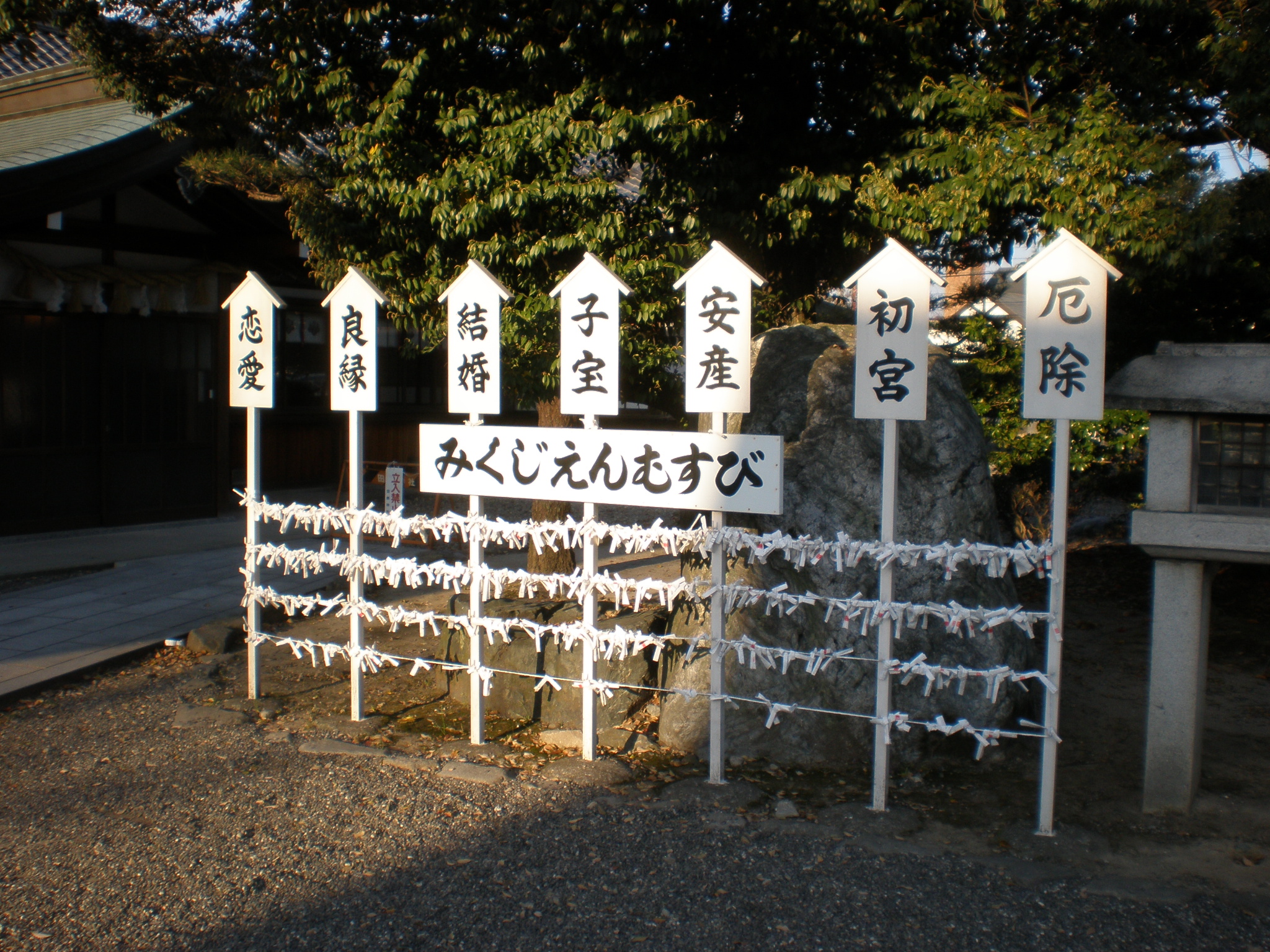
Tagata Shrine sits in Komaki City, Aichi Prefecture, near Nagoya Airfield. The shrine's origins are thought to stretch back roughly 1,500 years -- a date suggested by ancient pottery discovered at the site in 1935. The shrine is dedicated to a female kami embodying fertility and renewal, and in the Shinto tradition, fertility rites like those practiced here are not considered vulgar but sacred, tied to agriculture, human reproduction, and the health of the community. The word "honen" means a prosperous year, implying a rich harvest, while "matsuri" simply means festival. For centuries, the ritual objects of veneration were loaned to couples wishing for children, to women hoping to find a husband, or to farmers praying for a bumper crop. The phalluses were taken home and worshipped until the desired result was achieved, then returned to the shrine.
The March 15 Procession
The centerpiece of the Honen Matsuri is the grand procession of the o-owase-gata, the massive wooden phallus carved from hinoki cypress. In even-numbered years, the object begins its journey at the Shinmei Sha shrine on a hill in Komaki; in odd-numbered years, it departs from Kumano-sha Shrine. Bearers carry it through the streets to Tagata Shrine, accompanied by smaller portable shrines, musicians, and crowds of onlookers drinking sake and buying phallic-shaped sweets, chocolates, and souvenirs from festival vendors. The atmosphere is festive and uninhibited, a rare public expression of themes that Shinto treats with reverence rather than embarrassment. The Honen Festival is designated an intangible folk cultural property of Komaki City by the local Board of Education.
Paired Shrines, Paired Festivals
Tagata Shrine does not celebrate alone. Nearby in Inuyama City stands Oagata Shrine, which holds its own complementary fertility festival the Sunday before Tagata's March 15 celebration. Where Tagata's festival features phallic imagery, Oagata's procession includes floats with yonic shapes, representing the feminine counterpart. Together, the two festivals form a balanced pair rooted in Shinto cosmology, where male and female creative forces are both sacred and necessary for the renewal of the world. The pairing also draws parallels to other fertility processions in Japan, such as the Kanamara Matsuri in Kawasaki, though Tagata's festival is considerably older.
A Quiet Shrine, a Loud Day
For 364 days of the year, Tagata Shrine is a quiet, modest Shinto complex -- stone torii gate, wooden prayer hall, moss-edged stone paths -- set in a residential area just a five-minute walk from Tagata-jinja-mae Station on the Meitetsu Komaki Line. Visitors who come outside festival season find a contemplative space with stone pillars and carved objects of worship tucked into shaded alcoves. But on March 15, the population of the area swells dramatically as both Japanese and international visitors crowd the narrow streets, cameras in hand, drawn by a festival that is simultaneously one of the most photographed and most misunderstood events in Japan. Locals will tell you it is not about shock value. It is about gratitude -- for the harvest, for children, for the stubborn persistence of life through the centuries.
From the Air
Tagata Shrine is located at 35.32N, 136.94E in Komaki City, north of Nagoya. The shrine is a small complex not easily visible from high altitude, but Komaki City is identifiable by its proximity to Nagoya Airfield (RJNA/NKM), which lies just to the south. Chubu Centrair International Airport (RJGG/NGO) is the region's main commercial airport, located on an artificial island in Ise Bay. Komaki Castle hilltop to the east of the city is a useful visual landmark.