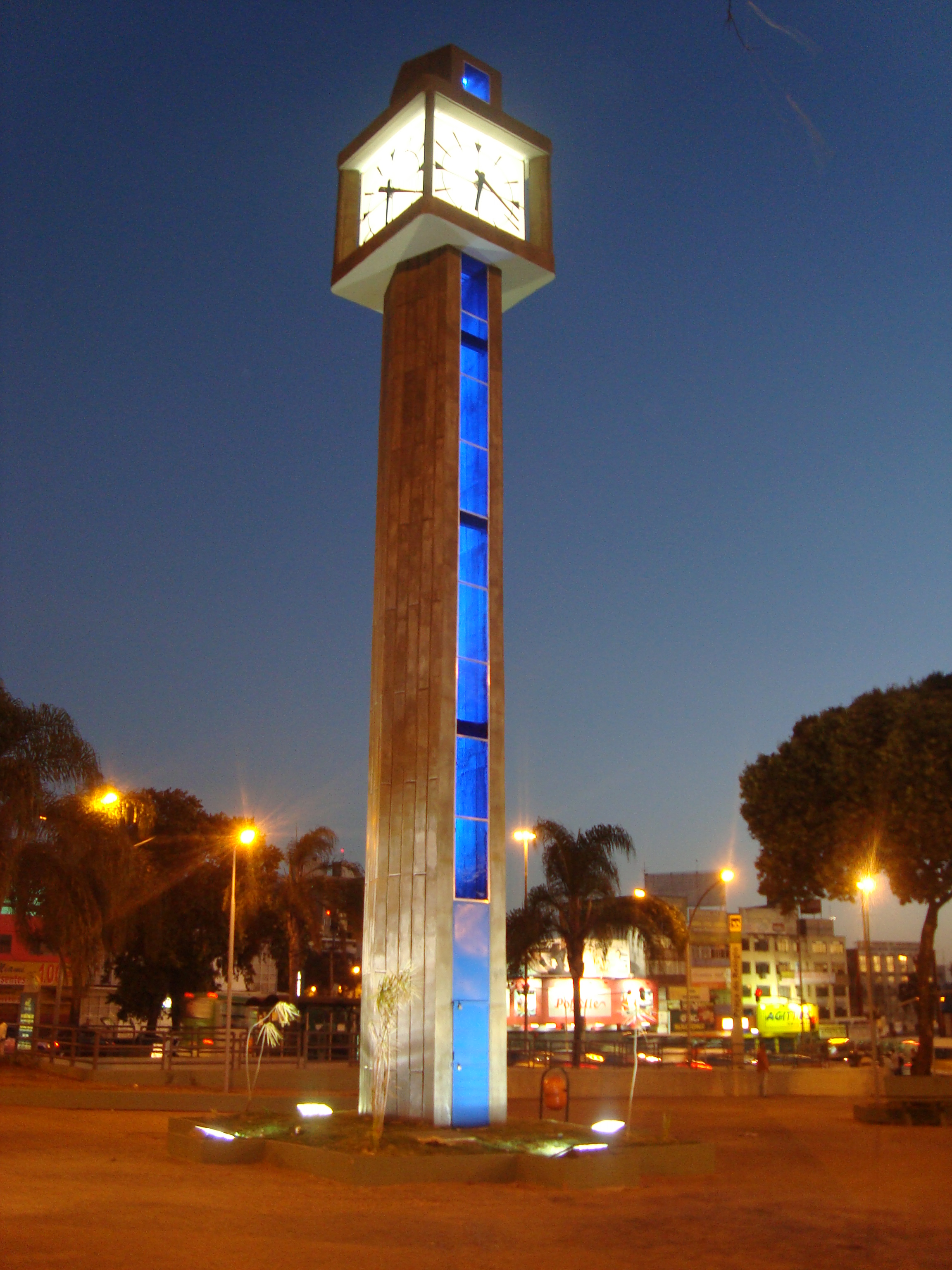
Taguatinga, Federal District
Before Brasilia existed, the laborers had to live somewhere. In 1958, while construction of the new federal capital was in full frantic motion on the central Brazilian plateau, a planned town went up on an old farm 25 kilometers west of the future city center. They called it Vila Sarah Kubitschek, after the first lady, then renamed it Santa Cruz de Taguatinga, and then just Taguatinga. The name came from an old farmhouse on the land, which took it in turn from a Tupi word meaning, most likely, white clay - for the pale soils along the Taguatinga and Cortado streams. Sixty-five years later Taguatinga is home to 222,000 people, the fourth-largest administrative region of the Federal District, and the commercial heart of everything that is not Brasilia itself.
Before Brasilia, the Clay and the Drovers
The land that would become Taguatinga was not empty before 1958. By 1749, pioneers and cattle drovers had formed a small settlement near the Corrego Cortado in the Captaincy of Goias, hoping to stake claims in a territory already home to people of the macro-Ge linguistic family - the Acroa, Xakriaba, Xavante, Kayapo, and Javae peoples. Some of the newcomers were drawn by rumors of gold and diamonds. On the banks of the stream a man named Gabriel da Cruz Miranda built the farmhouse Taguatinga, which he sold in 1781 to Antonio Couto de Abreu. For almost two centuries the farm stayed a farm, raising cattle and growing what it could on the thin cerrado soils. Then Brasilia arrived.
White Clay or White Bird
The name's meaning is charmingly contested. "Tinga" in Tupi means white - this much is clear. The prefix "ta'wa" is the argument. Some early translators rendered it as bird, giving "white bird" - plausible because the predominantly white scott hawk is common in the region, and a bird ended up on the Taguatinga flag because of a poem by Antonio Garcia Muralha titled Ta'Wa'Tiga. A high school in town carries the name CEMAB, Centro de Ensino Medio Ave Branca - White Bird High. But most modern linguists say "ta'wa" means clay, specifically the yellowish or reddish clay called tagua, and that "ta'wa'tinga" meant white clay - the pale soils of those particular streams. The same root may have given us the word taba for indigenous house. Bird or clay, the settlers liked the sound and kept it.
The Economic Capital of the Federal District
Taguatinga became what it is because of work. When the workers who built Brasilia needed housing, Taguatinga gave it to them, and when those workers and their families needed schools, hospitals, and places to buy things, Taguatinga gave it those too. Entire commercial avenues grew up along the Avenida Comercial (north and south), Avenida Central, and Avenida Helio Prates. Alameda Shopping and Taguatinga Shopping followed. A fashion fair, a soft drink factory, car dealers, hypermarkets, several colleges. The QI industrial center and a larger industrial area near BR-060 fill in the production side. In 2012 Taguatinga ranked as the 12th most expensive market in Brazil for new real estate launches. Several other cities - Ceilandia, Samambaia, Aguas Claras, Vicente Pires - broke off from Taguatinga's original administrative region as the satellite grew large enough to shed satellites of its own. Taguatinga today is, by consensus, the economic capital of the Federal District, distinct from but feeding Brasilia.
The Tunnel with Pele's Name
On July 5, 2023, Governor Ibaneis Rocha inaugurated the Rei Pele tunnel - King Pele, as everyone in Brazil knows him - a twin 1,010-meter tube cut underneath central Taguatinga. The project cost 640 million reais and the governor announced the name on the day of the soccer star's burial earlier that year. Not everyone was happy with the choice. Pele had no particular connection to the Federal District, and social media campaigns pushed alternatives: Renato Russo, the Brasilia-born singer of the band Legião Urbana, or just the plain geographical name Taguatinga Tunnel. The tunnel got its name anyway. Three Federal District Metro stations - Praca do Relogio, Taguatinga Sul, Centro Metropolitano - give Taguatinga direct rail service to Brasilia, a daily commute for tens of thousands. The town's patron saint is Our Lady of Perpetual Help, celebrated on June 27, a feast that still feels more important to long-time locals than any tunnel.
From the Air
Located at 15.83°S, 48.06°W, 25 km west of Brasilia's Plano Piloto, in the Federal District. At altitude the satellite city reads as a dense urban grid spreading west from the central lake region of Brasilia, with BR-070 bordering the northern sector and BR-060 running along the southeast. Nearest airport: Brasilia/Presidente Juscelino Kubitschek (SBBR), approximately 25 km east. Brasilia Federal District sits at around 1,170 meters elevation.