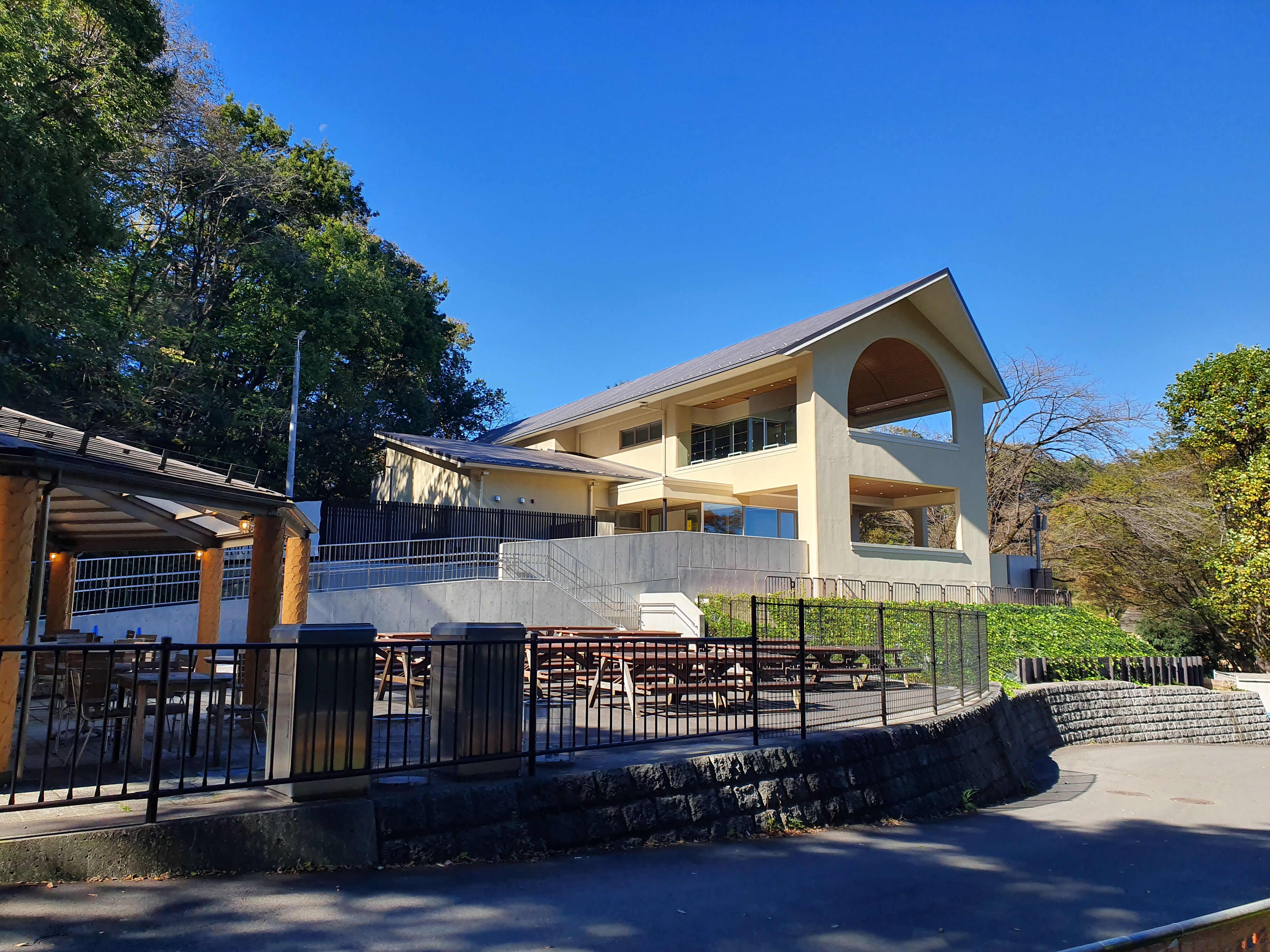
Tama Zoo: Where a Thousand Butterflies Fly Free
Around a thousand butterflies swirl through a humid greenhouse in the hills west of Tokyo, landing on plates of nectar that the staff call "Butterfly Restaurants." This is the Insectarium at Tama Zoological Park, and the fact that a zoo built to showcase elephants and lions is equally proud of its blue glassy tigers and flower mantises tells you something about the place. Opened on May 5, 1958, as an overflow branch of the cramped Ueno Zoo in central Tokyo, Tama Zoo was designed around a radical idea: give the animals room to move. At 52 hectares, it is nearly four times the size of Ueno, and instead of iron bars and concrete pits, it uses moats and natural terrain to separate visitors from wildlife. The result is a zoo that feels more like a hike through four continents than a walk past cages.
Four Continents on a Hillside
Tama Zoo is divided into four zones, each designed to evoke the landscapes of a different part of the world. The Asiatic Garden holds Amur tigers, snow leopards, red pandas, and a herd of Przewalski's horses, the last truly wild horse species on Earth. The African Garden is home to reticulated giraffes, chimpanzees, and a pride of lions best viewed from the Lion Bus, a safari-style ride that carries visitors directly through the lions' habitat. When it launched in 1964, the Lion Bus was the first of its kind, predating the safari park concept that would later spread worldwide. The Australian Garden houses Tasmanian devils, koalas, and red kangaroos. And the Insectarium, completed in 1988, offers something rarer than any big cat: the chance to stand inside a warm greenhouse while fifteen species of free-flying butterflies land on your outstretched hand.
Anura's Long Life
The most remarkable resident at Tama Zoo is Anura, a male Asian elephant born in 1953 in what was then the Dominion of Ceylon. Imported to Japan in 1956, Anura first lived at Ueno Zoo before transferring to Tama when it opened in 1958. His name honors Anura Bandaranaike, the son of Ceylon's then-prime minister S.W.R.D. Bandaranaike, who donated the elephant to Japan in 1956. As of 2025, Anura is 72 years old, making him the oldest elephant living in Japan. He has outlived the country that named him -- Ceylon became Sri Lanka in 1972 -- and has spent nearly seven decades in Tokyo, a quiet witness to the transformation of postwar Japan into a modern metropolis. His enclosure is modest compared to the sweeping moated habitats elsewhere in the park, but visitors who pause to watch him understand they are looking at living history.
The Mole's-Eye View
Among Tama Zoo's most inventive exhibits is the Mole House, a man-made burrow constructed from glass-covered earth and metal tunnels. Visitors walk through dimly lit passages and peer through glass panels to observe Japanese moles and small Japanese moles tunneling through the soil around them. It is a complete inversion of the typical zoo experience -- instead of looking down at animals in an enclosure, you find yourself inside the enclosure, surrounded by the underground world of creatures most people never see. The exhibit captures Tama Zoo's founding philosophy: rather than displaying animals as curiosities behind barriers, bring visitors into the animal's own environment. That same spirit runs through the entire park, from the open hillside habitats where Japanese serows and macaques roam to the butterfly greenhouse where the insects choose whether to land on you.
A Zoo That Walks Like a Forest
Tama Zoo sits on hilly, wooded terrain in Hino, a residential city in the Tama region of western Tokyo. The park's trails wind uphill and down through groves of trees, and a visit here is genuinely physical -- comfortable shoes are essential. The station serving the park, Tama-Dobutsukoen, sits on both the Keio Dobutsuen Line and the Tama Toshi Monorail Line, placing the zoo within easy reach of central Tokyo despite its semi-rural setting. The zoo has quietly entered popular culture as well: it appears as "Hino Zoo" in the manga and anime series My Deer Friend Nokotan. But its real cultural significance is older and deeper. When Tama opened in 1958, Japan was rebuilding from the devastation of war. The idea of giving animals freedom and space, of building a zoo where nature set the terms, was a statement about the kind of future Tokyo wanted to build.
From the Air
Located at 35.65N, 139.40E in the hills of Hino, western Tokyo. The zoo's 52-hectare footprint is visible as a large green area amid suburban development on the Tama Hills. Chofu Airport (RJTF) lies approximately 12 km to the east. Yokota Air Base (RJTY) is roughly 10 km to the north. Tachikawa Airfield (RJTC) sits about 4 km northeast. Best viewed at 2,000-3,000 feet AGL, where the park's wooded terrain and open habitats contrast with the surrounding residential grid of Hino and Tama New Town.