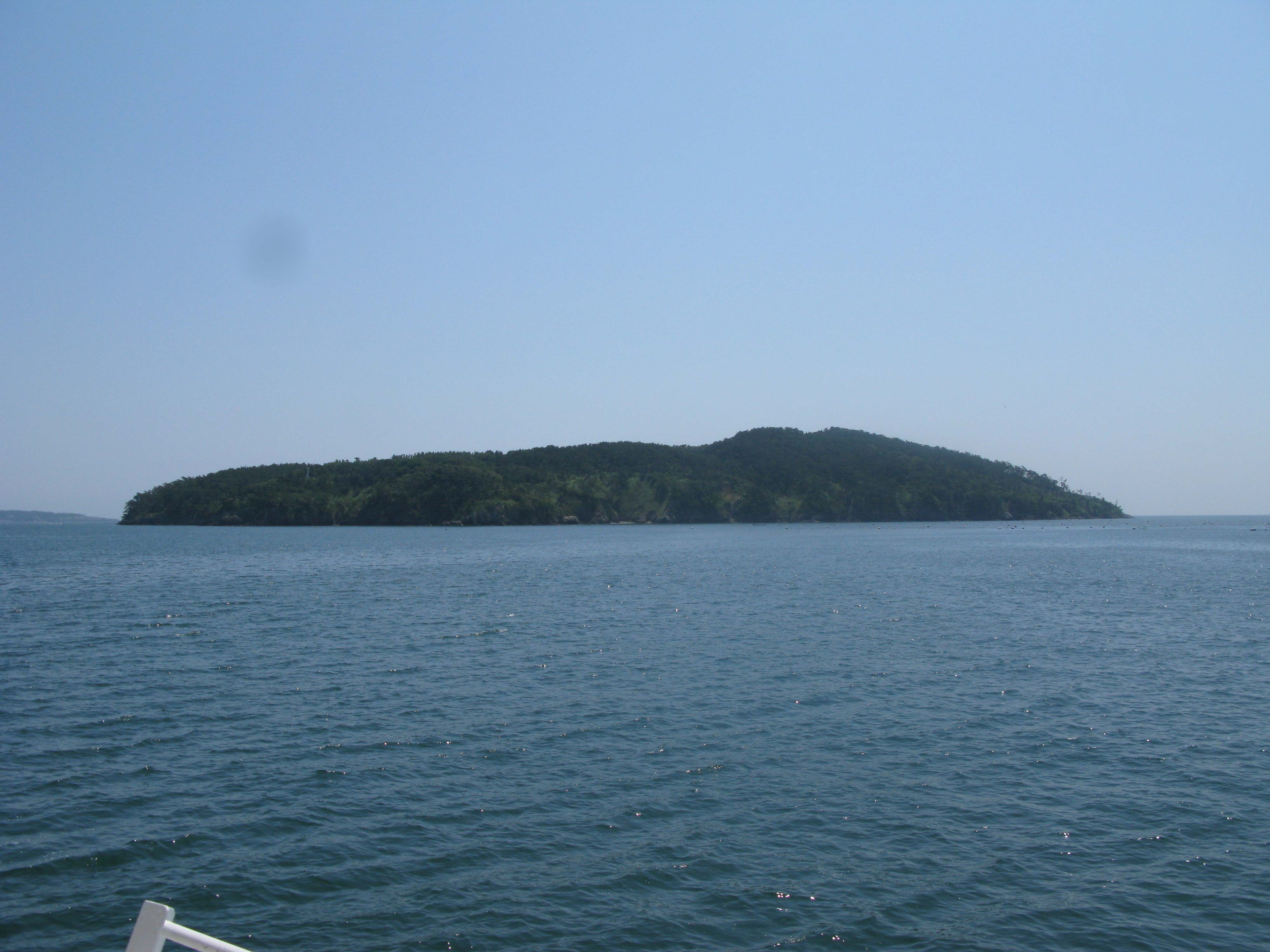
Tashirojima
Dogs are banned. Mice would be wise to stay away. On Tashirojima, a speck of land in the Pacific off Miyagi Prefecture, cats have won -- completely and irreversibly. They lounge on warm concrete, patrol the narrow lanes between weathered fishermen's houses, and accept (or ignore) the humans who arrive by ferry three times a day from Ishinomaki. At its peak in the 1950s, the island supported around 1,000 people. Today roughly 100 remain, most of them elderly, outnumbered by the felines who have become the island's main attraction and its unlikely economic engine.
From Silkworms to Strays
The cats arrived for practical reasons. During the late Edo period, Tashirojima's residents raised silkworms for the textile trade, and cats kept the mice from devouring the valuable cocoons. In 1602, a nationwide decree freed all pet cats in Japan to combat the rodent population threatening the silkworm industry. On Tashirojima, those freed cats thrived. Generations later, fixed-net fishermen from the mainland began staying on the island overnight, and the cats learned to visit the inns begging for scraps. The fishermen grew fond of them, reading their behavior as omens for weather and fish movements. When a stray rock killed one of the cats during net-weight collection, the remorseful fishermen buried it and built a small shrine at the spot. That shrine still stands in the forest between the island's two villages.
The Cat Shrine and Its Pilgrims
The Neko Jinja sits in the middle of the island, roughly halfway between the ports of Nitoda and Oodomari. It is small, moss-covered, and draped with offerings left by visitors who believe in the Japanese tradition that cats bring good fortune. You will not find many cats at the port itself -- they tend to congregate further inland, among the houses and along the paths where handouts are more likely. Patience is the price of admission: sit quietly, resist the urge to reach out, and eventually a cat may decide you are worth investigating. Feeding is prohibited. The islanders discovered that visitor-supplied food caused health problems and triggered aggression between cats. Donations of cat food and treats are welcome, but distribution is left to the locals who know the colony's dynamics.
Intractable Feuds and Furry Diplomacy
Tashirojima's cats are semi-feral, with claws and temperaments to match. Certain long-running disputes between resident cats have hardened into what can only be described as intractable feuds, and visitors are advised not to intervene. The island's dry humor extends to its tourism infrastructure: a My Neighbor Totoro Catbus replica occasionally appears, and from April through October, a "manga resort" rents cat-shaped cottages that sleep six to eight people. A cafe near the old school sells food and souvenirs and hosts rotating photo exhibitions of the island's feline residents. Vending machines provide drinks. Beyond that, commerce is minimal. Two hours on foot is enough to walk from the port to the Cat Shrine and back, making acquaintances along the way.
An Island Running Out of Time
With 83 percent of its population classified as elderly, Tashirojima holds a designation that translates roughly as a "village on the verge of extinction." The port at Oodomari was destroyed by the 2011 Tohoku earthquake and tsunami and has been rebuilt, but the human population continues its slow decline. The cats, meanwhile, are doing fine. Media attention has brought a steady trickle of visitors -- the BBC filmed here for Pets: Wild at Heart in 2015, and a crowd-funded documentary called Cat Heaven Island followed in 2015. Package tours advertise the chance to "look for Jack," a cat made famous by the Nyanko film series. Whether the visitors can sustain a community that the younger generation has largely left behind remains the island's open question. For now, the cats wait at the dock, sizing up each ferry's passengers with the practiced indifference of landlords greeting tenants.
From the Air
Located at 38.30N, 141.42E in the Pacific Ocean off the Oshika Peninsula, Miyagi Prefecture, Japan. Tashirojima appears as a small, forested island clearly distinct from the mainland. The two ports of Nitoda and Oodomari are visible on opposite sides. Nearest airports: Sendai Airport (RJSS) approximately 45nm southwest, JASDF Matsushima Air Base (RJST) approximately 20nm west-northwest. Nearby Aji Island lies just to the south. The surrounding waters are used by fishing vessels and the Ajishima Line ferries from Ishinomaki. Maritime weather with frequent low cloud and fog in spring.