Tel Aviv
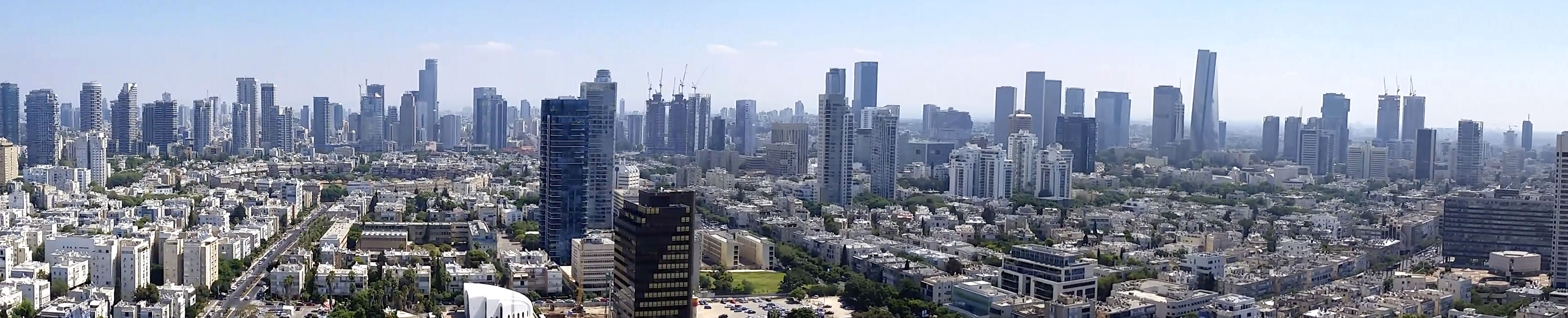
Tel Aviv was founded in 1909 as a suburb of the ancient port of Jaffa, Jewish families drawing lots to distribute land that had been sand dunes. The city grew as Jewish immigration to Palestine accelerated, absorbing refugees from European pogroms and later the Holocaust, becoming the capital of the new State of Israel in 1948 before most embassies relocated to Jerusalem. The White City - over 4,000 Bauhaus and International Style buildings constructed in the 1930s and 1940s by architects fleeing Nazi Germany - gave Tel Aviv a UNESCO designation and a distinctive aesthetic. The city holds 460,000 people in the municipality, 4 million in the metropolitan area, a concentration of Israel's secular, liberal, technological population. Jerusalem may be the capital and the focus of religious conflict; Tel Aviv is where Israelis live the lives that conflict interrupts.
The White City
The White City emerged from disaster. German Jewish architects, barred from practice under Nazi race laws, brought their Bauhaus training to Palestine in the 1930s. They adapted the International Style to Mediterranean conditions: white walls to reflect heat, narrow windows to block sun, balconies to catch breezes, pilotis to allow air circulation beneath buildings. Over 4,000 buildings in this style were constructed, the largest concentration of Bauhaus architecture in the world.
The UNESCO designation in 2003 sparked preservation efforts that had lagged for decades. The white facades had turned gray from neglect and pollution; the buildings had been subdivided and modified; the aesthetic unity was visible only to those who looked carefully. Restoration continues, the buildings cleaned and conserved, the White City becoming tourism product as well as architectural heritage. The architects who fled persecution created something beautiful from displacement.
The Beach City
Tel Aviv's Mediterranean beaches stretch from Jaffa to the northern suburbs, the waterfront that defines the city's self-image. The promenade fills with joggers at dawn, sunbathers at noon, families at sunset, the beach functioning as public park in a dense city. The beach culture is deliberately hedonistic - the Sabbath brings more people rather than fewer, the secular population claiming the day for pleasure rather than prayer.
The beaches represent Tel Aviv's contrast with Jerusalem. The holy city is stone and prayer and conflict; the beach city is sand and sun and forgetting. The contrast is not quite accurate - Tel Aviv has synagogues and religious neighborhoods, and rockets from Gaza have landed on beaches - but it captures something real. Tel Aviv permits Israelis to live normally, to pretend that the conflicts defining their nation can be escaped for an afternoon.
The Startup Nation
Tel Aviv is the center of Israel's technology industry, the startup ecosystem that produces more companies per capita than any other country. The military service that Israelis complete provides technical training and networks; the venture capital that concentrates here provides funding; the intensity that small nations surrounded by enemies produce generates entrepreneurship. The result is a tech scene that has produced Waze, Mobileye, and countless exits to American acquirers.
The tech culture shapes the city. The cafes of Rothschild Boulevard fill with programmers and founders; the WeWork spaces hold teams building products for global markets; the immigration that brings Jews from around the world brings engineers who could work anywhere but choose Tel Aviv. The startup nation narrative may be marketing, but the reality supports it - Tel Aviv punches above its weight in technology because Israel cannot afford not to.
The Night City
Tel Aviv's nightlife is legendary in the region - the clubs that don't close until dawn, the bars that stay open through Shabbat, the freedom that draws young Israelis from more conservative communities. The gay scene is the most developed in the Middle East; the Pride parade draws over 250,000 participants annually; the tolerance that religious Jerusalem cannot offer exists here without apology.
The hedonism is not escapism - or not only escapism. Israelis know that mandatory military service awaits, that rockets may fall, that the conflict never truly ends. The nightlife is response: if life is uncertain, live intensely. The Tel Aviv that stays out until 5 AM, that treats Thursday night like Friday, that fills restaurants and bars regardless of security situations, is making a statement about how to exist under pressure.
Jaffa
Jaffa is older than Tel Aviv by millennia - an ancient port mentioned in Egyptian records from 1470 BC, through which Jonah departed and to which logs from Lebanon were floated for Solomon's temple. The old city that survived 1948, when most Palestinian residents fled or were expelled, has been gentrified into galleries and restaurants, the former Arab homes now housing Jewish artists and expatriates.
The relationship between Tel Aviv and Jaffa encapsulates Israel's complications. The Jewish suburb absorbed the Arab city; the Arab buildings became Israeli real estate; the history is visible but the inhabitants have changed. Jaffa's flea market sells Palestinian antiques to Israeli collectors; the restaurants serve Arab food to Jewish customers; the coexistence is real but asymmetric. Tel Aviv-Yafo, as the combined city is officially named, cannot escape the history that created it.
From the Air
Tel Aviv (32.08N, 34.78E) lies on Israel's Mediterranean coast. Ben Gurion International Airport (LLBG/TLV) is located 15km southeast of the city center with two runways: 08/26 (3,112m) and 12/30 (4,062m). The White City Bauhaus buildings are visible in central Tel Aviv. The beach and promenade extend along the coast. Jaffa's old city is visible at the southern end. The Tel Aviv skyline has grown with high-rises in recent decades. Weather is Mediterranean - hot dry summers, mild wet winters. Sea breezes moderate coastal temperatures. The airport is within range of rockets from Gaza, which has affected operations during conflicts.