Temple of Anahita: Where Water Was Worship
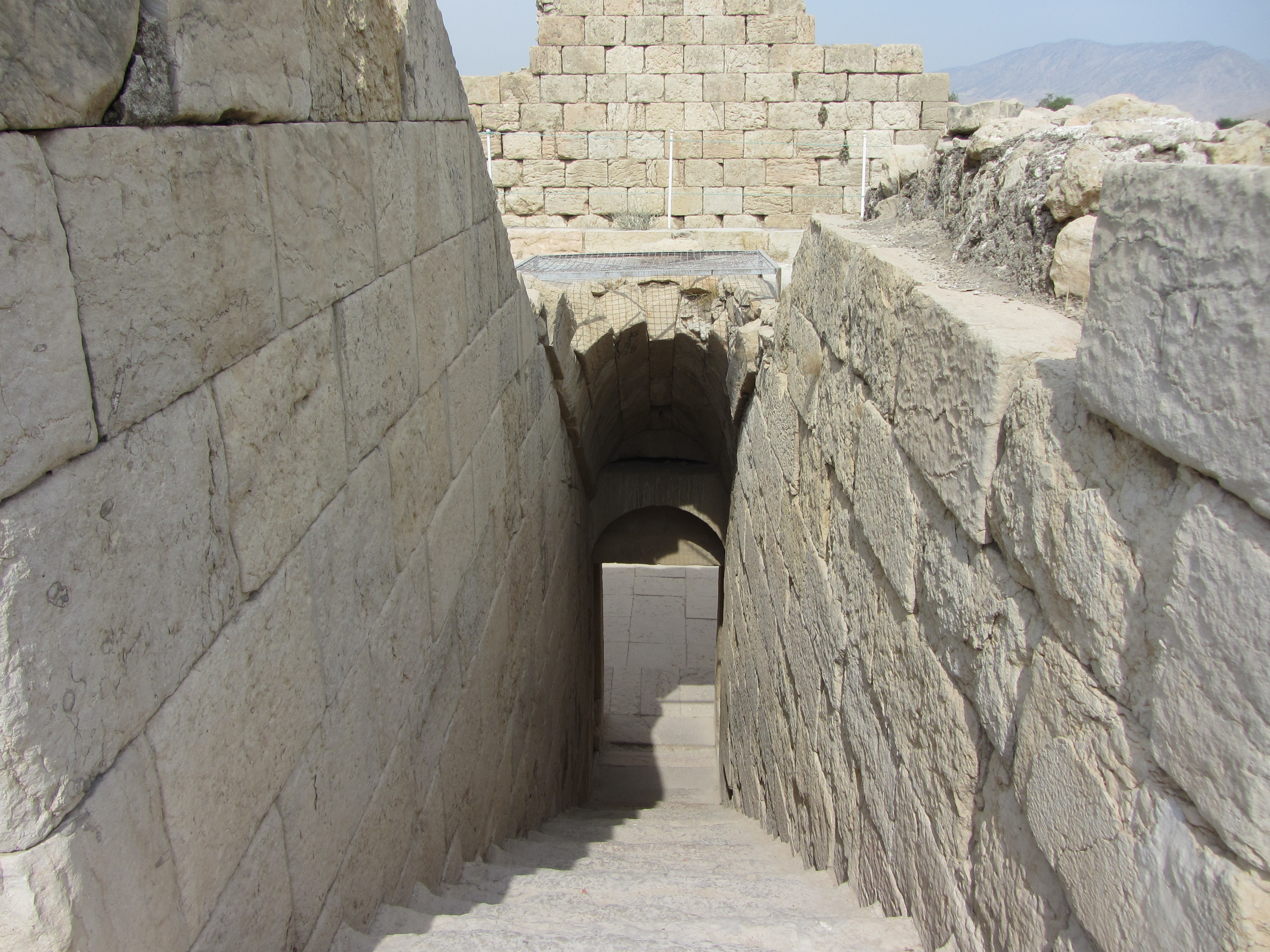
Water flowed through this temple on purpose. The builders of the Temple of Anahita at Bishapur did not simply place an altar beside a river and call it sacred. They engineered a system to divert the Shapur River, 250 meters away, into the temple itself, channeling it through the open-roofed interior and draining it out through an underground qanat. The goddess Anahita presided over water, fertility, and wisdom in the Zoroastrian tradition, and worshipping her meant bringing the river indoors. Built in the second half of the 3rd century AD on the orders of Shapur I, one of the most powerful Sasanian kings, this temple was not a quiet place of contemplation. It was architecture in conversation with the natural world.
The City Shapur Built
Bishapur was Shapur I's creation, a royal city 15 kilometers west of modern Kazerun in Iran's Fars Province. The name itself means "Beautiful City of Shapur." As one of the capitals of the Sasanian Empire, it served as both administrative center and showcase for the king's ambitions. Shapur I defeated the Roman Emperor Valerian at the Battle of Edessa in 260 AD and used Roman prisoners of war as laborers to build his city. The royal citadel included a palace, a ceremonial hall decorated with elaborate mosaics, a fire temple, and this temple to Anahita, all clustered together in the northeastern quarter. The entire Bishapur complex is now recognized as a UNESCO World Heritage Site.
Stone Without Mortar
The temple is a massive rectangular chamber, nearly 14 meters on each side, sunk into a depression about 6 meters below the surrounding ground level. Its walls are double-layered, built entirely of precisely carved limestone blocks fitted together without mortar, a technique borrowed from the Achaemenid architectural tradition that preceded the Sasanians by centuries. Iron fasteners bind the stones to one another. A staircase once connected the temple directly to the royal palace, allowing the king to descend into this sunken sanctuary. The absence of a roof was deliberate. Open to the sky, the temple received both rain and the diverted waters of the Shapur River, making it a kind of sacred basin where the elements converged.
The Goddess of Living Waters
Anahita held a singular place in the Zoroastrian pantheon. She governed all the waters of the world, from rivers to rainfall, and was associated with fertility, healing, and purification. During certain seasons, when the Shapur River's flow was directed into the temple, worshippers performed ritual ablutions before proceeding to the adjacent fire temple. Water purified; fire illuminated. The pairing of these two temples side by side was theological architecture, a spatial expression of Zoroastrian dualism. Seasonal celebrations brought the temple to life as a gathering place. What remains today are the walls, the corridors, the iron-clamped stones, but imagining the water rushing through transforms the ruin from static monument into kinetic machine.
Unearthed Twice
French archaeologist Roman Ghirshman first excavated Bishapur in 1935, producing detailed sketches of the Anahita Temple's side corridors. Then silence fell over the site for decades. In 1968, Iranian archaeologist Ali Akbar Sarfaraz resumed the work, spending years uncovering, restoring, and organizing the temple's remains. The temple was among Iran's earliest registered national monuments, designated in 1931. Today the site stands open to visitors, its massive stone walls still testifying to the engineering ambition of an empire that saw no contradiction between devotion and hydraulics. The carved stones remain precisely fitted after seventeen centuries, each block holding its neighbor in place without the aid of mortar, exactly as Shapur's builders intended.
From the Air
Located at 29.78N, 51.58E in the Zagros foothills of Fars Province, Iran. The ancient city of Bishapur sits in a river valley approximately 15 km west of modern Kazerun. From altitude, look for the Shapur River winding through the valley with archaeological ruins visible on its banks. The nearest major airport is Shiraz International Airport (OISS), approximately 120 km to the southeast. The terrain is mountainous with narrow valleys, typical of the Zagros range. Nearby rock reliefs carved into the Tang-e Chogan gorge walls are also visible from lower altitudes.