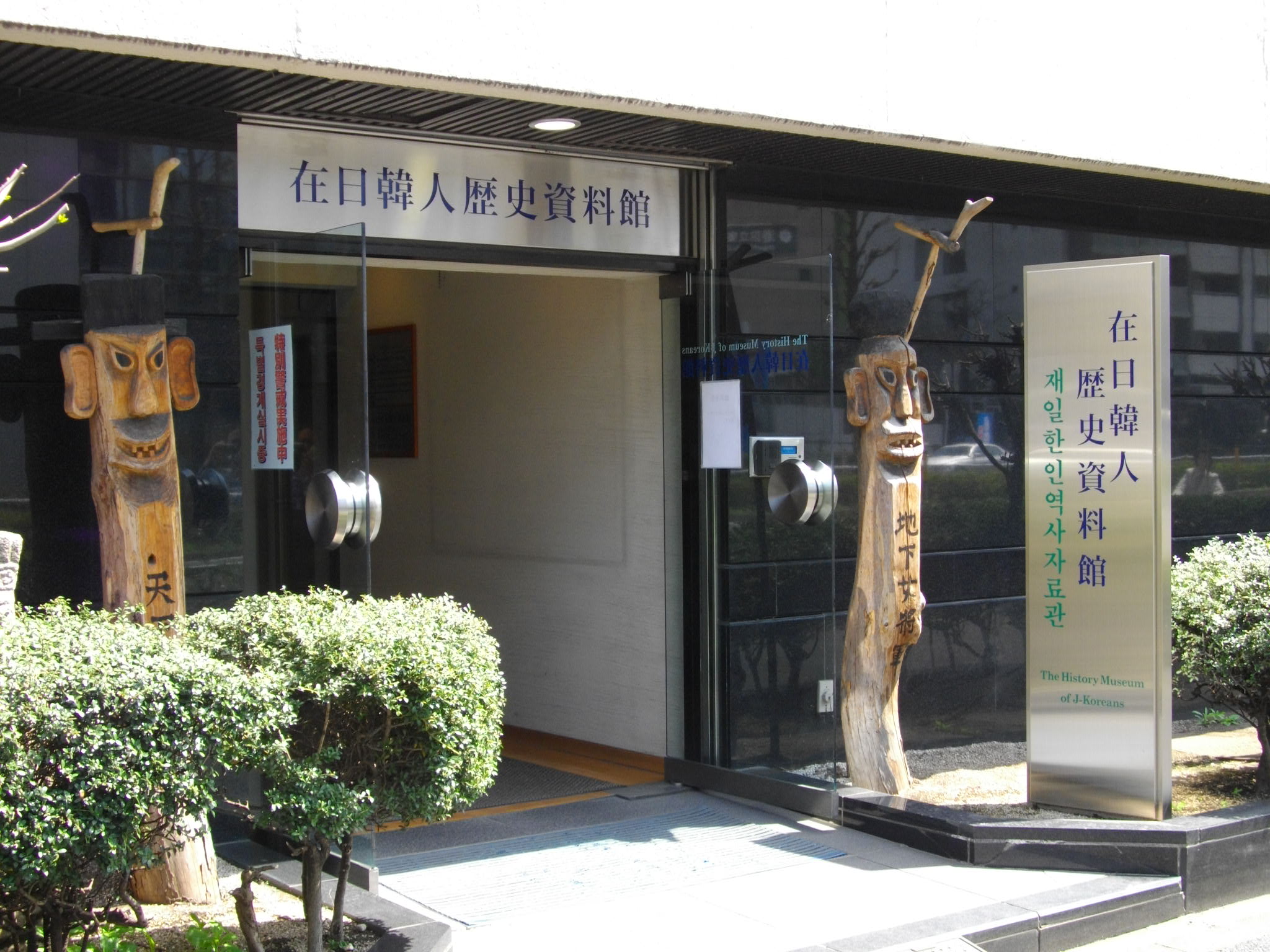
The History Museum of J-Koreans
Even its name was a negotiation. When the Korean community in Japan set out to build a museum dedicated to their own history, one of the first arguments was over what to call themselves. The term 'Han,' aligned with South Korea, won out over 'Joseon,' the word used by the North. That tension -- between identities, allegiances, and the simple question of who gets to define a people -- runs through every corridor of the History Museum of J-Koreans, a small institution in Tokyo's Minato ward that has quietly amassed over 70,000 artifacts since opening on November 24, 2005. Most Tokyoites have never heard of it. That is precisely why it exists.
A Race Against Forgetting
The museum was born from urgency. In the 1980s, the first generation of Koreans who had come to Japan during the colonial era began to die, and with them went the firsthand memories of forced labor, displacement, and the painstaking construction of new lives in a foreign country. The Korean community in Japan started collecting documents, photographs, and personal belongings, but the growing archive had no permanent home. In 1995, on the fiftieth anniversary of Korea's liberation from Japanese rule, historian Park Gyeong-sik launched a campaign to create a dedicated museum. The effort stalled. It took another seven years before Mindan, the Korean Residents Union in Japan, pledged the financial backing needed to make the dream real. The goal was to open by 2005, the sixtieth anniversary of liberation. They made it.
Declarations and Massacres
The museum's permanent exhibits begin in the late Joseon period, when significant numbers of Koreans first moved to Japan. The most striking displays center on moments of courage and catastrophe. One exhibit covers the February 8 Declaration of Independence in 1919, when Korean exchange students in Tokyo declared their support for Korean sovereignty, weeks before the larger March 1st Movement erupted across the peninsula. Another confronts the Kanto Massacre of 1923, when ethnic Koreans were lynched by mobs acting on baseless rumors that Koreans had poisoned wells and set fires after the Great Kanto Earthquake. The museum documents forced labor under colonial rule and the systemic discrimination that followed Koreans into peacetime. These are not comfortable stories. The museum tells them anyway.
Seventy Thousand Objects, Thirty-Two Thousand Visitors
For a collection of over 70,000 artifacts, the audience has been remarkably small. In the decade from the museum's opening through 2015, just 32,000 people walked through its doors -- an average of fewer than nine visitors per day. The split is roughly even between Korean and Japanese visitors. The museum has struggled with visibility, unknown to most of the Japanese public and many South Korean tourists. Beginning in 2021, the institution launched a digitization effort to catalog and preserve its entire collection, a project that underscores both the fragility of the archive and the determination to make it accessible beyond the physical walls of a single building in Minato.
Between Two Koreas, Inside Japan
The naming debate that preceded the museum's opening reveals a deeper fracture within the Zainichi Korean community. Mindan, the museum's primary backer, is aligned with South Korea. Chongryon, the rival organization, is aligned with the North. The choice to use the South Korea-associated term 'Han' in the museum's name was deliberate and political. The museum sits near Okubo, Tokyo's Koreatown, where Korean barbecue smoke drifts over streets lined with hangul signage. In Seoul, a counterpart institution -- the Museum of Japanese Colonial History in Korea -- tells a complementary story from the opposite shore. Together, these museums form an unofficial dialogue across the Sea of Japan, each preserving a version of a shared and painful history that neither country's mainstream narrative fully embraces.
From the Air
Located at 35.652N, 139.737E in Tokyo's Minato ward. From the air, the museum sits in the dense urban fabric south of the Imperial Palace grounds. Nearest airports: Tokyo Haneda (RJTT) approximately 7 nm south, Narita International (RJAA) approximately 37 nm east-northeast. Best viewed at 2,000-3,000 feet AGL. The area near Okubo Koreatown to the north is identifiable by its distinctive commercial signage district along Shinjuku's western edge.