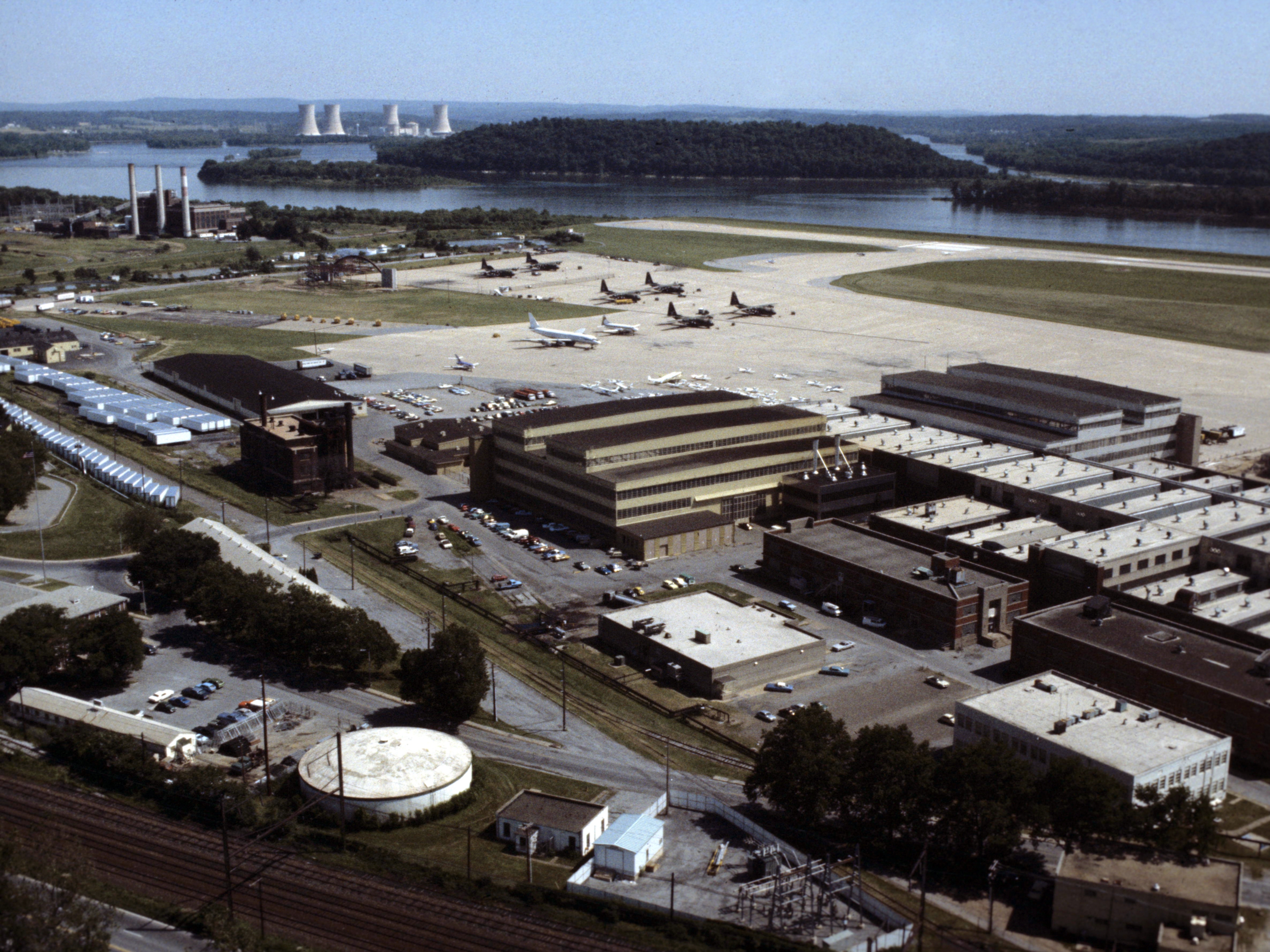
Three Mile Island
At 4:00 AM on March 28, 1979, a series of equipment malfunctions, design flaws, and human errors triggered a partial meltdown at the Three Mile Island Nuclear Generating Station near Harrisburg, Pennsylvania. Over the following days, as officials struggled to understand what was happening inside the reactor and whether it might explode, 140,000 people fled the surrounding area. The worst nuclear accident in American history had begun. In the end, no one died directly from the accident - though health effects remain disputed. But Three Mile Island killed something else: America's faith in nuclear power. The accident transformed public opinion overnight, galvanized the anti-nuclear movement, and effectively ended new nuclear plant construction in the United States for three decades. The cooling towers of Three Mile Island became icons of technological failure, symbols of the moment when the atomic dream became a nightmare.
The Promise of Atoms
Three Mile Island's Unit 1 reactor began operating in 1974, Unit 2 in 1978. They represented the fulfilled promise of nuclear power: clean, cheap electricity from atoms split in controlled reactions, the same forces that had destroyed Hiroshima now harnessed to boil water and spin turbines. By 1979, nuclear power provided over 10% of America's electricity, and dozens of new plants were under construction or planned. The industry had operated for decades with an excellent safety record. Fears about radiation, waste, and accidents were dismissed by experts as irrational. The Nuclear Regulatory Commission assured the public that a serious accident was virtually impossible - the odds were calculated at one in a million per reactor-year. Then the odds caught up with Three Mile Island.
The Accident
At 4:00 AM on March 28, a routine maintenance procedure caused the main feedwater pumps to stop, triggering an automatic shutdown of the reactor. But a pressure relief valve that should have closed stuck open, allowing coolant to drain from the reactor core. Operators, misreading their instruments, compounded the problem by shutting off emergency cooling systems, believing the core was being overfilled when it was actually being uncovered. By the time they understood what was happening, roughly half the fuel in the reactor had melted. Radioactive gases were released into the atmosphere. No one knew whether the containment building would hold or whether a hydrogen bubble forming in the reactor might explode. The crisis would continue for days.
The Fear
The public learned about the accident through confused and contradictory announcements. Plant owners initially downplayed the severity. State officials didn't know what to believe. The Nuclear Regulatory Commission's advice evolved hourly. On March 30, Governor Richard Thornburgh advised pregnant women and young children within five miles of the plant to evacuate. Within days, 140,000 people had fled - far more than officially advised - jamming highways in what became the largest peacekeeping evacuation in American history. For a population raised on nuclear war drills and The China Syndrome (a film about a nuclear meltdown released twelve days before the accident), the fear was visceral. The accident coincided with an era when Americans were losing faith in institutions - Vietnam, Watergate, the energy crisis. Nuclear power became another broken promise.
The Aftermath
The physical cleanup of Three Mile Island took fourteen years and cost nearly $1 billion. Workers in protective suits slowly removed the melted fuel, confirming that about half the core had liquefied. The containment building had held; the worst-case scenario hadn't occurred. Studies of health effects remain contentious - some found elevated cancer rates, others didn't. What's undeniable is the effect on the nuclear industry. In 1979, over 100 reactors were planned or under construction in America. Nearly all were canceled. No new reactors were ordered for three decades. The American nuclear dream, which had promised electricity 'too cheap to meter,' was effectively over. Unit 1 continued operating until 2019, its cooling towers visible reminders of the accident. Unit 2 remains in monitored storage, awaiting final decommissioning.
Visiting Three Mile Island
Three Mile Island lies in the Susquehanna River south of Harrisburg, Pennsylvania. The plant is not open to public tours - Unit 2 remains a secured radiological site. However, the distinctive cooling towers are visible from multiple vantage points along the river and Route 441. The TMI Historical Society operates a small museum in nearby Middletown with exhibits on the accident. The Pennsylvania State Capitol Complex in Harrisburg includes archives related to the crisis response. Goldsboro, on the west bank of the river directly across from the plant, offers the closest views. The site is a peculiar destination - there's nothing to do but look at the towers and contemplate what happened and what it meant. For those interested in the intersection of technology, fear, and public policy, Three Mile Island remains one of the defining places of the twentieth century. Harrisburg International Airport (MDT) is 10 miles south.
From the Air
Located at 40.15°N, 76.73°W on an island in the Susquehanna River, 10 miles south of Harrisburg, Pennsylvania. From altitude, Three Mile Island is immediately recognizable by its four cooling towers (two for each unit). The plant occupies the northern portion of the island. Harrisburg is visible to the north. The surrounding landscape is a mix of farmland and small towns.