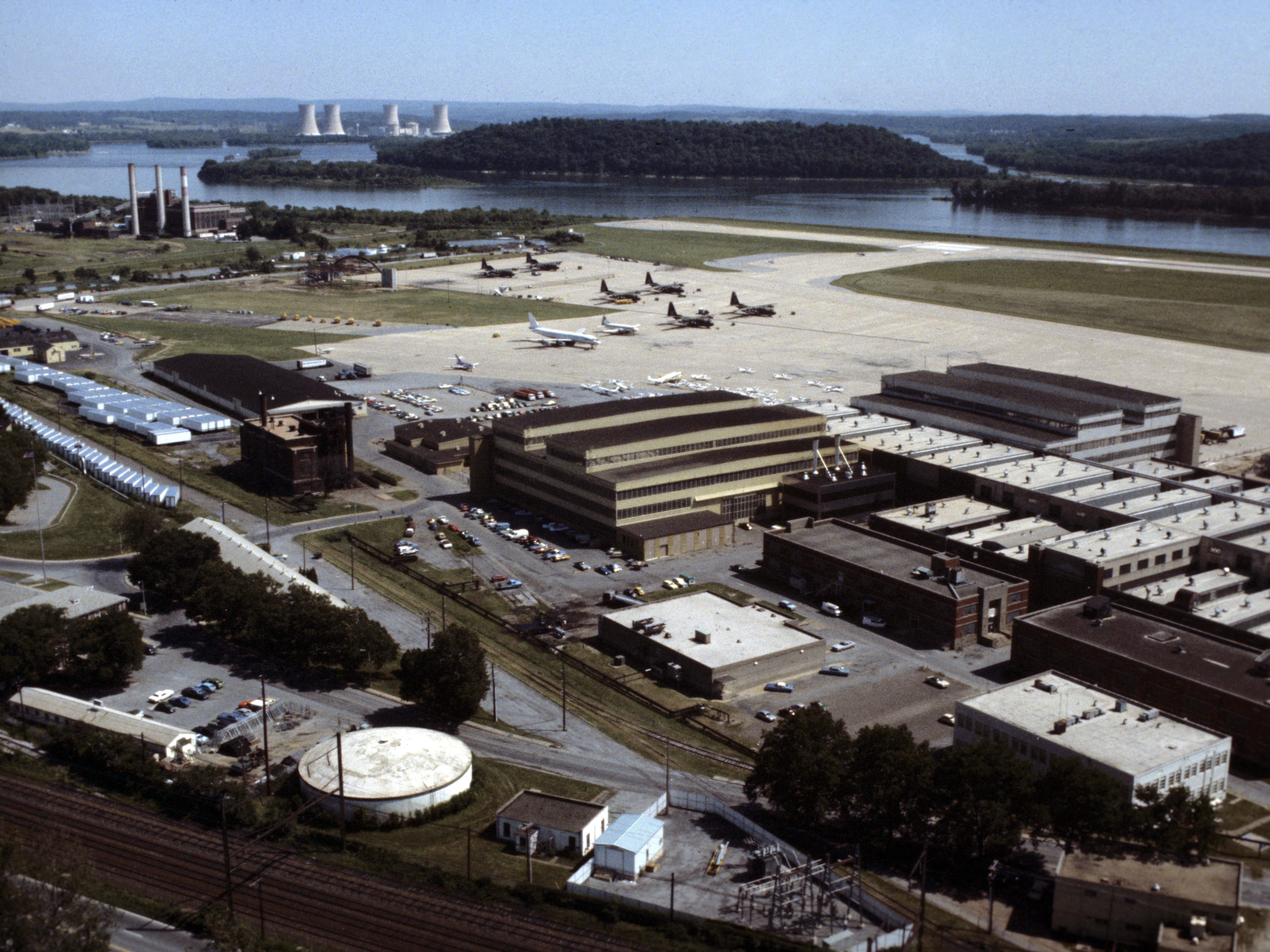
Three Mile Island: The Accident That Stopped Nuclear America
At 4 AM on March 28, 1979, a relief valve stuck open at Three Mile Island's Unit 2 reactor. Operators, misreading instruments, made decisions that made the situation worse. Within hours, half the reactor core had melted. Radioactive gases vented into the atmosphere. The governor advised pregnant women and young children to evacuate. For five days, the nation watched what appeared to be an unfolding nuclear disaster. Then it didn't unfold. The containment held. Radiation releases were minimal. No deaths resulted from the accident. But the psychological damage was done. Three Mile Island killed new nuclear construction in America for decades. The reality was less catastrophic than feared; the fear was more powerful than the reality.
The Accident
A pump failure, a stuck valve, and confused operators created a cascading failure. Coolant drained from the reactor; the core overheated; fuel rods ruptured. Operators, trained on normal operations, struggled to understand the anomaly. Indicators gave conflicting information. Decisions that seemed reasonable made the meltdown worse. By the time the situation stabilized, roughly half the core had melted. The molten fuel remained inside the reactor vessel - if it had breached containment, the disaster could have been far worse. The accident revealed how complex systems fail: not through single dramatic errors but through chains of small problems compounding.
The Response
Public communication was chaotic. Initial statements minimized the accident; subsequent revelations eroded trust. Governor Dick Thornburgh's advisory that pregnant women and young children evacuate triggered panic among the general population - 140,000 people fled despite no official general evacuation order. President Carter, a former nuclear engineer, toured the plant to demonstrate confidence. The NRC was caught unprepared for managing a crisis and public perception simultaneously. The media, including 'The China Syndrome' film released twelve days earlier, primed audiences for nuclear disaster. Fear exceeded physical danger by orders of magnitude.
The Impact
Radiation releases were minimal - average exposure to people within 10 miles was approximately 8 millirem, comparable to a chest X-ray. No demonstrable health effects resulted from the accident. But the nuclear industry collapsed anyway. No new reactors were ordered after Three Mile Island; dozens of planned plants were canceled. Public trust in nuclear safety - and in utility companies' honesty - evaporated. The accident became a reference point: any technological crisis risked being called 'another Three Mile Island.' The industry eventually recovered, but decades were lost to fear that the technical reality didn't justify.
The Site Today
Unit 2 was too damaged to restart; it remained in monitored storage for decades before decommissioning began. Unit 1 continued operating until 2019, when economic pressure from cheap natural gas forced closure. The cooling towers still stand - the iconic structures visible for miles - but the plant is shut down. Cleanup of Unit 2 removed the damaged fuel; the site awaits final decommissioning. The towers have become landmarks, paradoxically generating nostalgia for the industrial era they represent, their visibility a constant reminder of what happened and what was feared.
Visiting Three Mile Island
Three Mile Island is located on the Susquehanna River south of Harrisburg, Pennsylvania. The plant is closed and not open to visitors. The cooling towers are visible from public roads and the river; they've become an unexpected tourist attraction. The State Museum of Pennsylvania in Harrisburg includes exhibits on the accident. The area around the plant shows no visible legacy of the 1979 crisis - the disaster was contained, literally and metaphorically. Visitors seeking understanding of the accident will find more in museums and books than on site. What remains is landscape: a river island with towers, a monument to the nuclear age that almost arrived and then didn't.
From the Air
Located at 40.15°N, 76.73°W on the Susquehanna River south of Harrisburg, Pennsylvania. From altitude, Three Mile Island is easily identified by its cooling towers - distinctive hourglass-shaped structures visible for miles. The island sits in the middle of the river, the plant occupying most of its surface. Harrisburg is visible to the north. The surrounding landscape is typical central Pennsylvania: agricultural land, small towns, the river winding through gentle terrain. The towers that became symbols of nuclear fear are now monuments to an industry that stalled. The plant is silent now, visible from aircraft as a relic of a future that was planned but never fully arrived.