Tigre
The morning sun slants through the willows as wooden commuter boats chug along narrow waterways, their passengers trading the concrete towers of Buenos Aires for something older and stranger. This is Tigre, a city named not for its feline residents today but for the jaguars that once prowled these wetlands, hunted by colonial settlers until they vanished into memory. Just an hour from Argentina's capital, Tigre sits at the edge of the Parana Delta, one of the world's great river systems, where thousands of islands scattered across 14,000 square kilometers create a watery maze that feels more like the Amazon than suburban Buenos Aires. On weekends, porteños flood here by the thousands, seeking boat rides through channels shaded by dense subtropical vegetation, antique hunting in riverside markets, and fresh-caught fish at waterfront restaurants.
Gateway to the Delta
Tigre serves as the principal portal to the Parana Delta, where the great river fragments into countless channels before emptying into the Rio de la Plata. From the city's docks, boats depart constantly, ranging from massive commuter catamarans that serve as floating buses for delta residents to intimate wooden lanchas available for private tours. The delta itself is a world apart, where houses perch on stilts, children row to school, and addresses are given not by street numbers but by river names and kilometer markers. The absence of roads means everything arrives by water, from groceries to building materials, creating a rhythm of life unchanged for over a century.
The Scenic Railway
Two railway lines connect Tigre to Buenos Aires, but only one offers a journey worth making for its own sake. The Tren de la Costa hugs the riverbank through some of Greater Buenos Aires's most affluent suburbs, passing restored stations now converted into shopping galleries, outdoor cafes, and craft markets. The ride from Maipu station to Delta station takes passengers through leafy San Isidro and past the presidential residence at Olivos, offering glimpses of another Argentina, one of English-style gardens and colonial mansions. The Mitre Line offers the faster, more practical route from Retiro Station, but misses the elegance of the coastal alternative.
Antiques and Artifacts
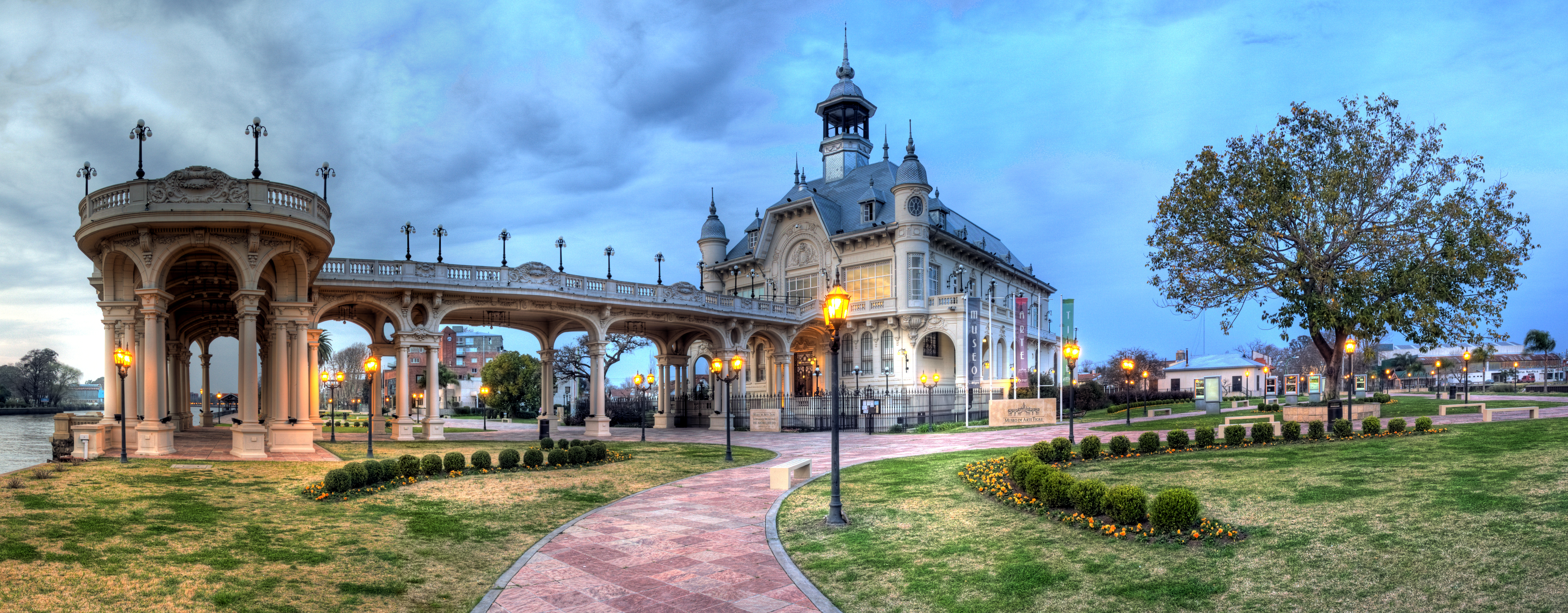
Puerto de Frutos, Tigre's sprawling waterfront market, draws collectors and curious browsers alike to its maze of stalls selling everything from genuine colonial antiques to rustic delta handicrafts. The market takes its name from the fruit boats that once unloaded here, bringing oranges and lemons from delta orchards to feed the capital. Today the commerce has shifted to wicker furniture, leather goods, and the delicate carved wooden objects that delta artisans have crafted for generations. Beyond the market, Tigre's streets reveal a genteel past in their Victorian rowing clubs and belle epoque mansions, remnants of an era when the city served as a fashionable weekend retreat for Argentina's elite.
Island Escapes
For those seeking something beyond a day trip, Isla Martin Garcia lies several hours downstream in the Rio de la Plata, reachable by ferry from Tigre's international pier. This quiet island represents Argentina's only dry land border with Uruguay and carries a history far weightier than its small size suggests. Former presidents were imprisoned here, including Juan Peron, and the island's old buildings whisper of naval bases and quarantine stations. But today Martin Garcia offers only peace, its forests threaded with walking paths and its shores unmarked by development. Overnight stays are possible for those wanting to wake to birdsong rather than traffic.
From the Air
Located at 34.41 degrees S, 58.58 degrees W, at sea level in the Parana Delta. The delta's distinctive pattern of islands and waterways is clearly visible from altitude. Nearest major airports: Aeroparque Jorge Newbery (SABE), 25 km south; Ezeiza International (SAEZ), 55 km south. The sprawling wetlands extend northwest from the city, contrasting sharply with Buenos Aires's urban grid to the south.