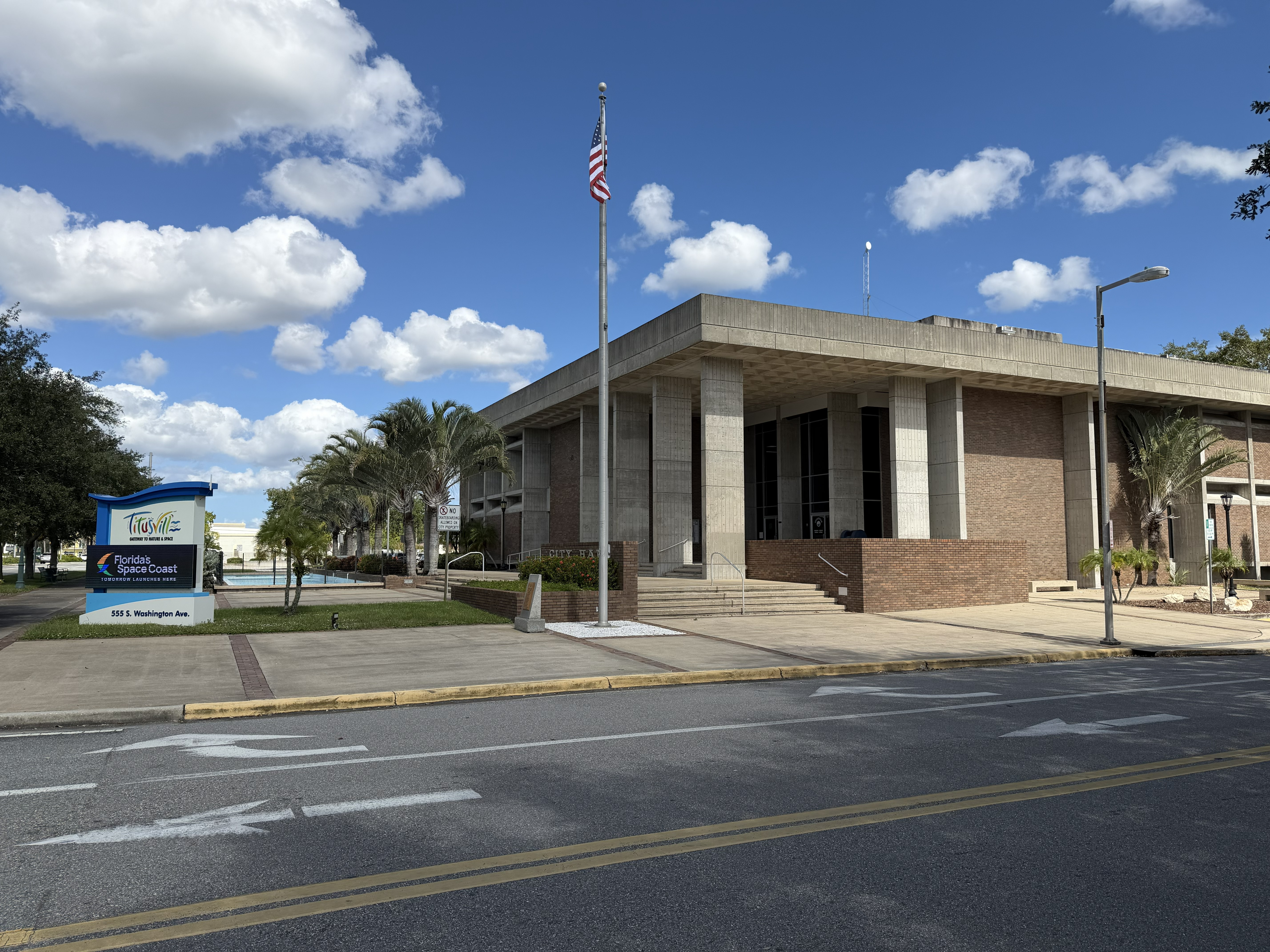
Titusville: The Best Seat for Rocket Launches
When a rocket launches from Kennedy Space Center or Cape Canaveral Space Force Station, the best free views are from Titusville. The city sits directly across the Indian River from the launch pads, close enough to feel the rumble in your chest, far enough for the full spectacle of flame and smoke rising into blue sky. Space View Park fills with locals and tourists spreading blankets on the grass; the Astronaut Hall of Fame draws visitors between launches; aerospace contractors who build and launch the rockets live in subdivisions along the river. Titusville's fortunes have risen and fallen with the space program - booming during Apollo, depressed after Shuttle cancellations, reviving as SpaceX and commercial spaceflight bring new missions. The city exists because of the Space Coast, and the Space Coast's drama plays out in the sky above the Indian River.
Launch Viewing
Every launch from Kennedy Space Center or Cape Canaveral is visible from Titusville, roughly 12 miles across the Indian River Lagoon. Space View Park, at the end of Broad Street downtown, offers unobstructed sightlines; locals bring chairs and coolers, tracking countdowns on phones until the plume appears above the trees. The experience differs by rocket: Falcon 9s are routine now but still spectacular; Falcon Heavy's three-core ignition draws larger crowds; Artemis launches are events that fill every hotel room on the Space Coast. Night launches turn the sky orange; day launches leave white contrails against blue. The rumble arrives seconds after ignition, sound trailing light across the lagoon.
Aerospace Town
Titusville exists as a bedroom community for Kennedy Space Center, its economy tied to launch schedules and NASA contracts. The city boomed during Apollo, when 26,000 people worked on the moon program; it struggled after Shuttle ended and SpaceX hadn't yet revived the cape. Today's space workforce is smaller but growing - SpaceX, Boeing, Lockheed Martin, and dozens of contractors employing engineers and technicians who live in Titusville's affordable subdivisions. The American Space Museum downtown preserves artifacts and memorabilia; the Astronaut Hall of Fame honors those who flew. Local businesses cater to aerospace workers and the tourists they attract.
Space Coast Gateway
Kennedy Space Center Visitor Complex, across the causeway from Titusville, is the Space Coast's main attraction - Space Shuttle Atlantis on display, the Saturn V rocket in its hangar, bus tours to launch pads and the Vehicle Assembly Building. Canaveral National Seashore preserves 24 miles of undeveloped Atlantic beach north of the cape, accessible from Titusville via Playalinda Beach. Merritt Island National Wildlife Refuge surrounds the space center, 140,000 acres where alligators and manatees share habitat with launch pads. Titusville serves as the gateway to all of it, the last significant town before the restricted areas begin.
Indian River Living
The Indian River Lagoon, separating Titusville from Cape Canaveral, is North America's most biodiverse estuary - 4,300 species of plants and animals in a 156-mile-long system connecting rivers and sounds. Fishing, kayaking, and manatee watching draw outdoor enthusiasts; marinas line the Titusville waterfront. The historic downtown, centered on Washington Avenue, preserves early 20th-century commercial buildings now housing antique shops and restaurants. St. Gabriel's Episcopal Church and the Pritchard House represent Victorian-era architecture from before rockets made the area famous. Titusville feels like small-town Florida - quieter than the beach communities to the south, defined by the lagoon and the launches.
Space Coast Position
Orlando International Airport (MCO) is 45 miles west, the standard arrival point for Space Coast visitors. I-95 runs through Titusville; US-1 follows the coast. The Kennedy Space Center causeway (State Road 405) crosses the Indian River to the visitor complex and restricted areas beyond. Melbourne and Cocoa Beach lie south along the barrier island; Daytona Beach is an hour north. From altitude, Titusville appears as development along the Indian River's western shore - the Kennedy Space Center visible across the water, the Vehicle Assembly Building's distinctive cube unmistakable, launch pads visible on clear days. What appears from the air as a modest Florida town is the best seat for humanity's attempts to leave the planet.
From the Air
Located at 28.59°N, 80.82°W on the Indian River Lagoon in Florida's Space Coast region, directly across from Kennedy Space Center. From altitude, Titusville appears as development along the lagoon's western shore - the Vehicle Assembly Building visible across the water, the launch pads of Kennedy Space Center and Cape Canaveral Space Force Station on the barrier island. What appears from the air as a modest Florida river town is where locals gather to watch rockets rise from the cape 12 miles away.