Tokaimura Nuclear Accidents: The Village That Lived With the Atom
On the morning of September 30, 1999, three technicians at a fuel processing plant in Tokai, Ibaraki Prefecture, poured a bucket of uranyl nitrate solution into the wrong tank and triggered an uncontrolled nuclear chain reaction. A blue flash lit the room. Two of the three men would be dead within months. The village of Tokai -- just seventy miles northeast of Tokyo -- had already survived one nuclear incident two years earlier. Nearly a third of its population worked in the nuclear industry. The atom was not an abstraction here. It was a paycheck, a neighbor, and now, twice, a catastrophe.
Japan's Nuclear Cradle
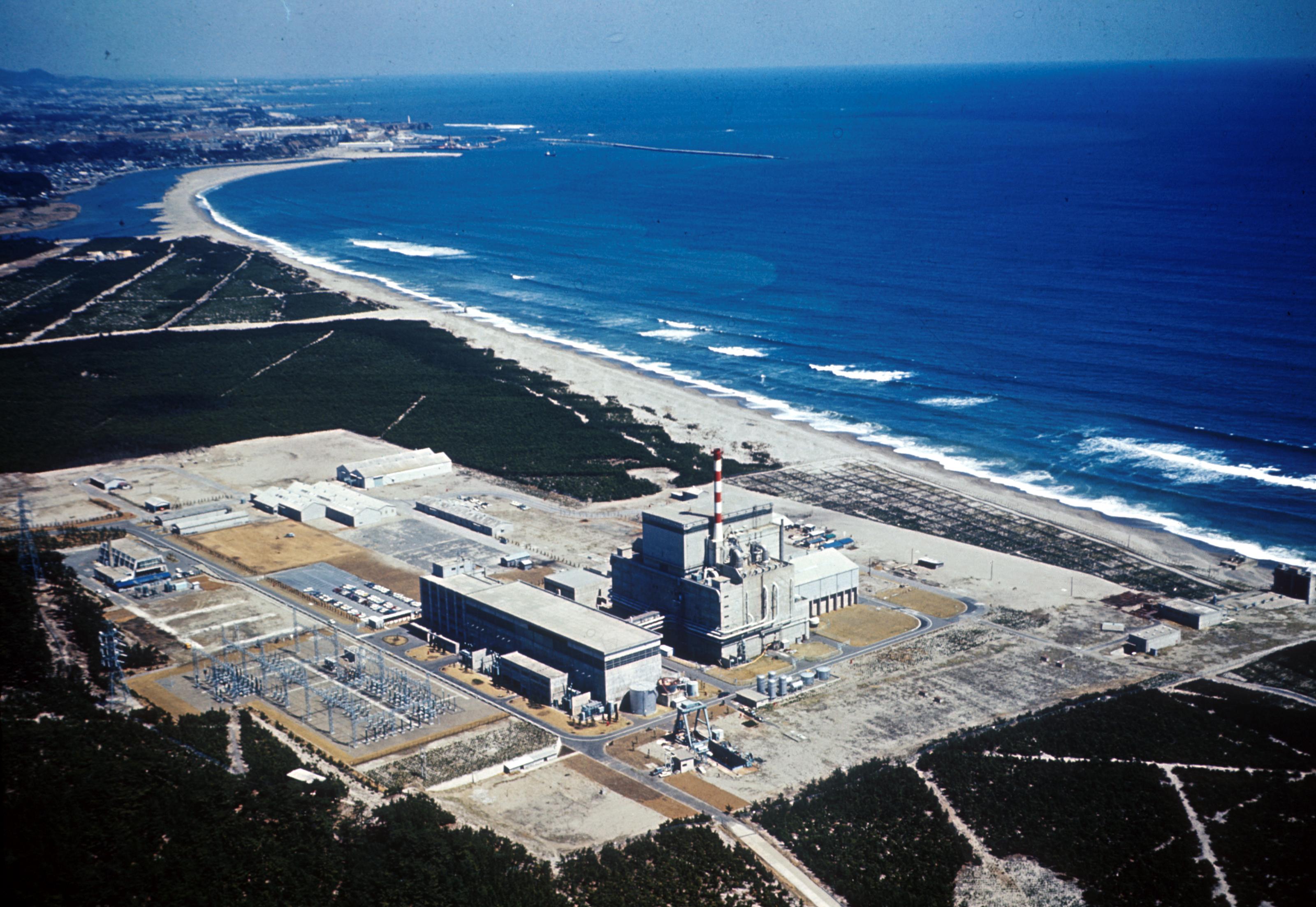
Tokai became Japan's nuclear heartland almost by geography. Open land and proximity to Tokyo made it ideal, and in the decades after World War II, the village accumulated experimental reactors, fuel fabrication plants, enrichment facilities, and finally the Tokai Nuclear Power Plant -- the country's first commercial nuclear power station. Dozens of companies and government institutes followed. The nuclear complex sprawled across the coastal plain of Ibaraki Prefecture, and Tokai's economy became inseparable from the industry. By the late 1990s, the village hosted one of the densest concentrations of nuclear facilities in the world. The infrastructure was impressive. The safety culture was not.
Fire and Falsehood
The first serious warning came on March 11, 1997, at the Power Reactor and Nuclear Fuel Development Corporation's bituminization facility. Workers were testing a new asphalt-waste mixture -- using twenty percent less bitumen than the standard formula -- when a chemical reaction ignited a barrel of the hot material at 10:00 a.m. The fire spread to adjacent barrels. Workers failed to fully extinguish the blaze, and at 8:00 p.m., accumulated flammable gases exploded, blowing out windows and doors. Smoke and radioactive contamination escaped into the surrounding area. Thirty-seven workers received radiation exposure. A week later, meteorological officials detected elevated caesium levels twenty-five miles southwest of the plant. The government's Science and Technology Agency rated the incident a Level 3 on the International Nuclear Event Scale -- Japan's worst nuclear accident at the time. But the institutional response was worse than the explosion. Management ordered two employees to falsify the timeline of events, and officials initially reported radiation increases at twenty percent of actual levels before admitting the true figure was ten times higher.
The Blue Flash
Two years later and four miles away, the consequences of negligence turned fatal. On September 30, 1999, technicians Hisashi Ouchi, Masato Shinohara, and their supervisor Yutaka Yokokawa were processing enriched uranium at a JCO facility -- a subsidiary of Sumitomo Metal Mining. They were manufacturing fuel for an experimental reactor using an unapproved procedure that the company had never submitted for regulatory review, knowing it would be rejected. Under pressure from reduced revenue and layoffs, the workers bypassed the specially designed buffer tanks entirely and poured uranyl nitrate solution -- containing nearly seven times the legal mass limit -- directly into a wide precipitation tank whose geometry was favorable to criticality. The moment the seventh bucket went in, uncontrolled nuclear fission began. The chain reaction emitted intense gamma and neutron radiation continuously for nearly twenty hours. Ouchi, draped over the tank, absorbed the highest dose. He and Shinohara immediately experienced pain, nausea, and difficulty breathing.
Eighty-Three Days
The aftermath unfolded in concentric rings of suffering. Within hours, 161 people from 39 households within 350 meters were evacuated. Twelve hours after the incident, 300,000 surrounding residents were told to shelter indoors and halt all agricultural activity. At the University of Tokyo Hospital, Hisashi Ouchi, age 35, endured eighty-three days of treatment. The radiation had shattered his chromosomes beyond recognition -- a micrograph showed only scattered fragments where intact DNA should have been. His body could not generate new cells. Doctors attempted peripheral blood stem cell transplantation, then a new and experimental procedure. Small patches of skin recovered briefly, but his overall condition deteriorated relentlessly. Masato Shinohara, age 40, survived seven months through radical cancer treatments and skin grafts before succumbing to lung and kidney failure on April 27, 2000. Their supervisor Yokokawa was released after three months with minor radiation sickness and later faced negligence charges.
Lessons Written in Radiation
The International Atomic Energy Agency concluded that both Tokai accidents resulted from "human error and serious breaches of safety principles." The 1999 incident was classified as Level 4 on the International Nuclear Event Scale -- an irradiation accident, not contamination. In a surreal postscript, residents were asked to lend their gold jewelry to scientists, who used it to estimate the neutron flux the public had been exposed to. The accidents did not end nuclear power in Tokai. Japan continued to expand its reactor fleet until the Fukushima Daiichi disaster of 2011 brought the industry to its knees. But Tokaimura remains a permanent case study in what happens when economic pressure overrides safety protocols, when training is neglected, when regulators stop inspecting, and when the people closest to the danger are the last ones told the truth.
From the Air
Located at 36.48N, 140.55E on the Pacific coast of Ibaraki Prefecture, approximately 70 miles (110 km) northeast of Tokyo. The Tokai nuclear complex is visible from altitude as a cluster of industrial facilities along the coast. Ibaraki Airport (RJAH) lies roughly 30 nautical miles to the southwest. The Pacific coastline and Naka River provide visual references. Best viewed at 3,000-5,000 feet AGL. The area is flat coastal plain with good visibility in clear weather.