Tokorozawa Aviation Museum
The wood-and-fabric biplane that started Japanese aviation still exists. It sits inside a museum built on the very ground where Captain Tokugawa Yoshitoshi nursed it into the air on April 5, 1911, climbing to ten meters above a freshly graded field in Saitama Prefecture. The Tokorozawa Aviation Museum occupies the birthplace of Japanese flight, and it treats that history not as a dusty archive but as a hands-on experience, complete with interactive exhibits, an IMAX theater, and a rotating collection of around 20 aircraft that spans from a World War I Nieuport 81 to Cold War-era jet trainers.
The Machines on the Ground
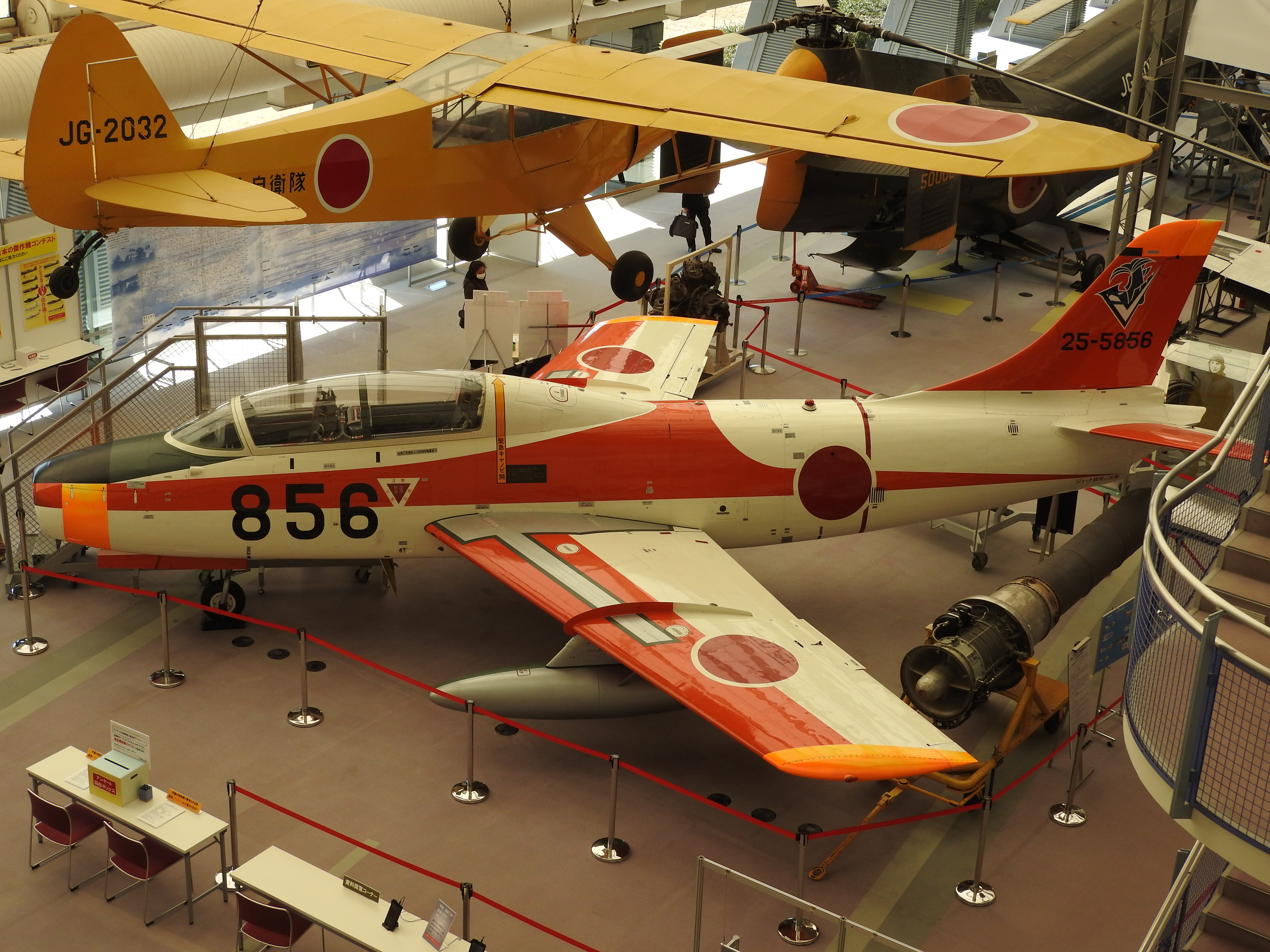
Two aircraft hold permanent positions outside the museum, anchoring the collection in the open air. A Curtiss EC-46A Commando, tail number 91-1143, sits on the grass -- the rugged twin-engine transport that hauled cargo across the Pacific during World War II and served Japan's postwar Self-Defense Forces. Beside it rests a NAMC YS-11, registration JA8732, the turboprop airliner that holds a singular distinction: it was the only postwar airliner wholly designed and manufactured in Japan, produced by a consortium of Japanese aerospace companies before the program ended and decades passed before another attempt with the ultimately cancelled Mitsubishi SpaceJet. Inside the museum, the collection rotates. A Bell H-13E Sioux helicopter, the bubble-canopied workhorse familiar from Korean War footage, shares floor space with a Fuji T-1 jet trainer, Japan's first domestically produced jet aircraft.
Ghost of the Zero
In 2016, a replica Nakajima Ki-27 Nate appeared in the museum's galleries. The fighter had been built as a prop for the 2015 Asahi TV drama "Tsuma to Tonda Tokkouhei" -- a story about kamikaze pilots -- and its presence in the museum added a layer of emotional weight to a collection that otherwise emphasizes engineering over warfare. The Ki-27 was the Imperial Japanese Army's primary fighter in the late 1930s, a nimble and maneuverable machine that dominated the skies over China and Manchuria before being outclassed by newer Allied designs. Displaying a dramatic replica alongside the real aircraft of other eras creates an unexpected dialogue between history as entertainment and history as hardware, between the stories we tell about war and the machines that actually flew in it.
Where Runways Became Exhibits
Step outside the museum and the original single runway from 1911 is still visible, incorporated into the surrounding Tokorozawa Aviation Memorial Park rather than paved over or erased. The runway has been reimagined as part of a multifunction green space, but its linear footprint remains legible from above, a ghost outline in the landscape. The museum opened in April 1993, eighty-two years after the airfield began operations, and it occupies a deliberate position within the park's layout: the building sits where maintenance hangars once stood, and the approach from Koku-koen Station on the Seibu Shinjuku Line follows the approximate path that early aviators would have taken from the rail depot to the flight line. The station itself, which opened in 1987, takes its name from the aviation park -- koku-koen literally means "aviation park" -- binding the identity of this suburban neighborhood to the machines that once buzzed overhead.
Thirty Minutes from the Future
The museum sits 30 to 45 minutes by train from the skyscrapers of Shinjuku, a journey that carries visitors from one of the most technologically advanced cities on Earth to a place where powered flight in Japan began with a single fragile biplane and a runway barely 400 meters long. That contrast is the museum's quiet power. Tokyo's airports now handle hundreds of millions of passengers; its aerospace industry builds components for spacecraft. But the starting point was here, in the flatlands of Saitama, where a military captain borrowed a French machine and proved that Japan could fly. The Henri Farman biplane that made that first flight is the museum's centerpiece and its conscience -- a reminder that every soaring ambition begins with a tentative few seconds above an open field.
From the Air
Located at 35.80N, 139.47E in Tokorozawa, Saitama Prefecture. The museum sits within Tokorozawa Aviation Memorial Park on the site of Japan's first airfield. The original 1911 runway outline is visible from low altitude as a linear clearing within the park. Nearest airports: RJTT (Tokyo Haneda, 45 km south), RJTY (Yokota Air Base, 15 km west), RJTJ (Iruma Air Base, 8 km northwest). Best viewed at 1,500-2,500 ft where the park's aviation-heritage layout is distinguishable. The YS-11 and Curtiss C-46 are visible as outdoor static displays near the museum entrance.