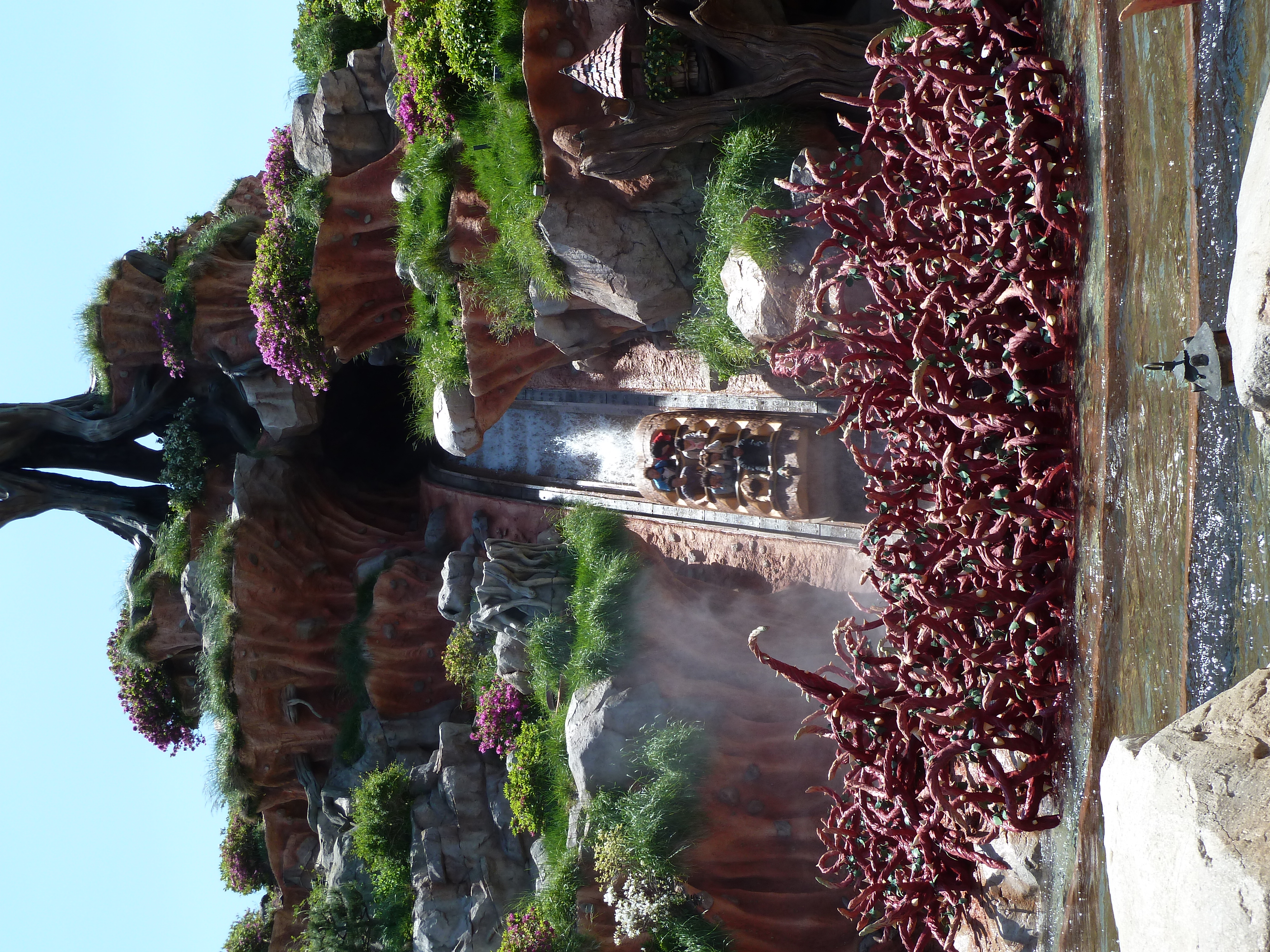
Tokyo Disneyland
Before Tokyo Disneyland, there was Nara Dreamland. In the late 1950s, a Japanese businessman named Kunizo Matsuo approached Walt Disney himself with a proposal to build a Disney park in the ancient city of Nara. Walt reportedly agreed, then backed out. Matsuo built the park anyway in 1961 -- a near-replica of Disneyland minus the characters, the intellectual property, and the magic. It limped along for decades before closing in 2006 and being demolished in 2017. The real thing, when it finally arrived on a 600-acre landfill along Tokyo Bay in 1983, proved that imitation is not the sincerest form of flattery. Authenticity is.
The Deal That Almost Wasn't
The road from Nara Dreamland to Tokyo Disneyland took nearly two decades of courtship. In February 1974, the Oriental Land Company formally invited Disney executives to Japan for a fact-finding tour. OLC president Chiharu Kawasaki traveled to Disney's headquarters that June to press the case, then invited the executives back again in December. The negotiations dragged on for five years. Finally, in April 1979, OLC president Masatomo Takahashi signed the initial contract for construction in Chiba Prefecture. Japanese engineers and architects flew to California to study the original Disneyland, and WED Enterprises -- now Walt Disney Imagineering -- designed the park in the same style as Disneyland in Anaheim and Magic Kingdom in Florida. The site itself was a 600-acre landfill that had been designated in the 1960s as a recreational area to address the Tokyo metropolitan region's growing appetite for entertainment.
A Castle Built on Landfill
Tokyo Disneyland opened on April 15, 1983, becoming the first Disney theme park outside the United States. Its Cinderella Castle is a near-exact copy of Florida's Magic Kingdom version. Fantasyland behind it houses classic dark rides through scenes from Snow White, Peter Pan, and Pinocchio. Adventureland splits into a New Orleans-themed area and a jungle zone, borrowing architectural DNA from Disneyland's New Orleans Square. Tomorrowland abandoned realistic future-gazing in favor of science-fiction fantasy, drawing on the 1971-1993 version of Florida's Tomorrowland. Space Mountain and Star Tours anchor the area. The park was designed with notably wide open spaces to accommodate the enormous crowds that would come to define it -- a practical concession that turned out to be prophetic.
More Than Japan's Population
The numbers border on absurd. By 1994, just eleven years after opening, over 149 million people had entered through Tokyo Disneyland's gates -- more than Japan's entire population of 127.6 million at the time. By 1996, the park employed 12,390 people, making it the largest single workplace in Japan's entertainment industry. Tokyo Disney Resort has consistently ranked among the most profitable Disney resorts worldwide. The park's success forced a philosophical question: should Tokyo Disneyland simply replicate the American originals, or develop its own identity? Masatomo Takahashi, the OLC president who signed the original deal, was explicit about the answer. 'We must not just repeat what we receive from Disney,' he said. 'I am convinced that we must contribute to the cultural exchange between Japan and U.S.A.'
Japanese Magic, Disney Frame
That cultural exchange has defined Tokyo Disneyland's evolution. Cinderella Castle tells the Disney story but presents it through a distinctly Japanese aesthetic sensibility. Recent expansions have leaned further into the park's own identity. In September 2020, The Happy Ride with Baymax opened as the first Disney attraction themed around Big Hero 6, part of the park's largest-ever expansion. A new Beauty and the Beast area added Belle's Village, complete with La Taverne de Gaston eatery. Looking ahead, a Wreck-It Ralph attraction is expected in 2026 and a third renovation of Space Mountain in 2027. In April 2025, OLC announced plans to overhaul Adventureland entirely, replacing the Western River Railroad, Swiss Family Treehouse, and Jungle Cruise with new attractions themed around The Incredibles, Up, and Moana. Tokyo Disneyland is no longer a copy. It is a conversation.
From the Air
Located at 35.633N, 139.881E in Urayasu, Chiba Prefecture, on reclaimed land along Tokyo Bay. From the air, the park's circular layout centered on Cinderella Castle is clearly visible, with the resort complex and Tokyo DisneySea adjacent to the south. Maihama Station sits directly at the main gate. Nearest airports: Tokyo Haneda (RJTT) approximately 10 nm southwest, Narita International (RJAA) approximately 33 nm east. Best viewed at 3,000-5,000 feet AGL. The distinctive star-shaped perimeter and the castle spire at center are identifiable landmarks.