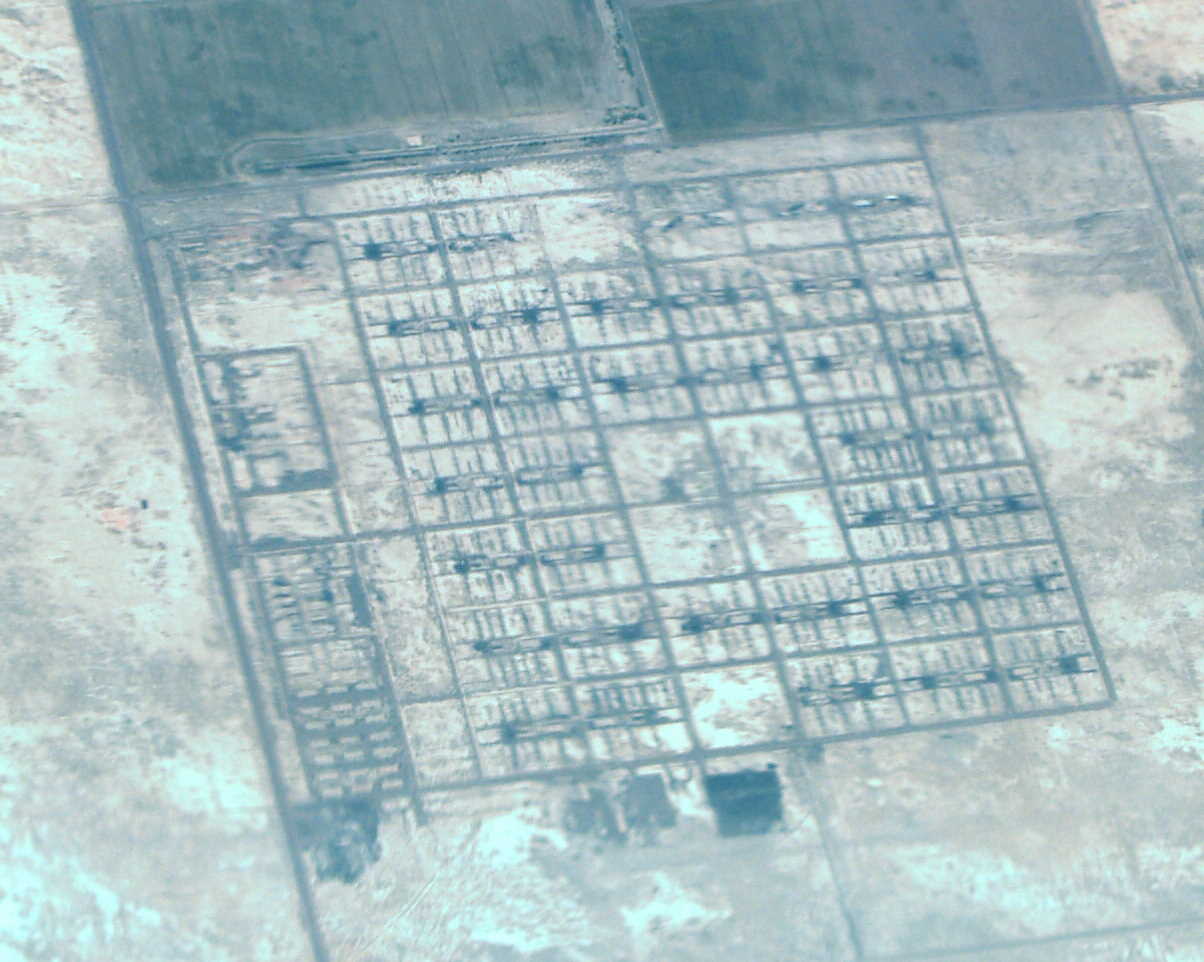
Topaz War Relocation Center
James Hatsuaki Wakasa was walking his dog inside the fence when the bullet struck him. The 63-year-old chef from San Francisco died within the barbed wire perimeter of Topaz on April 11, 1943, shot by a military sentry for reasons that remain disputed. His fellow prisoners - there is no other honest word for them - responded with a work strike and a funeral so large it became an act of protest. In the Sevier Desert of central Utah, 11,000 Japanese Americans had built a city no one wanted to live in, and Wakasa's death crystallized the bitter absurdity of their imprisonment.
From the Bay to the Desert
Most of the people at Topaz had been living in the San Francisco Bay Area when Executive Order 9066 upended their lives in February 1942. They came from Berkeley neighborhoods and Oakland shops, from fishing boats and flower farms. First the government herded them into the Tanforan Assembly Center - a converted racetrack where families slept in horse stalls - then loaded them onto trains bound for Utah. They arrived in September 1942 to find a construction site in the desert, barracks still unfinished, exposed to dust storms that tore through the valley with enough force to damage 75 buildings at once.
Building a City in the Dust
The climate was cruel by design or indifference. San Francisco's mild Mediterranean weather gave way to temperature swings of 50 degrees in a single day, freezing nights that stretched from mid-September through May, and summers hot enough to crack adobe. The prisoners - officially called internees in the government's sanitized vocabulary - received tarpaper barracks with pot-bellied stoves but no furniture. They scavenged scrap lumber from construction sites to build beds and tables. Five people shared each 20-by-24-foot room. Four bathtubs served all the women in a block; four showers for all the men. Privacy became a memory.
Resistance Behind Barbed Wire
In 1943, the War Relocation Authority demanded that all adult prisoners answer a loyalty questionnaire. Two questions cut deepest: Would you serve in the U.S. Armed Forces? Would you renounce loyalty to the Emperor of Japan? For the Issei - Japanese-born immigrants barred by law from American citizenship - answering yes to the second question meant becoming stateless, belonging to no country at all. Nearly one in five men at Topaz answered no. Some Nisei formed the Resident Council for Japanese American Civil Rights, insisting they would register for the draft only if their civil rights were restored. After Wakasa's death, the administration acknowledged that fears of subversion were unfounded and relaxed security - a small concession that only highlighted the injustice of the imprisonment itself.
What They Made There
Against the bleakness, the prisoners built a community. Two elementary schools and a high school educated children whose only crime was their ancestry. Topaz High School reunions continued for decades after the war, the last gathering held in 2012. The camp newspaper, the Topaz Times, documented daily life, while a literary magazine called Trek published poetry and essays. Two libraries eventually held nearly 7,000 volumes in English and Japanese. Baseball leagues and sumo wrestling matches filled recreation hours. Artist Chiura Obata taught painting and was permitted to leave occasionally to run classes at nearby universities. With smuggled film, Dave Tatsuno captured the only color footage of camp life - images that would enter the National Film Registry in 1997.
What Remains
Topaz closed in October 1945, and the government sold everything - buildings, water pipes, utility poles. The desert reclaimed its ground. Today, the Topaz Museum in nearby Delta preserves what memory survives: photographs, oral histories, the elementary school diary, the art that prisoners created to document their imprisonment. In 2018, Chief Justice John Roberts repudiated the Korematsu decision that had sanctioned wartime incarceration. Fred Korematsu received the Presidential Medal of Freedom from Bill Clinton; Mitsuye Endo, who won her Supreme Court case challenging detention, received the Presidential Citizens Medal from Joe Biden in 2025. The legal vindication came decades late, but it came - while the grid pattern of Topaz still scars the Utah desert, visible from 20,000 feet.
From the Air
Topaz War Relocation Center is located at 39.41N, 112.77W in the Sevier Desert, approximately 15 miles west of Delta, Utah. Elevation approximately 4,600 feet. The camp's grid pattern remains faintly visible from altitude - look for rectangular outlines in the desert floor. A monument marks the northwestern corner of the central area. The Topaz Museum is located in Delta itself. Nearest airports: Delta Municipal (KDTA) approximately 15nm east; Salt Lake City International (KSLC) about 120nm north. The desert terrain is flat and featureless - use Delta as a visual reference point. Best viewed at 5,000-10,000 feet AGL to appreciate the scale of the former camp.