Tortugas Pueblo
At the edge of Las Cruces, just south of New Mexico State University, lies a community that defies extinction. Tortugas Pueblo was established in 1852 as a refuge for members of the Piro, Manso, and Tiwa tribes -- peoples whom official histories often describe as vanished. Yet here they remain, descendants of Native Spanish allies and genizaros who fled south during the Pueblo Revolt of 1680, maintaining traditions that blend indigenous ceremonies with four centuries of Catholic influence. The pueblo takes its name from the Spanish word for turtles, creatures that once thrived in a nearby oxbow of the Rio Grande.
The Pueblos That Walked South
The story of Tortugas begins with the Pueblo Revolt of 1680, when the indigenous peoples of New Mexico rose against Spanish colonial rule. Not all Native Americans joined the uprising. The Tiwa of Isleta Pueblo, the Piro from near Socorro, and the Manso whose territory stretched along the Rio Grande into present-day Juarez -- many of these people had formed alliances with the Spanish, converting to Christianity and working alongside the colonists. When the revolt succeeded in driving the Spanish from Santa Fe, these allied tribes faced an impossible choice. They traveled south with the retreating colonists to Paso del Norte, the settlement that would become Ciudad Juarez, where Spanish missionaries established new missions for them.
A New Home on La Isla
Tortugas was formally established in 1852, though its people had lived in the region for generations. The community originally consisted of two Native villages: the Pueblo of Guadalupe and the Pueblo of San Juan de Guadalupe. The land was granted to tribal members, creating a space where displaced peoples from multiple tribes -- Piro, Manso, Tiwa, and later Jumanos, Sumas, Apaches, Conchos, and Raramuri -- could maintain their traditions. Many residents also trace ancestry to Ysleta del Sur Pueblo in Texas, another community established after the Pueblo Revolt. The area near the Rio Grande oxbow teemed with turtles, giving the settlement its distinctive name.
The Fiesta of Our Lady of Guadalupe
Every December 10th through 12th, Tortugas comes alive with the Fiesta of Our Lady of Guadalupe, a celebration that reveals the complex spiritual heritage of its people. Four dance groups perform during the ceremony: the Pueblo Indian dancers, the Danzantes, the Danzantes Guadalupana, and the Danzantes Chichimecas. The latter two are matachines groups, performing a dance form that itself blends European and indigenous traditions. The fiesta weaves Catholic devotion to the Virgin of Guadalupe together with Native ceremonial practices that predate Spanish contact, creating something neither purely indigenous nor purely European but distinctly Tortugas.
Survival Without Recognition
Despite maintaining continuous cultural traditions since 1852, Tortugas Pueblo is not federally recognized as a Native American tribe. This lack of recognition stems partly from the complex history of its founding peoples -- the Manso, in particular, are often listed as extinct in official records, even as their descendants continue to live at Tortugas. The community has thrived as an inter-tribal collective, preserving traditions that might otherwise have been lost. As of 2020, the census counted 579 residents. Patrick Narvaez serves as the current cacique, continuing a leadership tradition that links the present-day pueblo to centuries of indigenous governance.
From the Air
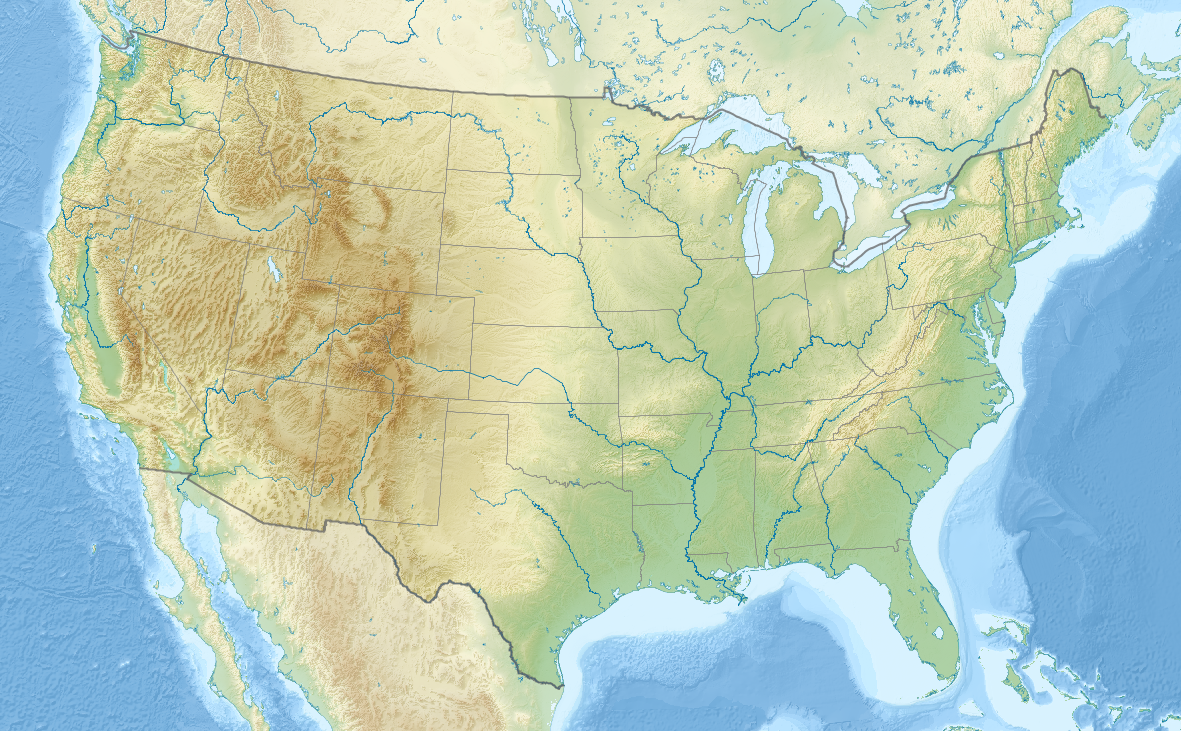
Tortugas Pueblo is located at 32.27N, 106.75W in Dona Ana County, New Mexico, at approximately 3,900 feet elevation. The community lies just south of New Mexico State University, visible near the Interstate 10 corridor. The Rio Grande flows nearby, with the distinctive meander where turtles once congregated now part of the altered landscape. Las Cruces International Airport (KLRU) is approximately 8 miles west. El Paso International Airport (KELP) lies about 45 miles south. The Organ Mountains rise to the east, while the desert basin extends westward.