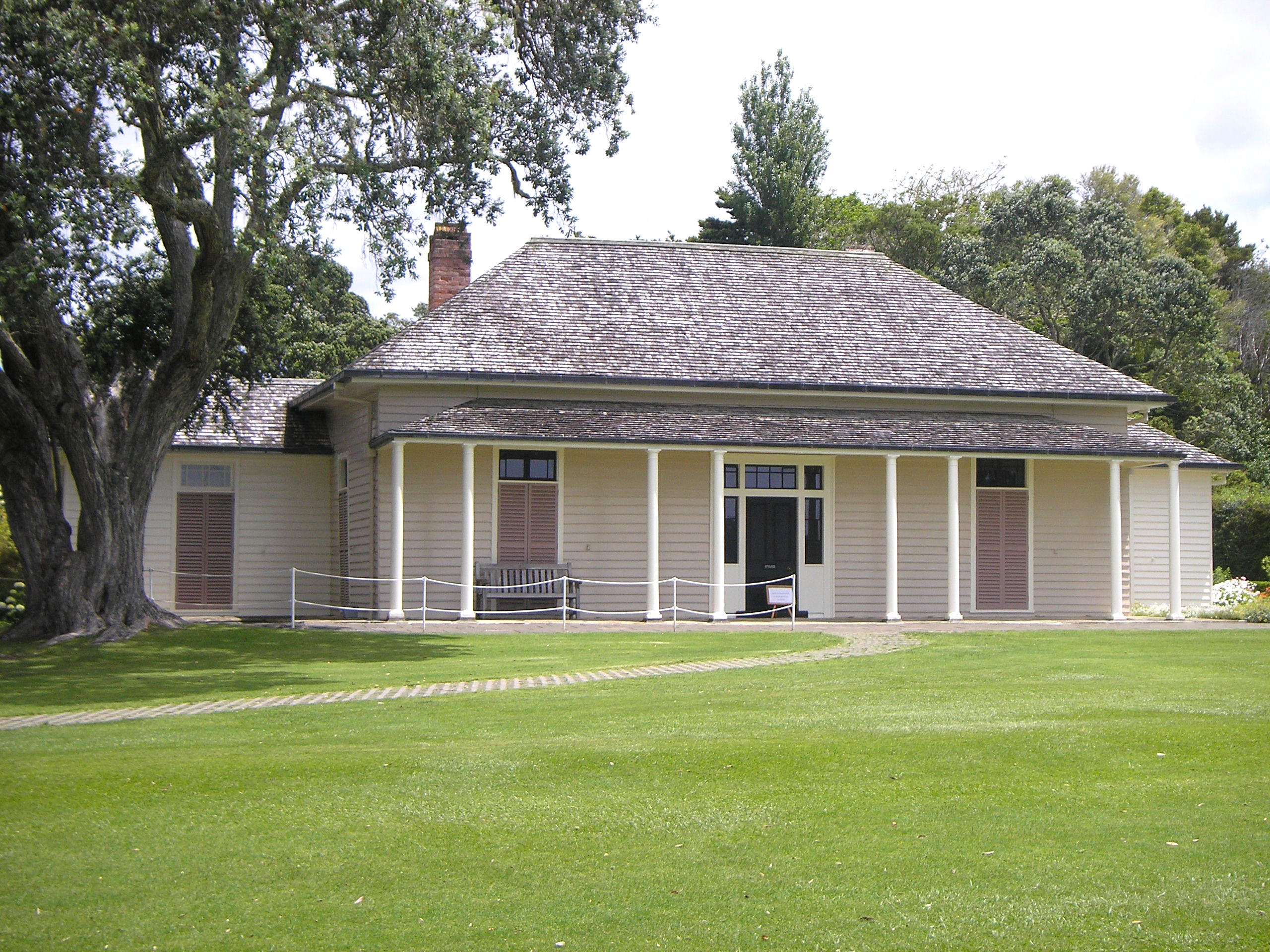
The Treaty of Waitangi: A Document That Means Two Different Things
On February 6, 1840, Hone Heke became the first Maori chief to sign a treaty with the British Crown at a gathering in the Bay of Islands. What he signed, in the Maori-language text prepared by missionary Henry Williams, was not quite the same document that the British believed they were offering. The English version ceded sovereignty. The Maori version, using the word kawanatanga (governance) rather than mana or rangatiratanga (sovereignty, chieftainship), appeared to guarantee that Maori chiefs would retain their authority over their own affairs. Two languages, one ceremony, and a gap between the texts that would shape New Zealand's entire history.
The Signing and Its Aftermath
The treaty signing began in the afternoon at Waitangi, with Hobson heading the British signatories. After Hone Heke signed, other chiefs followed. In one memorable moment, the chief Marupo shook the Governor's hand, then seized Hobson's hat from the table and gestured to put it on, a complex act that could be read as deference or as a claim to equal standing. The treaty was subsequently carried around the country for additional signatures, eventually gathering over 500 Maori marks. New Zealand was constituted as the Colony of New Zealand on November 16, 1840, separate from New South Wales. Almost immediately, the treaty's protections began to erode. The Crown's pre-emptive right to purchase Maori land, intended to prevent exploitative private deals, became a tool for acquiring vast tracts at low prices and reselling them to settlers at a profit.
The Document That Almost Vanished
The physical treaty papers have survived more by luck than by care. In 1841, just a year after signing, government offices at Official Bay in Auckland caught fire. Civil servant George Elliot saved the treaty documents from the blaze, hauling their iron box to safety. They then disappeared from public view for over two decades. In 1865, a Native Department officer produced an erroneous list of signatories. The papers were bundled together and locked in a safe. In 1877, photolithographic facsimiles were made, and the originals went back into storage. When historian Thomas Hocken went looking for them in 1908, he found the treaty papers in the basement of Wellington's Old Government Buildings, water-damaged at the edges and partly eaten by rodents. The document that founded a nation had been neglected nearly to destruction.
A Simple Nullity
In 1877, Chief Justice Prendergast delivered a judgment in Wi Parata v Bishop of Wellington that called the Treaty of Waitangi a "simple nullity." His reasoning: Maori, in his view, lacked the political organization necessary to enter into a treaty, and therefore the document had no legal force. This became the legal orthodoxy for nearly a century. Maori never accepted this characterization, invoking the treaty repeatedly to argue for land rights, greater autonomy, and the return of confiscated territory. But without legal standing, the treaty remained more symbol than instrument, frequently cited and routinely ignored. The Prendergast judgment, and the laws that built on it, functioned as legal cover for the systematic transfer of Maori land to European settlers.
Revival at Waitangi
The treaty's return to prominence began in an unlikely way: a real estate transaction. In the early 1930s, the Governor-General, Viscount Bledisloe, purchased the Treaty House and its grounds at Waitangi and donated them to the nation. The dedication of the site as a national reserve in 1934 was probably the first major public event held there since the 1840s. For decades afterward, official narratives presented the treaty as proof of British benevolence, a civilized agreement that made New Zealand's colonization more honorable than others. Maori continued to challenge this version of events, but their objections gained little traction until the protest movements of the 1970s, part of a global wave of civil rights activism, forced a reckoning.
The Tribunal and the Reckoning
The Treaty of Waitangi Act 1975 created the Waitangi Tribunal, giving the treaty institutional teeth for the first time. Initially, the Tribunal could only hear claims about Crown actions after 1975. A 1985 amendment extended its jurisdiction back to 1840, opening the floodgates to historical grievances. The Tribunal investigates, makes findings of fact, and recommends remedies, but its recommendations are not binding. Settlement negotiations between the Crown and individual iwi began in the early 1990s and continue to this day, addressing land confiscations, resource rights, and cultural losses that accumulated over 150 years. The treaty documents themselves now reside in the He Tohu exhibition at the National Library in Wellington, displayed alongside the Declaration of Independence and the 1893 Women's Suffrage Petition. The document that was once a simple nullity has become the central reference point of New Zealand's constitutional life.
From the Air
The Treaty House is located at 35.27°S, 174.08°E at Waitangi in the Bay of Islands, Northland, New Zealand. From altitude, the Bay of Islands is a distinctive landscape of inlets, peninsulas, and over 140 subtropical islands. The Treaty Grounds at Waitangi sit on a point overlooking the bay. Nearest airports include Kerikeri/Bay of Islands Airport (NZKK) approximately 10 km northwest and Whangarei Airport (NZWR) about 80 km southeast. The Bay of Islands is one of New Zealand's most recognizable coastal features from the air. Best viewed at 3,000-8,000 feet.