Tri-State Crematory Scandal
Families received urns. They scattered what they believed were the ashes of their mothers, fathers, husbands, and children. They held memorial services, placed the vessels on mantels, and began the long process of grief. What they did not know was that the urns contained concrete dust. The actual remains of 339 people lay decomposing in storage sheds, vaults, and open ground across a wooded property in the Noble community of Walker County, Georgia. The Tri-State Crematory scandal, uncovered in February 2002, revealed a betrayal so fundamental it forced the nation to confront an uncomfortable truth: almost no one was watching what happened behind the doors of America's crematories.
The Business on Center Point Road
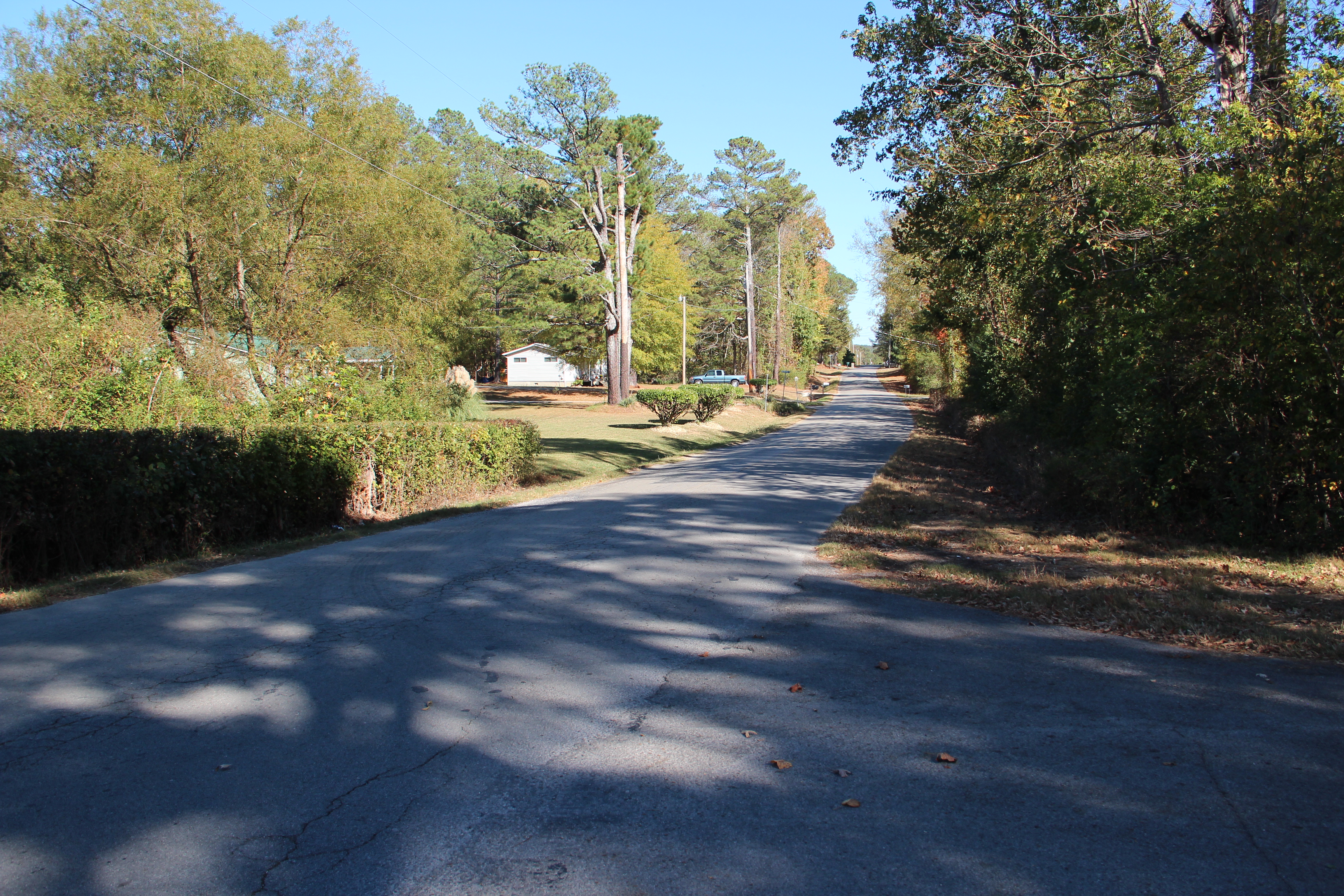
Tommy Marsh founded the Tri-State Crematory in the mid-1970s in the small community of Noble, north of LaFayette in the forested hills of northwest Georgia. The crematory served funeral homes across three states, providing cremation services to communities in Georgia, Alabama, and Tennessee where the option had previously been hard to find. Marsh was a respected local businessman who once ran for Walker County Coroner, losing by fewer than 100 votes. He also operated businesses in tent rentals and vault construction. But in the mid-1990s, Marsh suffered several strokes and developed dementia. By mid-to-late 1996, his son, Ray Brent Marsh, had taken over the business. Between 1996 and 2002, more than 2,000 bodies were sent to Tri-State for cremation. At some point after taking the reins, Brent Marsh stopped cremating them.
What the Propane Driver Saw
The warnings came before the official discovery. A propane delivery driver complained at least twice to the Walker County Sheriff's Department about seeing bodies on the Marsh property. A deputy was sent to investigate and reportedly found nothing unusual. Then, in early 2002, the EPA office in Atlanta received an anonymous tip. Officers discovered a human skull and bones on the property. On February 15, 2002, investigators returned in force and found what no one was prepared for: piles of decomposing human bodies in a storage shed, in burial vaults, and scattered across the grounds. Atlanta television station WAGA-Fox 5 broke the story after a nearby funeral home director tipped off reporter Dan Ronan. Walker County Sheriff Steve Wilson told Ronan the story would be on the front page of the New York Times by morning. He was right. A federal disaster team arrived with a portable morgue shipped from Maryland. Of the 339 bodies recovered, 113 were never identified.
A Motive No One Could Explain
The question that haunted investigators, families, and the public was simply: why? Cremating the bodies would have been far less trouble than hiding them. The retort was tested and found to be in working order, though later examinations did find some faults. Crematory operators noted that even a broken oven could be maintained, and most manufacturers offered regular maintenance programs. During his eventual guilty plea, Brent Marsh offered no answers. He told the courtroom: "To those of you who may have come here today looking for answers, I cannot give you." In 2007, his defense attorneys revealed that physiological testing showed Marsh suffered from mercury toxicity, caused by cremating bodies containing mercury dental amalgam through a faulty ventilation system. They argued that both Marsh and his father had been exposed to toxic mercury levels for years. Whether this explained his actions or merely complicated them remained a matter of debate.
An Industry Without Oversight
The scandal exposed a regulatory vacuum in the American funeral industry. A loophole in Georgia law allowed crematories that dealt exclusively with funeral homes to operate without a state license and without inspection. The funeral homes themselves never verified that cremations were actually being performed. The Cremation Society of North America called it "an abuse of the most sacred trust" placed in the industry. The problem extended far beyond Georgia. Some states had no crematory regulations at all. In Michigan, a legislator who was also a funeral director discovered that negligent disposal of a body was not even a crime. Ohio had regulations on the books but lacked trained inspectors to enforce them. Tri-State became the catalyst for sweeping reform. Georgia tightened its laws, and states across the country began requiring licensing, inspection, and accountability for crematories.
Judgment and Remembrance
Ray Brent Marsh was charged by the State of Georgia with 787 counts, including theft by deception, abusing a corpse, and burial service fraud. He faced a potential sentence of thousands of years. The case raised a novel legal question: does a human corpse have pecuniary value? Traditional common law said no, which threatened to undermine the prosecution entirely. Marsh eventually pleaded guilty and received 12 years in prison along with 75 years of probation. He was released from Central State Prison on June 29, 2016, after serving his full sentence. Nearly 1,700 family members sued in a class action that ultimately settled for $36 million from funeral homes and $18 million from the Marsh family's insurer, Georgia Farm Bureau, paid under a homeowner's policy. By spring 2005, every building on the Tri-State property had been razed. The land was placed in a trust, preserved as a memorial to those whose remains were desecrated, with no public access and no possibility of future crematory operations on the site.
From the Air
Located at 34.7743N, 85.2505W in the Noble community of Walker County, northwest Georgia, in the forested foothills of Lookout Mountain. The former crematory site has been razed and is not visible from the air. The area is rural and wooded. Best viewed at 3,000-4,000 feet AGL for terrain context. Nearby airports: KRMG (Richard B. Russell Regional Airport, Dalton, GA, 20 nm east), KCHA (Chattanooga Metropolitan Airport, 25 nm north), KLGC (LaGrange-Callaway Airport further south). The site is near the Georgia-Alabama-Tennessee tri-state area that gave the crematory its name.