Trinidad: The Sex Change Capital of the World
Dr. Stanley Biber was a general surgeon in a dying coal town. Trinidad, Colorado, population 9,000, was losing residents as the mines closed. Then, in 1969, a social worker asked Biber to perform gender confirmation surgery on a transgender woman. He'd never done one. He read up on the procedure, performed it successfully, and found his calling. Over the next 38 years, Biber performed over 6,000 gender confirmation surgeries, becoming the most experienced surgeon in the field. Patients traveled from around the world to an isolated Colorado town for procedures that most surgeons refused to perform. Trinidad became the 'Sex Change Capital of the World' - a title it embraced, understanding that medicine had saved what mining could not.
The Surgeon
Stanley Biber never planned to specialize in gender surgery. He'd been a Navy surgeon, a missionary doctor in Panama, and finally a general practitioner in Trinidad. When the 1969 request came, he approached it as he did any new procedure: research, preparation, execution. The surgery succeeded. Word spread through transgender communities that a doctor in Colorado would help them. Biber accepted patients other surgeons rejected, charged reasonable fees, treated patients with respect at a time when transgender people faced constant discrimination. He performed phalloplasties and vaginoplasties, becoming expert in both through sheer volume. He continued operating until age 82.
The Town
Trinidad accepted its unlikely role. The townspeople grew accustomed to transgender visitors - patients who arrived presenting as one gender and left presenting as another. Hotels welcomed them. Restaurants served them. The town that had built its identity on coal mining built a new identity on transformation. Not everyone approved, but the economic reality was clear: Biber's practice brought patients from around the world, spending money in a town that desperately needed it. Trinidad learned that tolerance had practical benefits. The community that might have shunned transgender visitors instead learned to see them as neighbors.
The Legacy
Biber trained his successor. Dr. Marci Bowers, herself a transgender woman, studied under Biber before he retired in 2003 and died in 2006. She continued his practice in Trinidad until 2010, then moved to California, where larger facilities could accommodate her growing caseload. Trinidad's primacy in gender surgery ended with Bowers' departure - the specialization that had sustained the town for decades moved on. But the legacy remained: a generation of surgeons trained directly or indirectly by Biber continue his work nationwide. The techniques developed in an isolated Colorado town became standard practice.
The Change
Trinidad today is a small town again, no longer the global destination it once was. The transgender patients who once filled hotels now have options closer to home - gender confirmation surgery has become available in major cities nationwide. What Trinidad proved remains relevant: that a community could embrace medical tourism, could treat transgender patients with dignity, could benefit economically from compassion. The experiment succeeded. The need for Trinidad's specialization disappeared because the experiment was replicated elsewhere. A dying mining town showed America what acceptance looked like, then watched America catch up.
Visiting Trinidad
Trinidad is located in south-central Colorado, roughly 13 miles north of the New Mexico border on Interstate 25. The town itself offers historic Victorian architecture, the Trinidad History Museum complex, and the A.R. Mitchell Museum of Western Art. Fisher's Peak, the prominent mesa dominating the southern horizon, is now a state park. The Biber era is less commemorated than you might expect - the town has moved on, and the practice that made it famous has dispersed. The nearby Raton Pass offers scenic driving. Trinidad is a gateway to the Santa Fe Trail and northern New Mexico attractions. The transformation that once brought thousands of patients has become just another chapter in a mining town's unlikely history.
From the Air
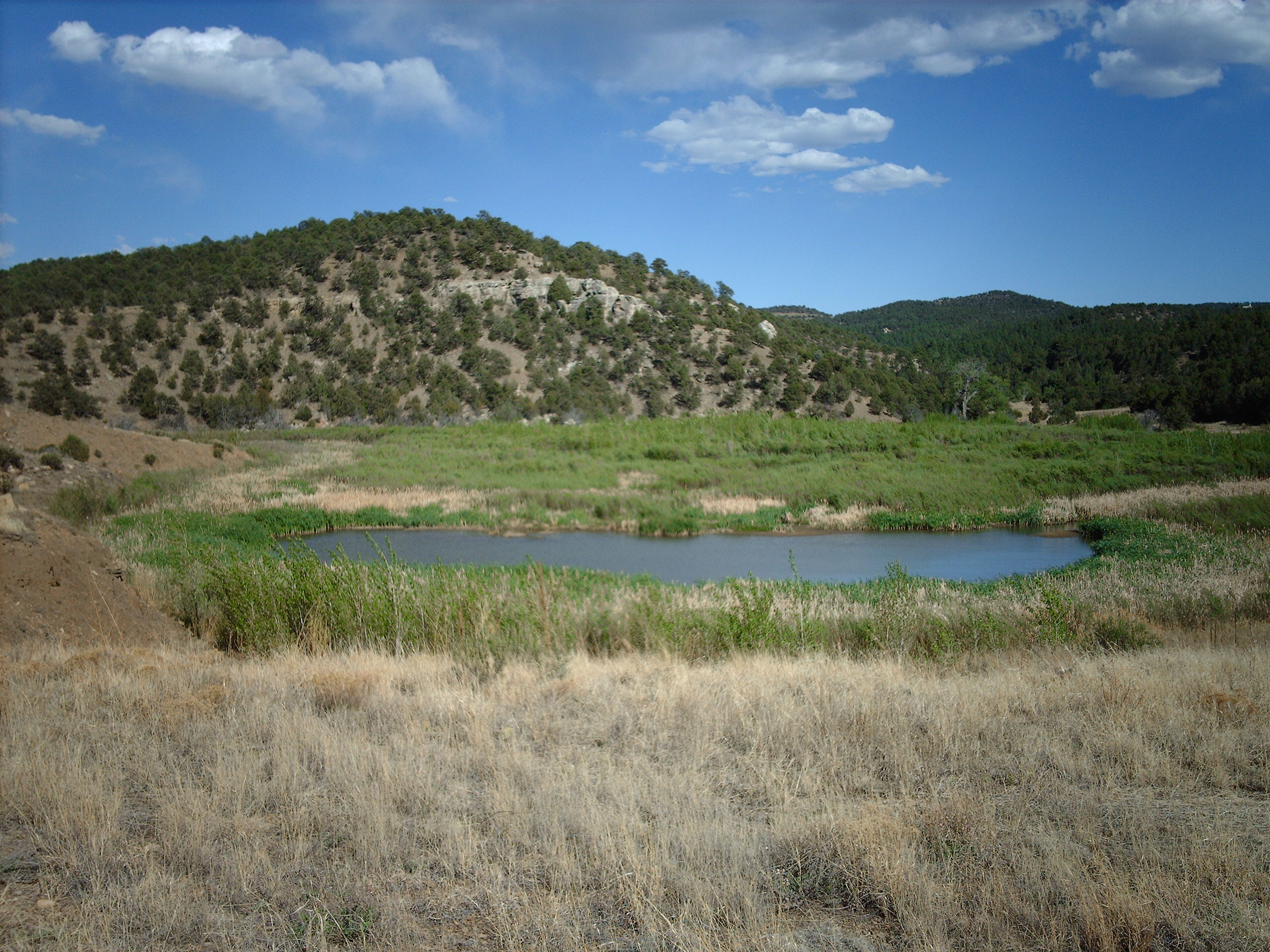
Located at 37.17°N, 104.50°W in south-central Colorado, where the Rocky Mountain foothills meet the high plains. From altitude, Trinidad appears as a small city in the Purgatoire River valley, surrounded by mesas and the Spanish Peaks to the west. Fisher's Peak rises prominently to the south, marking the New Mexico border. Interstate 25 passes through, connecting Denver to Albuquerque. Nothing from altitude suggests the town's unusual medical history - it looks like any small Western city. The coal mines that built it are mostly closed. The specialty that saved it has moved on. What remains is a town that once welcomed people seeking transformation, preserved in the landscape that witnessed thousands of new beginnings.