Tsukuba Space Center
A full-sized H-II rocket lies on its side just past the front gate, 50 meters of white-and-orange engineering stretched across a plaza surrounded by cherry trees. Visitors crane their necks at it. Schoolchildren point. But the real work of the Tsukuba Space Center happens deeper inside the compound, in the mission control rooms where Japanese engineers talk to astronauts aboard the International Space Station and satellites relay data from orbit back to the Kanto Plain. Opened in 1972 in what was then empty farmland northeast of Tokyo, TKSC has grown into the operational heart of the Japan Aerospace Exploration Agency -- the place where Japan builds, tests, and commands its presence in space.
Command Post for the Stars
The Tsukuba Space Center sprawls across a 530,000-square-meter campus within Tsukuba Science City in Ibaraki Prefecture. It is JAXA's headquarters and its busiest facility, housing everything from satellite assembly clean rooms to astronaut training halls. The center's radio callsign is simply "Tsukuba" -- the voice that Japanese astronauts hear when they check in from orbit. Every Japanese astronaut who has flown to the International Space Station has trained here before completing their preparation at NASA's Johnson Space Center in Houston. The campus operates around the clock, tracking satellites, monitoring the Kibo module, and coordinating launch operations with JAXA's Tanegashima Space Center far to the south.
Kibo: Japan's Room in the Sky
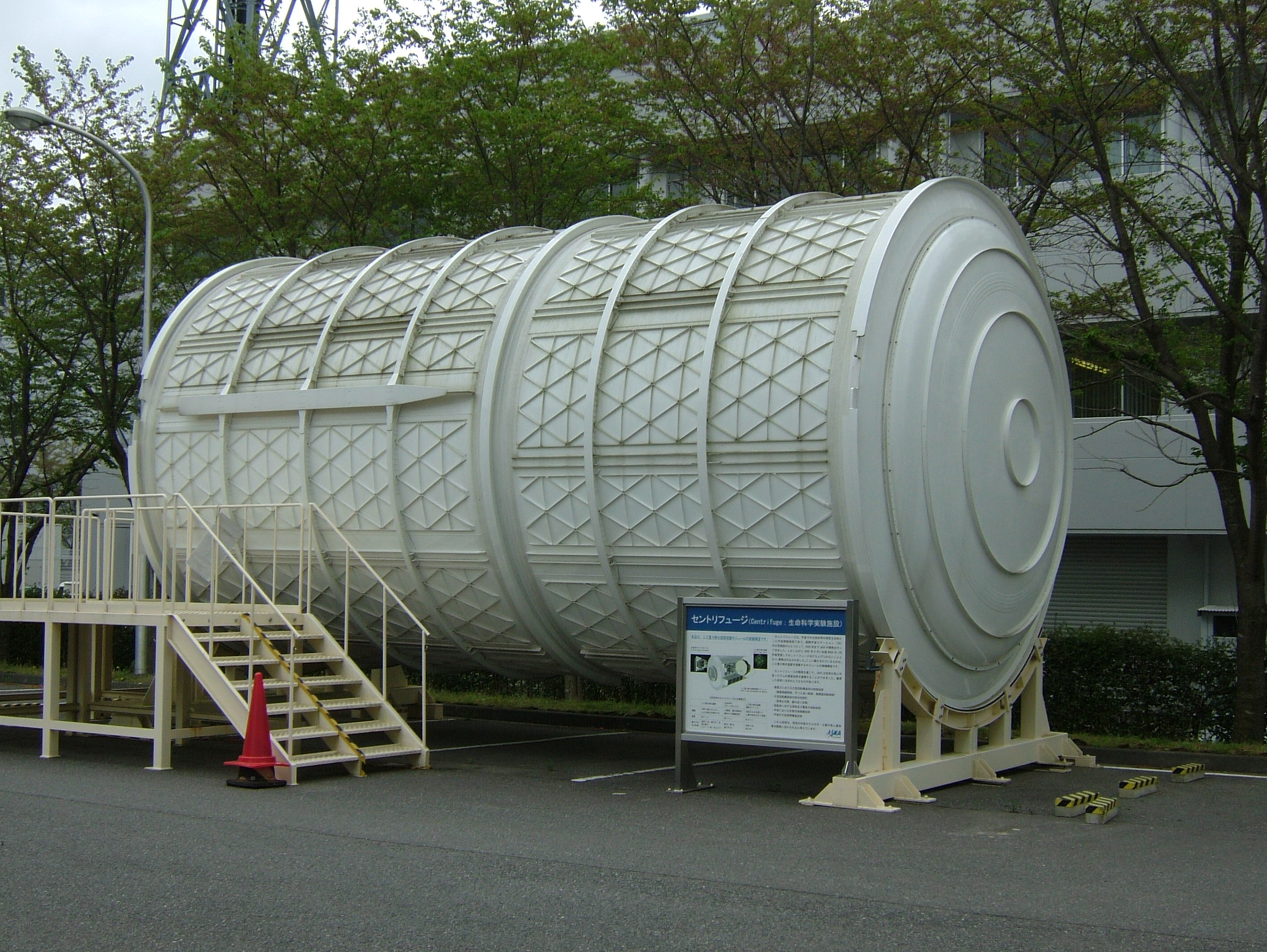
The crown jewel of Japan's space program was assembled and tested in the buildings behind the Space Dome exhibition hall. Kibo -- meaning "hope" in Japanese -- is the Japanese Experiment Module aboard the International Space Station, and it is the largest single ISS module contributed by any international partner. Engineers at TKSC built it, tested every system, then shipped the components to NASA's Kennedy Space Center for launch aboard Space Shuttle missions between 2008 and 2009. Today, a full-sized mockup of Kibo sits inside the Space Dome, and visitors can walk through the same pressure vessel layout that astronauts float through in microgravity. Meanwhile, in the real Kibo Operations Control Room just across the campus, controllers manage experiments running 400 kilometers above Earth.
Where Rockets Are Born
TKSC's satellite assembly and testing facilities are among the most advanced in Asia. The center houses thermal vacuum chambers, vibration test stands, and electromagnetic compatibility labs where satellites endure simulated launch violence and the brutal temperature swings of space before they ever leave the ground. The H-II Transfer Vehicle, Japan's unmanned cargo spacecraft that delivered supplies to the ISS, was developed and integrated here. So were components for Earth observation satellites, communications spacecraft, and scientific probes. The real H-II rocket lying in Rocket Square near the entrance is not a model -- it is an actual test article, a ground-test vehicle that never flew but represents the engineering lineage that led to Japan's current H3 launch vehicle.
A Campus Open to Dreamers
Unlike many space facilities around the world, TKSC actively welcomes the public. The Space Dome exhibition hall is free to enter, and guided tours take visitors into areas most space agencies keep behind locked doors -- including views of the astronaut training facility and the actual Kibo mission control room during live operations. A 1/1,000,000-scale globe called the "Dream Port" greets visitors as they enter the Space Dome, surrounded by life-sized satellites, real rocket engines, and interactive displays tracing Japan's journey from its first satellite launch in 1970 to its current deep-space ambitions. For a nation that pours nearly half its public research budget into Tsukuba Science City, the openness is deliberate: this is where Japan invites its next generation to look up.
From the Air
Located at 36.066N, 140.130E in Tsukuba Science City, Ibaraki Prefecture, approximately 60 km northeast of central Tokyo. From altitude, look for the planned grid layout of Tsukuba Science City against surrounding farmland, with Mount Tsukuba (877m) rising prominently to the north. The H-II rocket display near the entrance may be visible at lower altitudes. Nearest airports: Ibaraki Airport / Hyakuri Air Base (RJAH) approximately 30nm northeast, Narita International (RJAA) approximately 25nm south-southeast, Tokyo Haneda (RJTT) approximately 40nm southwest. The Tsukuba Express rail line runs from the Science City toward Tokyo. Expect generally clear conditions with occasional haze from the Kanto Plain.