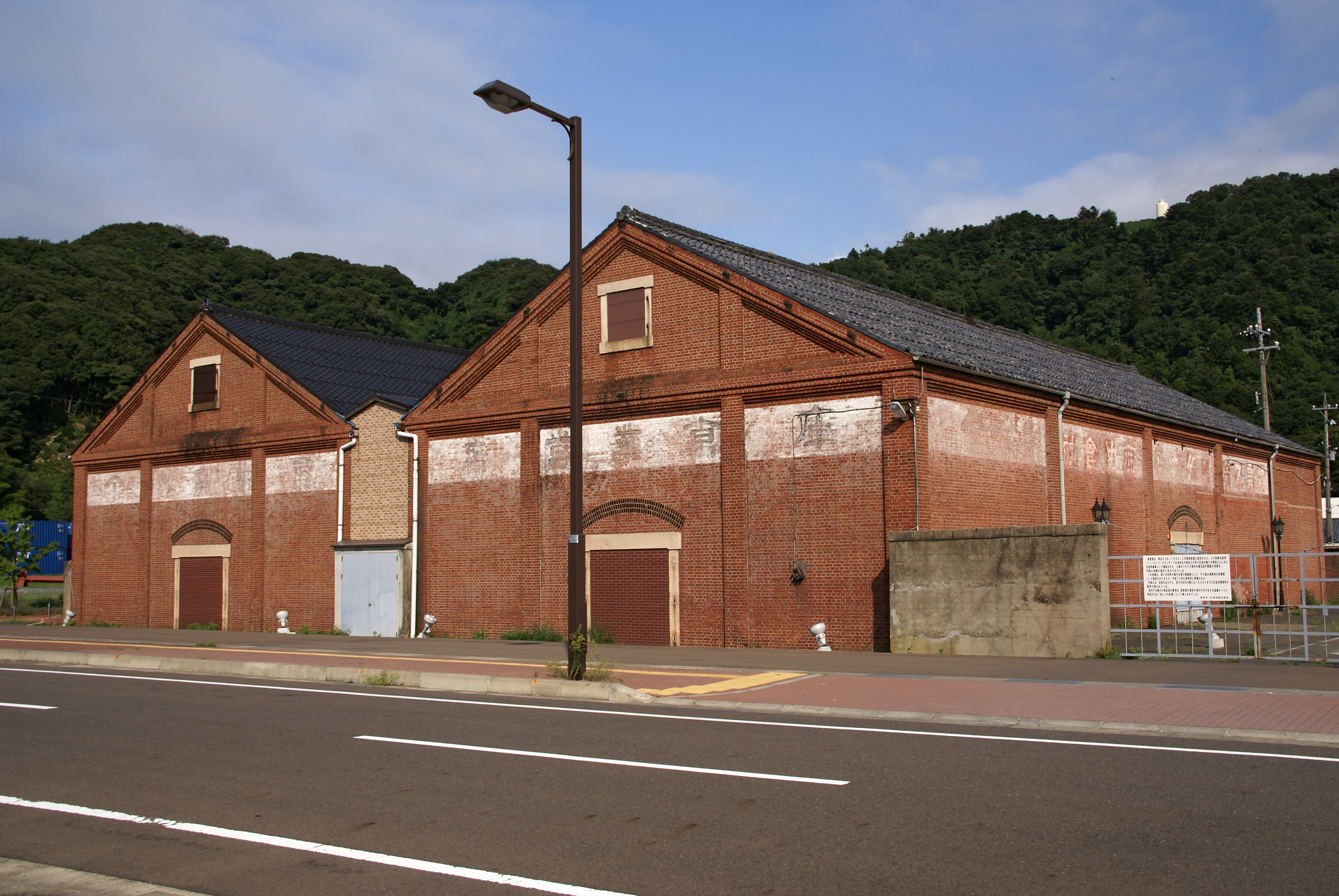
Tsuruga Red Brick Warehouse
Standard Oil built a lot of things in the early twentieth century, but few of its creations ended up housing miniature model railroads. In 1905, the New York petroleum giant erected two handsome red brick warehouses on the docks of Tsuruga, a busy port city on the Sea of Japan coast of Fukui Prefecture. The buildings were strictly utilitarian -- thick walls of imported Dutch brick, hidden columnar supports, wooden beams measured in American feet rather than Japanese shaku. For decades, they stored oil. Today, one wing holds a restaurant and the other contains an elaborate HO-scale diorama of Tsuruga in its Meiji and Showa-era prime, complete with tiny trains running through a miniature city that no longer exists.
Gateway to the Continent
Tsuruga's importance as a port stretched far beyond petroleum storage. From the mid-Meiji era through the early Showa period, the city served as one of Japan's primary gateways to the Asian continent and Europe. Ships departed for Vladivostok, connecting to the Trans-Siberian Railway and onward to the capitals of Europe. Goods, people, and ideas flowed through Tsuruga's docks in volumes that belied the city's modest size. The red brick warehouses were just two buildings among many that lined the waterfront during this golden age. Their survival is remarkable precisely because so much of the old port infrastructure has vanished -- lost to war, weather, and the shifting economics of modern shipping.
Dutch Brick, American Feet
The warehouses carry the fingerprints of Japan's Meiji-era internationalism in their very bones. A foreign architect designed them using the imperial measurement system, so the proportions feel subtly different from Japanese buildings of the same vintage. The bricks were imported from the Netherlands, lending a warm, ruddy tone that has only deepened with more than a century of salt air and coastal rain. Inside, a hidden columnar structure supports the roofline -- an engineering choice that maximized open floor space for storing barrels and crates. In January 2009, both the north and south wings, along with their surrounding brick walls, received official designation as registered tangible cultural properties of Japan, recognizing their architectural and historical significance.
A Miniature City Frozen in Time
The north wing's transformation into a diorama hall gave Tsuruga something more evocative than a standard museum. The HO-scale model railroad recreates the city as it looked during its heyday, from the late Meiji period through the early Showa years. Tiny trains thread past detailed replicas of buildings, streets, and docks that have long since disappeared from the real waterfront. It is a painstaking act of civic memory, preserving a version of Tsuruga that exists now only in photographs and the recollections of the very old. The south wing operates as a restaurant hall, offering visitors a place to eat while surrounded by the same brick walls that once enclosed drums of American petroleum. An open garden occupies the south side of the complex.
Rails and Remembrance
In 2018, the city doubled down on its railway heritage by installing a Kiha 28 series diesel railcar on a stretch of track adjacent to the warehouse's north side. The vintage train sits alongside the Kanegasaki area's growing collection of railway artifacts, which includes the reconstructed former Tsuruga Port Station building -- now the Tsuruga Railway Museum -- and a historic lamp house. The nearby Tsurugako Line, though its operations are suspended, adds another layer to the district's identity as a living record of Japan's railway age. The city of Tsuruga has plans to weave these scattered pieces into a broader tourism corridor, connecting the red brick warehouses to Kanegasaki Park, the Port of Humanity Tsuruga Museum, and the iconic Kehi no Matsubara pine grove along the coast.
From the Air
Located at 35.66N, 136.07E on the shore of Tsuruga Bay, Fukui Prefecture. The red brick warehouses sit within the Port of Tsuruga complex along the waterfront. From altitude, look for the distinctive harbor infrastructure and the Kanegasaki Park area on the promontory. The nearest significant airport is Komatsu Airport (RJNK), approximately 70 km to the northeast. Tsuruga sits along the Sea of Japan coast, nestled between mountains and the bay, making it visually distinctive from the air.