Tucson: The Desert City That Stayed Weird When Phoenix Got Corporate
Tucson is what Phoenix isn't - smaller, weirder, more connected to the desert that surrounds it. The city of 550,000 sits in a valley ringed by mountain ranges, the saguaro-studded landscape protected by national park and forest rather than bulldozed for development. The University of Arizona provides the intellectual character Phoenix lacks; the boneyard at Davis-Monthan Air Force Base provides thousands of mothballed aircraft rusting photogenically. Tucson cultivates its oddness - the bumper sticker 'Keep Tucson Shitty' expresses resistance to Phoenix-style growth. The city is poorer than Phoenix, hotter than Phoenix, and proudly distinct from the metropolis 100 miles north.
The Desert
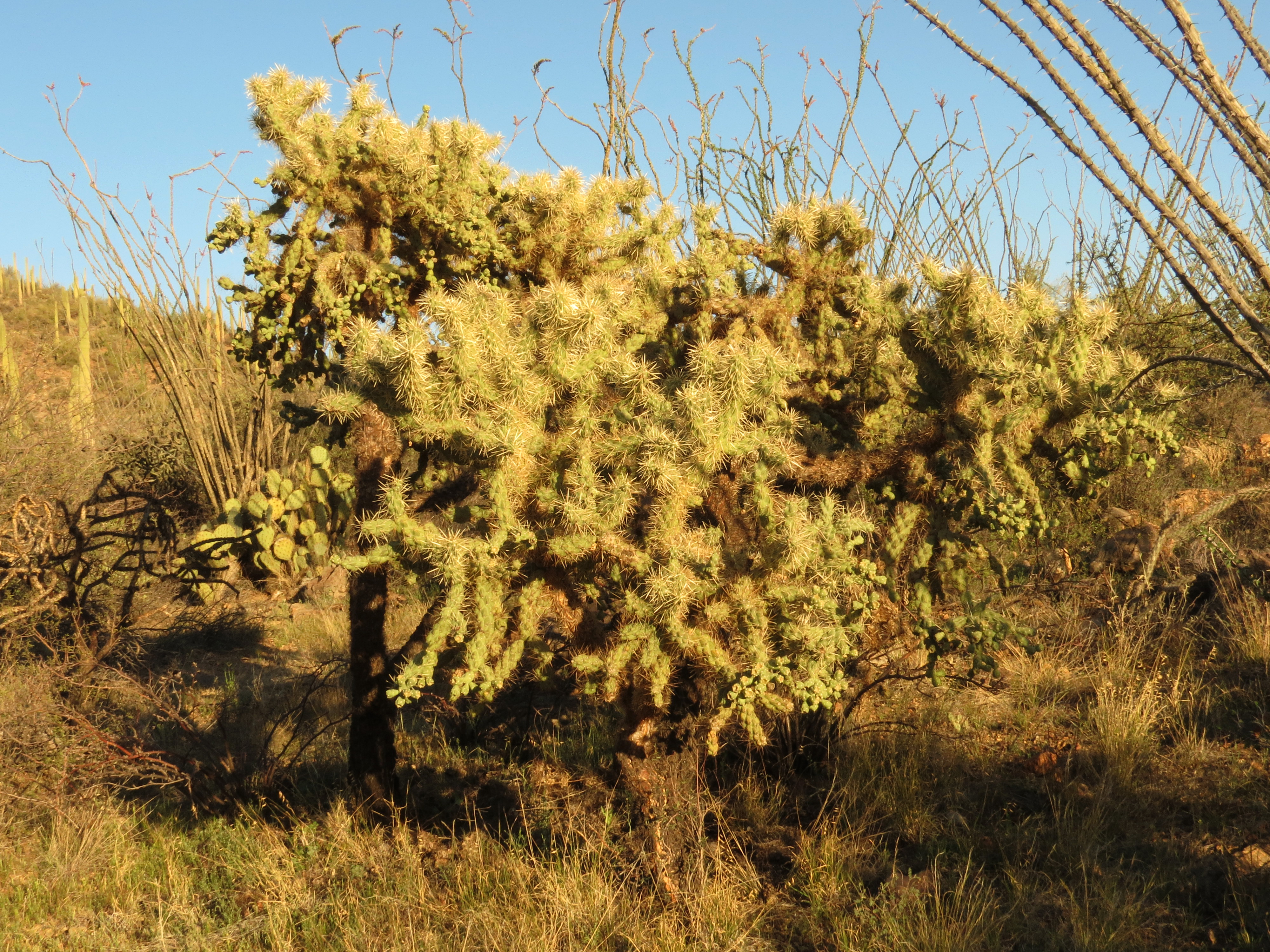
Saguaro National Park wraps around Tucson on two sides, protecting the Sonoran Desert landscape of giant cacti, palo verde trees, and desert wildlife. The saguaros - the iconic arm-raising cacti - grow only in the Sonoran Desert, and Tucson is their capital. The Sonoran Desert Museum, technically a zoo, presents desert ecology through exhibits and live animals. The desert here isn't backdrop; it's defining feature - the mountains visible from every Tucson street, the saguaros silhouetted against sunset, the summer monsoons that break the heat briefly and violently.
The Boneyard
Davis-Monthan Air Force Base houses the 309th Aerospace Maintenance and Regeneration Group - known as 'the Boneyard' - where over 4,000 aircraft sit in desert storage. The dry climate prevents corrosion; the planes can be preserved indefinitely or cannibalized for parts. The collection includes everything from B-52 bombers to retired airliners, arranged in rows visible from commercial flights overhead. Tours are available through the Pima Air & Space Museum; the scale is astonishing. The Boneyard is Tucson's strangest attraction - military-industrial archaeology under blinding sun.
The University
The University of Arizona gives Tucson the intellectual character that distinguishes it from Phoenix - 45,000 students, major research programs in astronomy (the clear skies help), optical sciences, and ecology. The campus anchors the city's cultural life; the basketball program (national championship, 1997) provides sports identity; the student population keeps the economy young. Tucson without the university would be an overgrown border town; with it, Tucson is something more complex - an academic community in the desert, liberal in a conservative state.
The Food
Tucson was designated a UNESCO City of Gastronomy, the first American city so honored. The recognition reflects the city's food heritage - Sonoran hot dogs (bacon-wrapped, piled with beans and salsa), Sonoran Mexican cuisine (different from Tex-Mex), and the fusion possibilities that emerge from border proximity and university cosmopolitanism. The tamales at El Charro claim to be the original chimichanga; the carne seca (dried beef) is a regional specialty. The food culture is authentic in ways that touristified Santa Fe can't match - the Mexican food here is Mexican, not Adobe-decorated performance.
Visiting Tucson
Tucson is served by Tucson International Airport (TUS). Saguaro National Park's two districts bracket the city; the west unit (Tucson Mountain District) is more accessible for casual visits. The Arizona-Sonora Desert Museum combines zoo, botanical garden, and natural history museum. The Boneyard tours book through the Pima Air & Space Museum. The San Xavier Mission, a white-domed 18th-century church south of town, is worth the drive. Downtown and Fourth Avenue offer restaurants and bars. The heat is extreme from May through September; the winter is ideal. The experience rewards appreciation for desert landscape and deliberately maintained weirdness.
From the Air
Located at 32.22°N, 110.93°W in the Sonoran Desert, ringed by mountain ranges - the Santa Catalinas to the north, the Rincons to the east, the Tucson Mountains to the west. From altitude, Tucson appears as urban development in a basin surrounded by protected desert - the saguaro-studded landscape visible at the city's edges. The Boneyard at Davis-Monthan is visible as neat rows of parked aircraft. What appears from altitude as a mid-sized desert city is Arizona's second-largest metropolitan area - where the saguaros are protected, where the aircraft rust in rows, and where the bumper stickers ask to keep Tucson shitty.