Greenwood: The Black Wall Street That Was Burned to the Ground
On May 31, 1921, Tulsa's Greenwood District was the wealthiest Black community in America - 'Black Wall Street,' a 35-block neighborhood of prosperous businesses, homes, churches, and a hospital, built by African Americans locked out of white society and determined to build their own. By June 1, it was ash. A white mob, enraged by unsubstantiated claims that a Black man had assaulted a white woman, invaded Greenwood with guns and torches. They burned every building, killed between 100 and 300 people, and left 10,000 homeless. Then the massacre was covered up - excluded from histories, unmentioned in schools, suppressed for generations. Greenwood rebuilt, but America forgot. It took until 2001 for Oklahoma to acknowledge what happened.
The Prosperity
Greenwood existed because segregation demanded it. African Americans in Tulsa couldn't shop in white stores or live in white neighborhoods, so they created their own economy. Oil money and entrepreneurship built a district with over 600 businesses: banks, hotels, theaters, restaurants, grocery stores, a hospital. The wealth was remarkable - Black professionals and businesspeople accumulated resources that white Tulsa viewed with resentment. The prosperity was fragile, dependent on continued tolerance from the surrounding white society. That tolerance proved illusory.
The Trigger
On May 30, 1921, Dick Rowland, a Black shoe shiner, entered an elevator operated by Sarah Page, a white teenager. Something happened - possibly Rowland tripped and grabbed Page's arm. Page screamed. Rowland fled. He was arrested on assault charges. A white mob gathered at the courthouse, demanding lynching. Black men from Greenwood arrived to protect Rowland. Shots were fired. The mob transformed into an assault force that descended on Greenwood at dawn.
The Massacre
The attack was systematic. White men with guns entered Greenwood, shooting residents and setting fires. Airplanes flew overhead - witnesses reported shots and incendiary devices dropped from aircraft, though this remains disputed. The police joined the mob, disarming Black residents while ignoring white attackers. The National Guard arrived and detained Black survivors rather than stopping the violence. By afternoon, 35 blocks were destroyed. Bodies lay in streets. Mass graves may hold victims never counted. The Red Cross reported 300 dead; modern estimates suggest the number was similar or higher.
The Silence
After the massacre, Tulsa suppressed its memory. Police records disappeared. Insurance claims were denied. The grand jury blamed Black residents for the violence. Newspapers stopped covering the story. History books omitted it. Schools didn't teach it. For decades, many Oklahomans - including Black residents - grew up without knowing what had happened. The silence served white interests: no compensation, no accountability, no admission that American prosperity had been built partly through racial violence. The truth emerged slowly through survivor testimony, academic research, and eventual official acknowledgment.
Visiting Greenwood
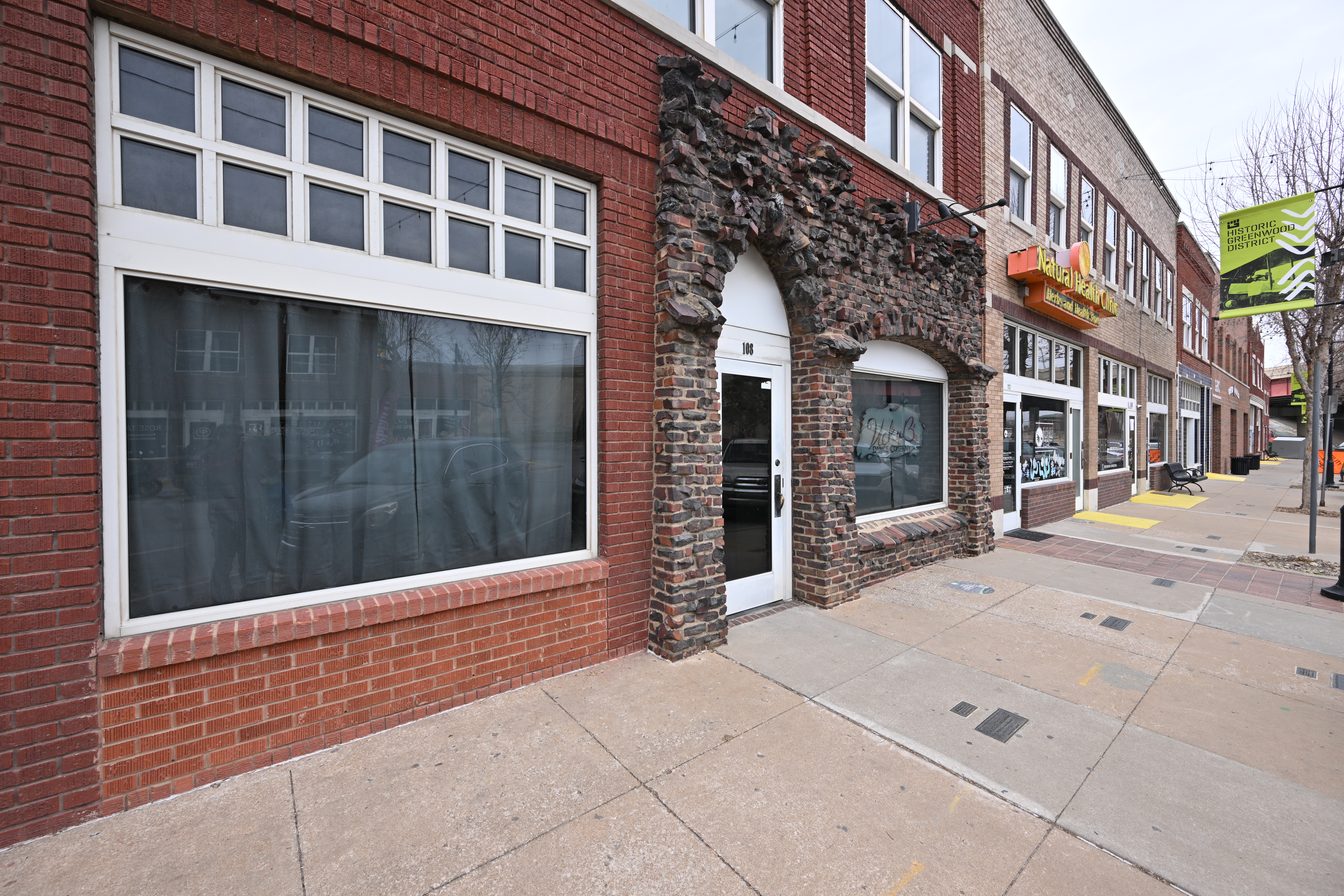
The Greenwood District in Tulsa has been rebuilt, though the 1921 devastation is visible in the neighborhood's reduced scale. The Greenwood Cultural Center and adjacent John Hope Franklin Reconciliation Park interpret the massacre and its aftermath. The Black Wall Street Memorial marks the historic site. Greenwood Avenue still hosts Black-owned businesses. The Tulsa History Museum provides additional context. The search for mass graves continues; excavations in 2021 discovered potential burial sites. Tulsa has lodging and services. Visiting Greenwood is a somber experience - a lesson in what prosperity can be destroyed when hate is permitted, and what truth costs when history is suppressed.
From the Air
Located at 36.16°N, 95.99°W in north-central Tulsa, Oklahoma. From altitude, the Greenwood District is indistinguishable from surrounding urban development - the destruction of 1921 was total, the rebuilding incremental, the scars invisible from the air. The Arkansas River flows to the west. Downtown Tulsa's skyline rises to the south. The oil refineries that created Tulsa's wealth are visible to the north. What happened in Greenwood a century ago left no visible trace; the massacre exists in memory, not geography. The prosperous Black community that once occupied 35 blocks is gone, survived only by fragments and by the determination of descendants and historians to ensure it's remembered.