TWA Flight 514
The morning of December 1, 1974, was unremarkable for the crew of TWA Flight 514. Captain Richard Brock, 44 years old with nearly 7,000 hours of flight time, was bringing a Boeing 727 from Indianapolis through Columbus, Ohio, to Washington National Airport. Eighty-five passengers and seven crew members settled in for the short final leg. Then the weather intervened. Fierce crosswinds, gusting to 49 knots, shut down National's main runway. Air traffic control diverted the flight to Dulles International, 25 miles to the west. What happened next would kill everyone aboard and fundamentally change the way pilots and controllers communicate forever.
Cleared to Descend
The 727 was vectored for a non-precision instrument approach to Runway 12 at Dulles, heading east-southeast through thick cloud and rain. Air traffic controllers cleared the flight to descend to 1,800 feet. The problem was that the aircraft was not yet on a published approach segment. The approach chart itself contained a dangerous contradiction: the overhead view indicated a minimum safe altitude of 3,400 feet for the initial approach area, but the profile view showed 1,800 feet without extending to the same range. The crew, trusting the clearance, descended. First Officer Lenard Kreshec, age 40 with over 6,200 hours, and Flight Engineer Thomas Safranek, 31, monitored instruments that told them everything was normal. The ground was rising beneath them and nobody knew it.
Into the Mountain
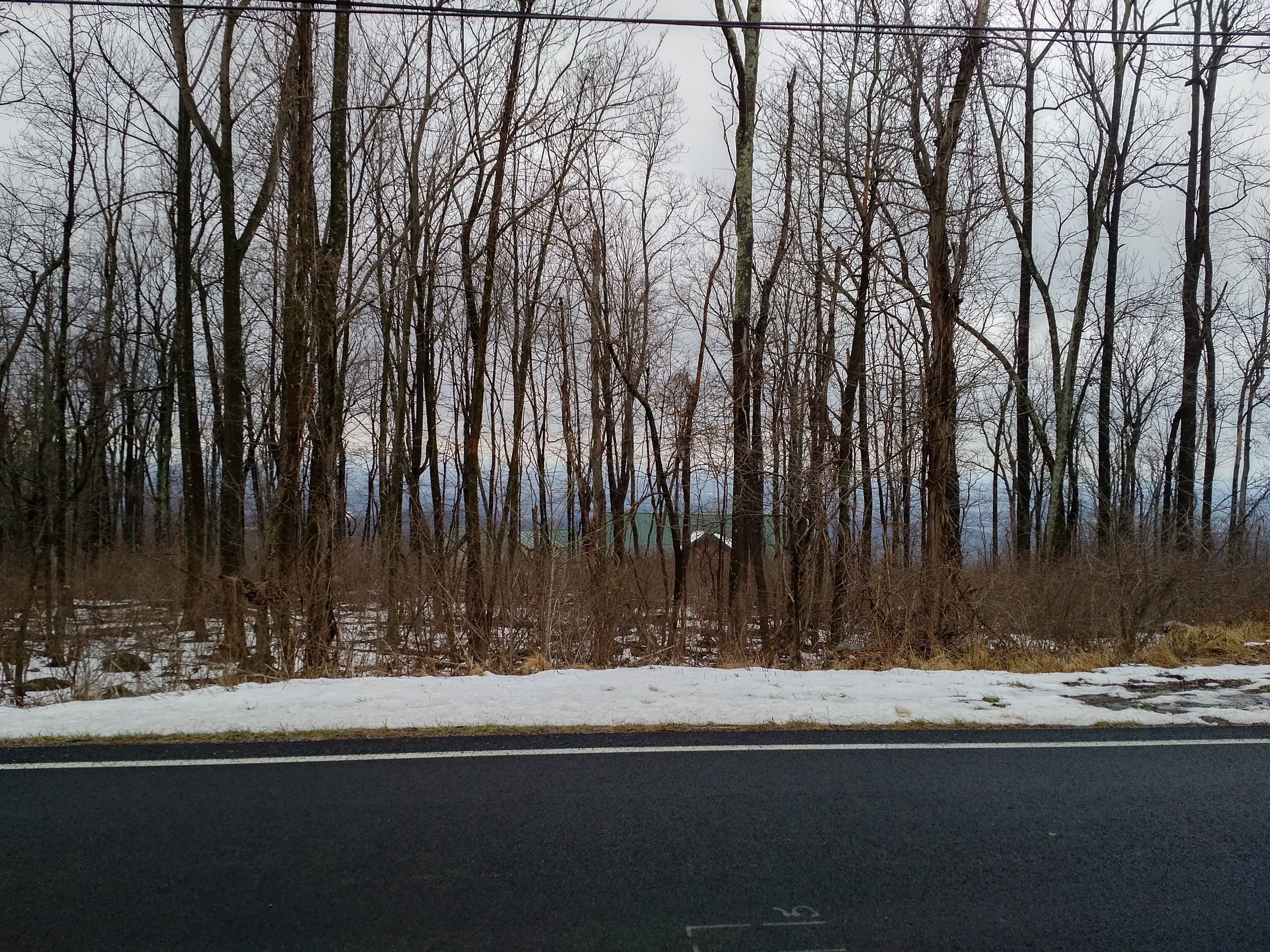
At 11:09 a.m., still in controlled flight, the Boeing 727 struck the western slope of Mount Weather at an elevation of about 1,670 feet, roughly 25 miles northwest of Dulles. The aircraft disintegrated on impact. All 92 people aboard were killed instantly. The crash site lay on the slopes of a mountain that concealed one of the federal government's most closely guarded secrets: an underground bunker built to shelter senior officials during a nuclear attack. Rescue teams arriving at the wreckage found themselves at the perimeter of a facility most Americans had never heard of. The Washington Post and the Associated Press, reporting on the crash location, inadvertently revealed the existence of the Mount Weather Emergency Operations Center to the public for the first time.
Who Was at Fault
The National Transportation Safety Board investigation that followed was contentious. Public hearings ran from January 27 to February 21, 1975, in Arlington, Virginia. The board ultimately split on who bore responsibility. The majority opinion placed blame on the flight crew for descending below a safe altitude while not on a published approach segment. The dissenting opinion argued that air traffic controllers shared culpability, having cleared the aircraft to an altitude that was unsafe for its position. Both sides agreed on one critical point: the ambiguous approach chart, with its contradictory altitude depictions, had set a trap. During the investigation, the NTSB uncovered a chilling detail: just six weeks before the crash, a United Airlines flight had narrowly escaped the identical fate on the same approach, at the same location.
A Legacy Written in New Rules
The 92 deaths on Mount Weather forced sweeping changes across American aviation. The NTSB issued recommendations that the FAA and airlines adopted: confusing approach charts were redesigned, contradictory terminology between pilots and controllers was standardized, and ground proximity warning systems were mandated on all commercial aircraft within a year. Perhaps the most far-reaching consequence grew from that near-miss by the United Airlines crew weeks earlier. The fact that no formal mechanism existed for pilots to report safety hazards without fear of punishment struck investigators as a systemic failure. In April 1976, the FAA and NASA launched the Aviation Safety Reporting System, a confidential channel for aviation professionals to flag dangers before they turn fatal. That system, born directly from the wreckage on Mount Weather, continues to operate today, quietly collecting the warnings that prevent the next disaster.
From the Air
Crash site located at 39.08N, 77.88W on the western slope of Mount Weather in the Blue Ridge Mountains, Clarke County, Virginia. The terrain rises sharply west of Dulles (KIAD). Pilots on the Runway 12 approach should note terrain to the northwest. The area around Mount Weather includes restricted airspace. Minimum safe altitudes in this sector are well above the ridgeline. Nearby airports: KIAD (Dulles, 25 nm southeast), KJYO (Leesburg Executive, 18 nm east), KMRB (Martinsburg, 20 nm northwest). This area is a sobering reminder of the importance of situational awareness during non-precision approaches in IMC.