Udaipur
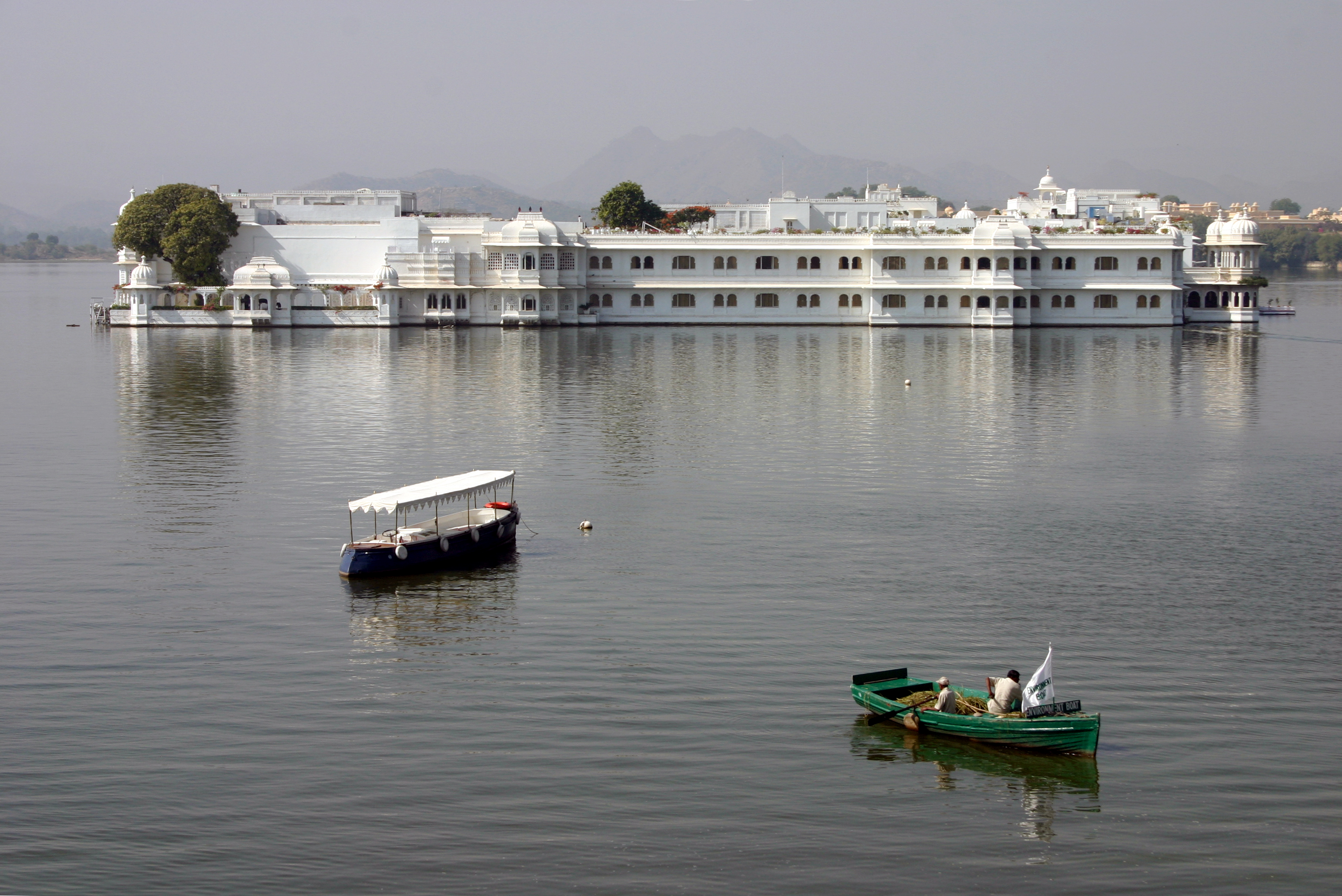
Udaipur is India's most romantic city, a Rajasthan gem of 500,000 people where palaces rise from lakes and Rajput heritage fills every view. Maharana Udai Singh founded it in 1559, searching for a capital beyond Mughal reach. His descendants filled it with architecture that now draws millions. A white marble palace appears to float on still water. City Palace walls run for kilometers along the shore. Every visitor photographs the sunset, and every photograph justifies the journey. Udaipur is what India looks like when it wants to enchant.
The Lakes
The lakes make Udaipur magical. Lake Pichola holds the seemingly floating Lake Palace; Fateh Sagar stretches out within a frame of low hills. Successive Maharanas created this interconnected water system by damming streams, shaping the landscape into something almost too beautiful to be practical. Reflections shimmer across every photograph. Boat rides carry every visitor across the surface. In Rajasthan's punishing heat, the water provides a coolness no other city in the region can offer.
But romanticism cannot solve what threatens these lakes. Monsoon rains determine water levels, and climate change is making those rains unreliable. Development brings pollution. A growing population encroaches on the shoreline. Without its lakes, Udaipur loses everything that makes it Udaipur.
The City Palace
Rajasthan's largest palace complex stretches along Lake Pichola for nearly half a kilometer. Successive Maharanas expanded it over four centuries, layering courtyard upon balcony upon garden, blending Rajput and Mughal architectural traditions into something uniquely grand. Walk through its rooms and you trace the ambitions of a dynasty.
Today the palace serves three masters. Visitors tour the museum wings. Wealthy guests sleep in the hotel sections. And in private quarters, the royal family still lives. Power built this place over generations; Indian independence reduced that power to ceremony. The palace endures as monument to both.
The Lake Palace
White marble rises from the surface of Lake Pichola. Maharana Jagat Singh built this summer retreat to float above the heat, and centuries later James Bond's Octopussy used it as a villain's headquarters. Now a luxury hotel, it can only be reached by boat - a crossing that deepens the romance before you even step ashore.
Most visitors will never experience the Lake Palace from inside. Prices are steep, and the setting enforces its own exclusivity. From the shore, though, anyone can watch the marble glow at sunset. Staying is for those whose budget matches the ambition; viewing is for everyone else.
The Old City
Beyond the palace walls, Udaipur's old city spreads through narrow streets where vehicles cannot penetrate. Merchant-built havelis line the lanes. Temples hum with devotion. Shops and workshops survive on tourist trade. Here is where Udaipur actually lives, not behind palace glass but in the press of daily commerce and faith.
Getting lost is part of it. Maps give way to instinct in these alleys, and unexpected encounters reward the wanderer. This is India beyond the romantic imagery - louder, messier, more alive. Without the old city, Udaipur would be nothing more than a backdrop for photographs.
The Crafts
Palace patronage once sustained Udaipur's artisans. Today, tourism has taken its place. Miniature paintings still depict royal life in exquisite detail. Marble carvers still decorate everything from tabletops to temple facades. Textiles and jewelry fill shop after shop, each piece carrying skills passed down through families for generations.
Certain streets are lined with craft shops where artists demonstrate their techniques for passersby. Quality ranges wildly, from tourist souvenirs to genuine museum-worthy pieces. These are what visitors carry home - tangible connections between Udaipur's lavish past and its economic present.
From the Air
Udaipur (24.58N, 73.68E) lies in the Aravalli Range of southern Rajasthan at 600m elevation. Maharana Pratap Airport (VAUD/UDR) sits 22km to the east with a single runway 09/27 measuring 2,289m. Hills cradle the city on several sides, and Lake Pichola and Fateh Sagar dominate the landscape below. Along the lakeshore, the City Palace complex is clearly visible from altitude. The white Lake Palace stands out in Lake Pichola itself. Conditions are semi-arid: summers run hot, winters stay mild. Monsoon rains arrive July through September, filling the lakes. Winter mornings can bring cool temperatures and mist over the water.