Ujung Kulon National Park
Fewer than a hundred Javan rhinoceros remain on Earth, and every last one of them lives here. Ujung Kulon National Park occupies the westernmost tip of Java, a peninsula of lowland rainforest so dense and remote that it has become the final refuge for one of the planet's rarest large mammals. The name means "Western End" in Banten Sundanese, and the geography lives up to it -- this is where Java runs out of land and dissolves into the Sunda Strait, with the volcanic remnants of Krakatoa visible on the horizon. That the forest exists at all is remarkable. In 1883, the eruption of Krakatoa buried this peninsula under 30 centimeters of ash and sent a 15-meter tsunami crashing across its settlements. The human inhabitants never fully returned. The forest did.
Born from Catastrophe
Before the 1883 eruption, Ujung Kulon was inhabited -- small communities lived on the peninsula, and the Dutch-German botanist Franz Wilhelm Junghuhn had explored the area as early as 1846, documenting its biological richness. But few written records of the region survive from before the eruption, because the eruption effectively reset the landscape. The tsunami destroyed settlements, the ashfall smothered vegetation, and for a time the peninsula was a wasteland. What happened next made it extraordinary: the forest regenerated with astonishing speed, reclaiming the land so thoroughly that Ujung Kulon now contains the largest remaining area of lowland rainforest on Java. UNESCO recognized this recovery when it designated the park a World Heritage Site. The villages that survived on the periphery became known as Kampung Wisata -- "Recreational Villages" -- and retain a distinct cultural identity shaped by isolation and resilience.
The Ghosts and the Survivors
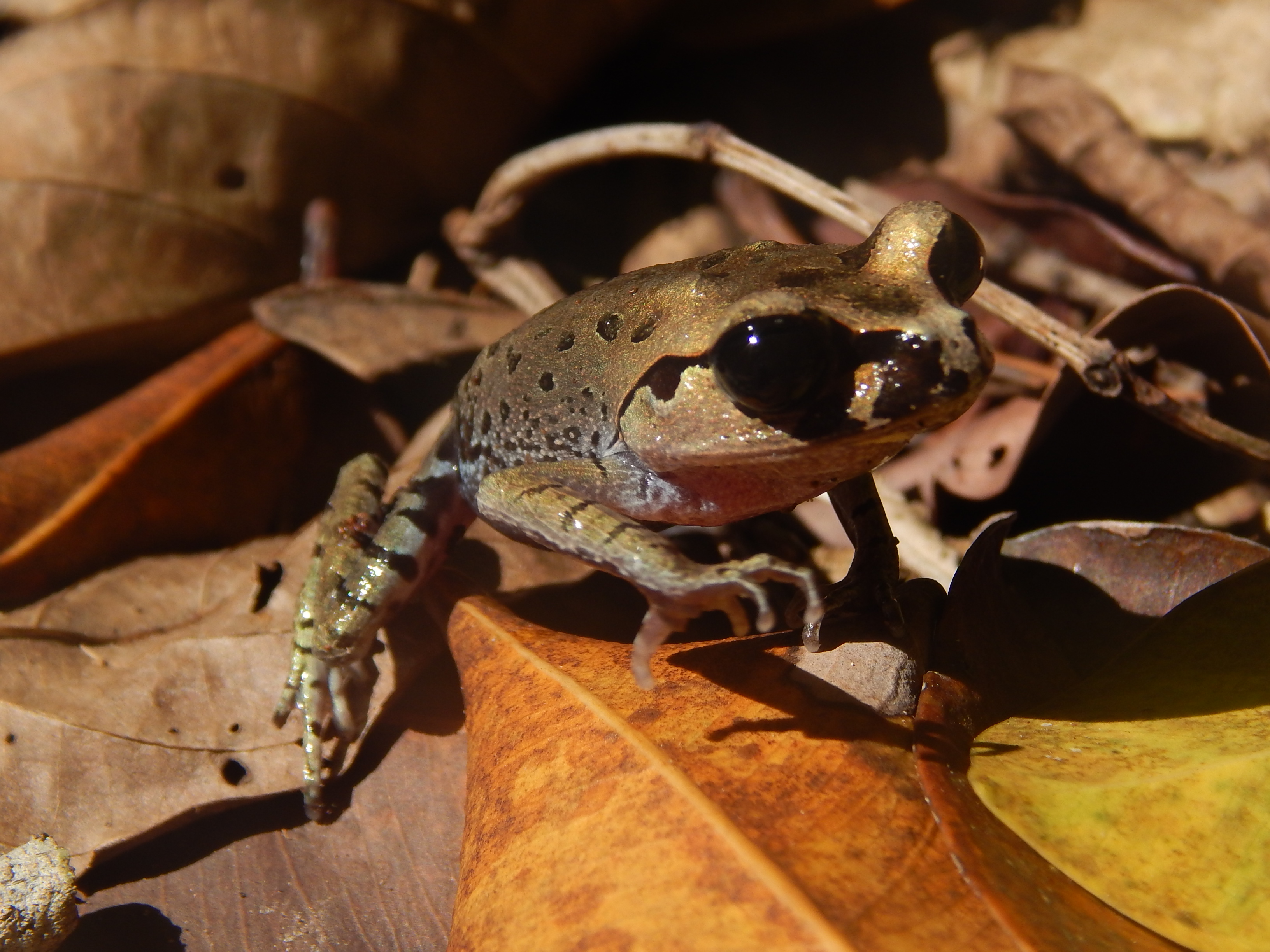
Javan tigers once prowled Ujung Kulon. They survived here until the mid-1960s, then vanished. The Javan rhinoceros almost followed them into extinction. By the 1980s, the population in the park was estimated at 40 to 60 individuals. After the last Javan rhino in Vietnam's Cat Tien National Park died around 2010, Ujung Kulon became the species' sole habitat on Earth. Conservation efforts have been painstaking: camera traps and motion-sensor video systems track individual animals, identified by the unique wrinkle patterns around their eyes. By 2011, researchers had catalogued 35 individuals -- 22 males, 13 females. Recent estimates put the population at roughly 82, a fragile gain. Roughly 35 mammal species endemic to Java also shelter here, including the silvery gibbon, the Javan leopard, the banteng, and the Java mouse-deer, along with 197 species of birds.
A Forest at War with Itself
Not all threats to Ujung Kulon come from poachers or developers. One of the park's most persistent challenges is a palm. The Arenga palm grows aggressively, spreading its canopy so wide that it starves the undergrowth of sunlight. For the rhinoceros, this is a direct threat: the Arenga smothers the low-growing plants the rhinos depend on for food. Park authorities have been waging an ongoing eradication campaign against the palm, cutting it back to preserve the understory vegetation that sustains the rhino population. Meanwhile, competition for feeding grounds has intensified as patches of invasive Eupatorium vegetation have been cleared, concentrating both rhinos and banteng into shrinking areas. The park's 175 documented plant species include mangroves, coastal plants, figs, and three protected rare species -- Heritiera percoriacea, Vatica bantamensis, and Intsia bijuga -- each clinging to survival in a landscape defined by competing pressures.
The Peninsula's Edge
Ujung Kulon is not an easy place to visit, and that difficulty is part of what has preserved it. The park encompasses the entire Ujung Kulon Peninsula, the surrounding islands including Peucang Island, and the Gunung Honje mountain range to the east, where Mount Honje marks the park's highest point. Much of the park is marine -- coral reefs, mangrove coastlines, and the warm waters of the Sunda Strait that separate Java from Sumatra. The volcanic Krakatoa archipelago, once administered as part of the park, is now managed separately as the Pulau Anak Krakatau Marine Nature Reserve. From the peninsula's western beaches, you can look out across the strait toward Anak Krakatau, the volcanic island still growing from the caldera its parent created in 1883. The view is a reminder that Ujung Kulon exists in a geologically restless neighborhood, where creation and destruction cycle on timescales both human and geological.
From the Air
Located at 6.75S, 105.33E at the extreme western tip of Java, Indonesia. The park is visible as a densely forested peninsula jutting into the Sunda Strait, with the Krakatoa archipelago visible to the northwest. Nearest airport is Soekarno-Hatta International (WIII) in Jakarta, approximately 200 km to the east. The small airstrip at Banten is closer but limited. Recommended viewing altitude: 10,000-20,000 ft for perspective on the peninsula's isolation and its relationship to the Krakatoa islands across the strait. The Honje mountain range along the eastern boundary provides a useful visual reference.