Ulster Folk and Transport Museums
Walk through the door of a terraced house in the recreated town of Ballycultra, and smoke is rising from an open hearth. A printer works a hand press in the next building. Across the road, a church bell hangs silent above an empty pew. None of this is where it was originally built. Every structure in the Ulster Folk Museum was dismantled somewhere in Ireland, transported to this 136-acre estate near Cultra, and reassembled brick by brick. The museum exists because someone in the 1950s realised that the rural Northern Ireland of thatched cottages and hand-forged tools was disappearing, and that once it was gone, no amount of nostalgia could bring it back.
Saving a Vanishing World
The Ulster Folk Museum was authorised by an Act of the Northern Ireland Parliament and acquired the former estate of Sir Robert Kennedy in 1961. It opened to the public three years later, with a mission to preserve a way of life being erased by urbanisation and industrialisation. The approach was radical: rather than displaying artefacts behind glass, the museum collected entire buildings from across Ireland and reconstructed them on the rolling Cultra grounds. Visitors stroll through an early-twentieth-century countryside of farms, cottages, crops, and livestock, then enter Ballycultra, a typical Ulster town complete with shops, churches, terraced housing, and a tea room. Staff demonstrate open-hearth cooking, printing, needlework, and traditional Irish crafts. The museum also holds Northern Ireland's main film, photographic, television, and sound archives, including the BBC Northern Ireland broadcasting archive and over 2,000 hours of Irish-language radio from RTe Raidio na Gaeltachta.
The DeLorean and the Locomotive
Across the road from the Folk Museum, the Ulster Transport Museum tells a different story about Irish ingenuity and ambition. Its origins lie in Belfast Corporation's collection of historic transport items, first exhibited in a former engine shed near Queen's Quay station in the 1950s. The collection moved to Witham Street in 1962, merged with the Folk Museum in 1967, and eventually settled into purpose-built galleries at Cultra in the 1990s. Among its most famous exhibits is a DMC DeLorean, the sports car manufactured in Belfast by the DeLorean Motor Company and immortalised by Back to the Future. The car represents one of Belfast's most spectacular industrial gambles -- and one of its most famous failures. Nearby sits Great Southern Railways locomotive No. 800 Maedbe, one of the three largest and most powerful steam engines ever built and run in Ireland.
Wings, Hulls, and Handlebars
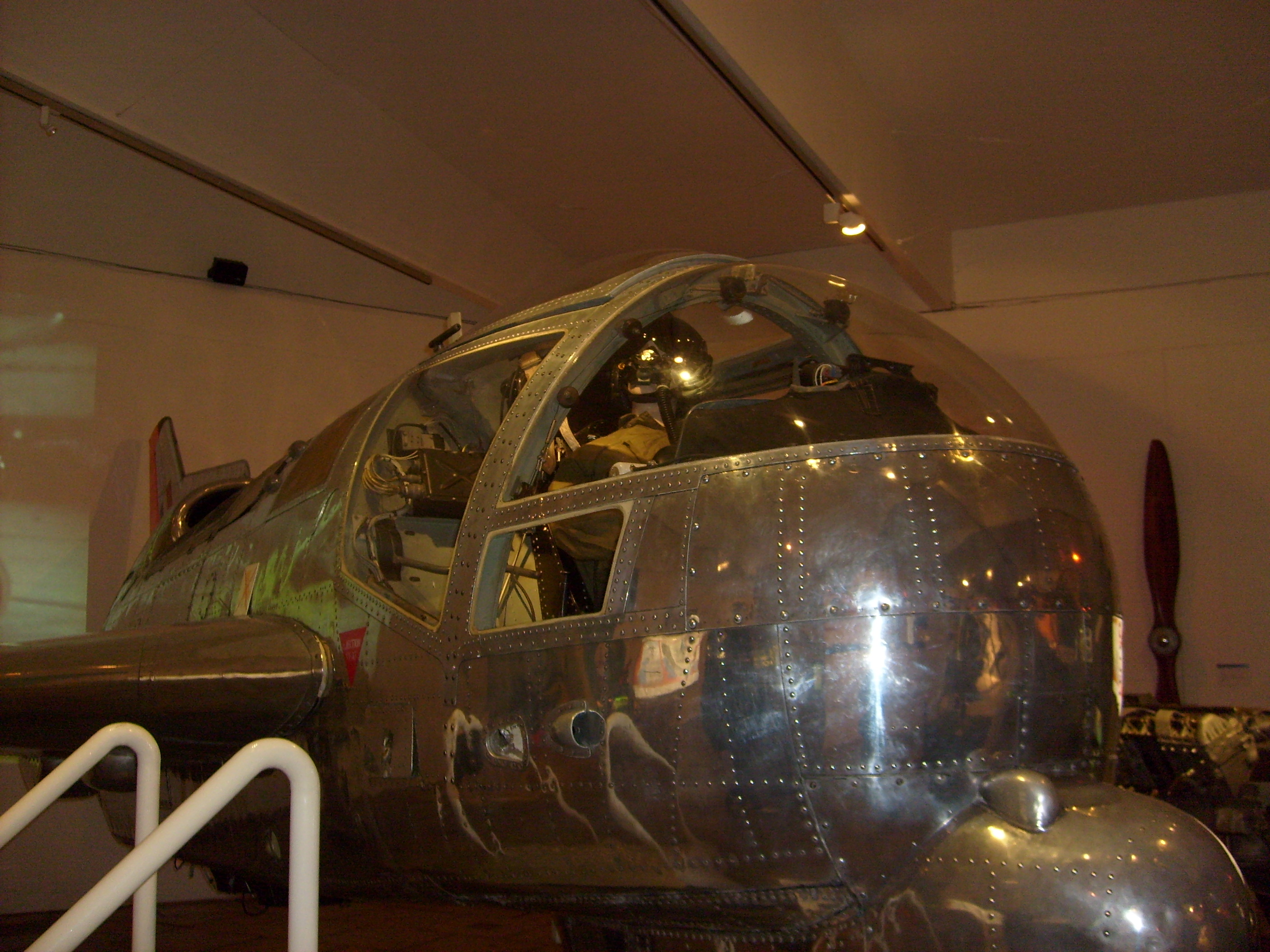
The Transport Museum's scope extends well beyond roads and rails. Ireland's largest railway collection fills an entire gallery with steam locomotives, passenger carriages, goods wagons, and 150 years of memorabilia. The road transport galleries display everything from bicycles to trams to early Formula 1 racing cars. In October 2023, a collection of seven racing motorbikes from local legends, including the great Joey Dunlop, opened in the Driven gallery. On the nautical side, a permanent Titanic exhibition documents the construction and loss of the ship built just a few miles away at Harland and Wolff, while the 120-ton steel schooner Result sits in the grounds. The sole aircraft on display is uniquely significant: a Short SC.1, an experimental vertical take-off aeroplane manufactured by Shorts of Belfast. Only two were ever built. This one, XG905, crashed in 1963 and killed its pilot, but was repaired, flown again, and eventually preserved here.
Two Museums, One Estate
Now operating as two separate museums within the National Museums NI network, the Folk and Transport Museums occupy a combined 176 acres along the shore of Belfast Lough. The site is reachable by train from Belfast on the Bangor line, with Cultra station a short walk from the entrance. The museums rank among Ireland's foremost visitor attractions and hold the distinction of being a former Irish Museum of the Year. What makes the pair unusual is their complementary vision: one preserves the world that was vanishing, the other celebrates the machines that were transforming it. Together they form an honest portrait of a society caught between tradition and modernity, between the handloom and the assembly line, between the thatch roof and the stainless steel fuselage.
From the Air
Located at 54.65°N, 5.80°W in Cultra, on the southern shore of Belfast Lough, approximately 11 km east of Belfast city centre. The estate grounds are visible as a large green area along the lough shore. Belfast City Airport (EGAC) is approximately 7 km to the west. Cultra railway station on the Belfast-Bangor line serves the site.