Dutch Harbor: Where the Deadliest Catch Comes Home
Every crab on every restaurant menu passed through Dutch Harbor. The port at Unalaska processes more seafood by value than any in the United States - over 800 million pounds annually, mostly from the Bering Sea fisheries that provide most of America's crab, pollock, and cod. The work is deadly: fishing in the Bering Sea kills more workers per capita than any other American industry. The town exists because the fishery exists, a cluster of processing plants and support services at the edge of the Aleutian chain, accessible only by air or sea, populated by workers who know exactly how dangerous their jobs are. This is where Deadliest Catch is really caught.
The Port
Dutch Harbor isn't really a town - it's a working waterfront that happens to have residents. The harbor occupies a natural bay on Unalaska Island, protected from the Bering Sea's worst weather by surrounding mountains. Processing plants line the shore, receiving catches from crab boats, longliners, and factory trawlers. The infrastructure is industrial: cranes, conveyor belts, refrigeration units, and an endless parade of forklifts. The smell of fish permeates everything. During peak seasons, the port operates 24 hours, processing catches that arrive regardless of time or weather.
The Fishery
The Bering Sea fishery is among the world's most productive - and most dangerous. King crab, snow crab, pollock, cod, and other species support a fleet of hundreds of vessels. The crab fishery made Dutch Harbor famous through the television series Deadliest Catch, which documented the brutal conditions: 40-foot waves, icing that can capsize vessels, temperatures that freeze exposed flesh in minutes. The pollock fishery is larger by volume, supplying the fish for fast-food sandwiches and imitation crab worldwide. Both fisheries are tightly managed; quota systems limit catches to sustainable levels.
The Danger
Bering Sea fishing kills people. The fatality rate is 30 times the national average for American workers. Waves sweep crewmen overboard; icing makes decks treacherous; exhaustion leads to errors; machinery mangles anyone who loses focus. Coast Guard helicopter crews train constantly for rescues they know will come. Memorial services are regular events. The danger is part of the culture - fishermen know the odds and accept them, trading safety for the money that a good crab season can provide. The processing plants are safer but still demanding: long shifts, cold conditions, and repetitive motion injuries.
The Town
Unalaska/Dutch Harbor has about 4,500 residents, though the population swells during fishing seasons with temporary workers. The town has a grocery store, several restaurants, a few hotels, and not much else. Weather is the dominant force: wind averages 25 mph, rain falls most days, and williwaws - sudden violent windstorms - can appear without warning. The landscape is treeless tundra, beautiful in its harsh way. The Aleutian World War II National Historical Area interprets the 1942 Japanese bombing and subsequent military buildup. But mostly, Dutch Harbor is about fish - catching them, processing them, shipping them to the rest of America.
Visiting Dutch Harbor
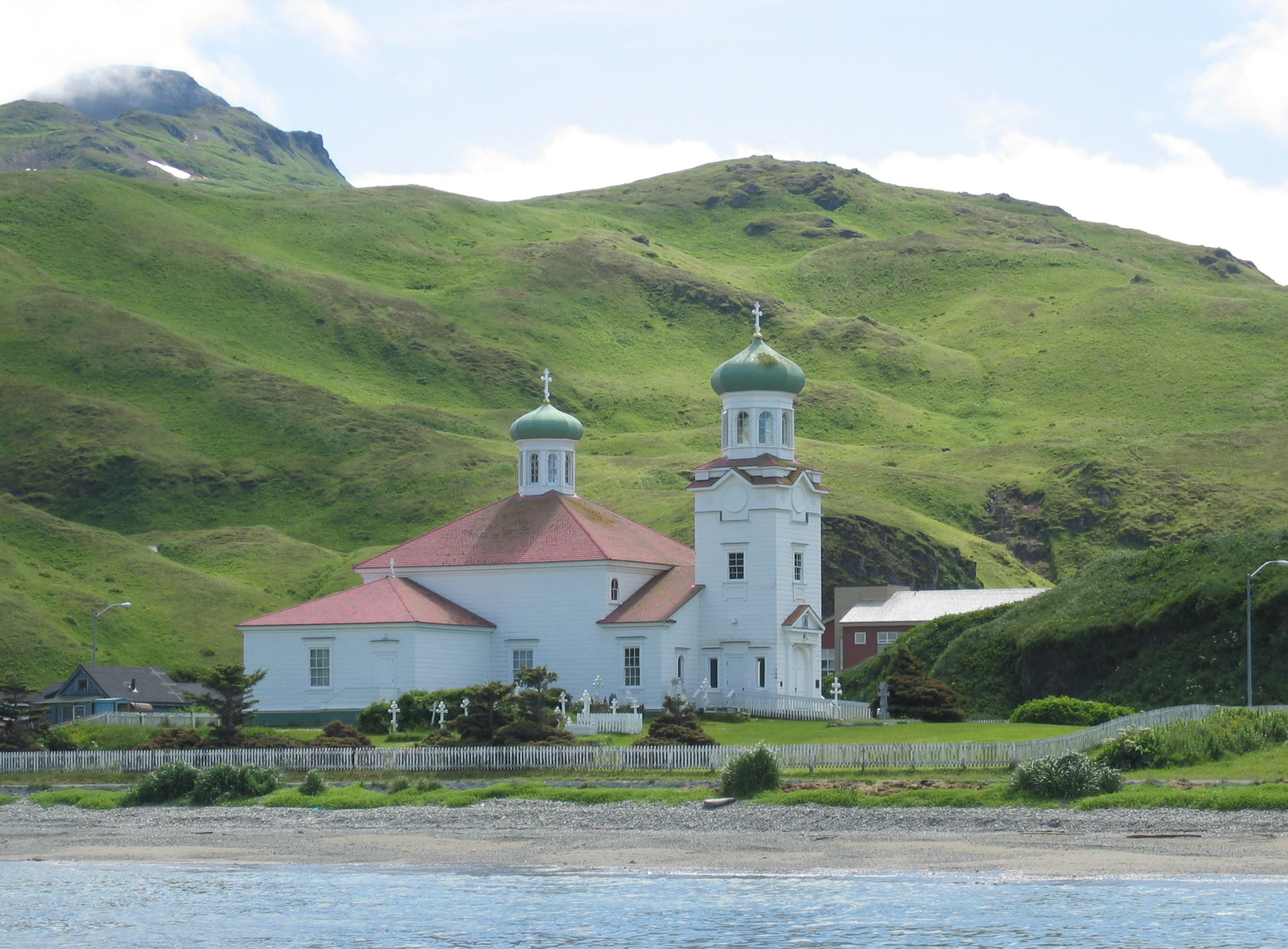
Unalaska/Dutch Harbor is accessible by Alaska Airlines from Anchorage (daily flights, weather permitting). The Alaska Marine Highway ferry serves the community infrequently. Hotels exist but are often booked by fishing industry workers; reserve well in advance. Restaurants serve fresh seafood for obvious reasons. The Museum of the Aleutians interprets Indigenous Unangan culture and WWII history. The Russian Orthodox Church of the Holy Ascension, built in 1896, is a National Historic Landmark. Hiking opportunities abound in the treeless mountains. Wildlife includes eagles, sea otters, and whales in season. Weather gear is essential year-round. Visit to understand where American seafood comes from and what it costs to harvest.
From the Air
Located at 53.89°N, 166.54°W on Unalaska Island in the Aleutian chain. From altitude, Dutch Harbor appears as a collection of industrial buildings around a protected bay, surrounded by treeless volcanic mountains. Processing plants and docks line the waterfront. Vessels are visible at anchor or at the docks. The runway is visible - short and challenging, requiring specially trained pilots. Unalaska Island and neighboring Amaknak Island (connected by bridge) form the community. The Bering Sea stretches north; the Pacific lies south. The isolation is evident - no roads connect to anywhere, and the nearest significant settlement is 800 miles away in Anchorage.