United States Army Aviation Museum
Only two Boeing-Sikorsky RAH-66 Comanches were ever built. The stealth reconnaissance helicopter consumed $7 billion in development before the Army cancelled the program in 2004 without ever putting it into service. One of those two aircraft sits on the museum floor at Fort Rucker, Alabama, where visitors can walk around the angular, faceted fuselage that was supposed to be the future of Army aviation. It is the museum's biggest draw, and it captures something essential about this place: the Army Aviation Museum does not just celebrate successes. It preserves the full, complicated arc of American military flight.
From the Wright Flyer to the Dustoff Helicopter
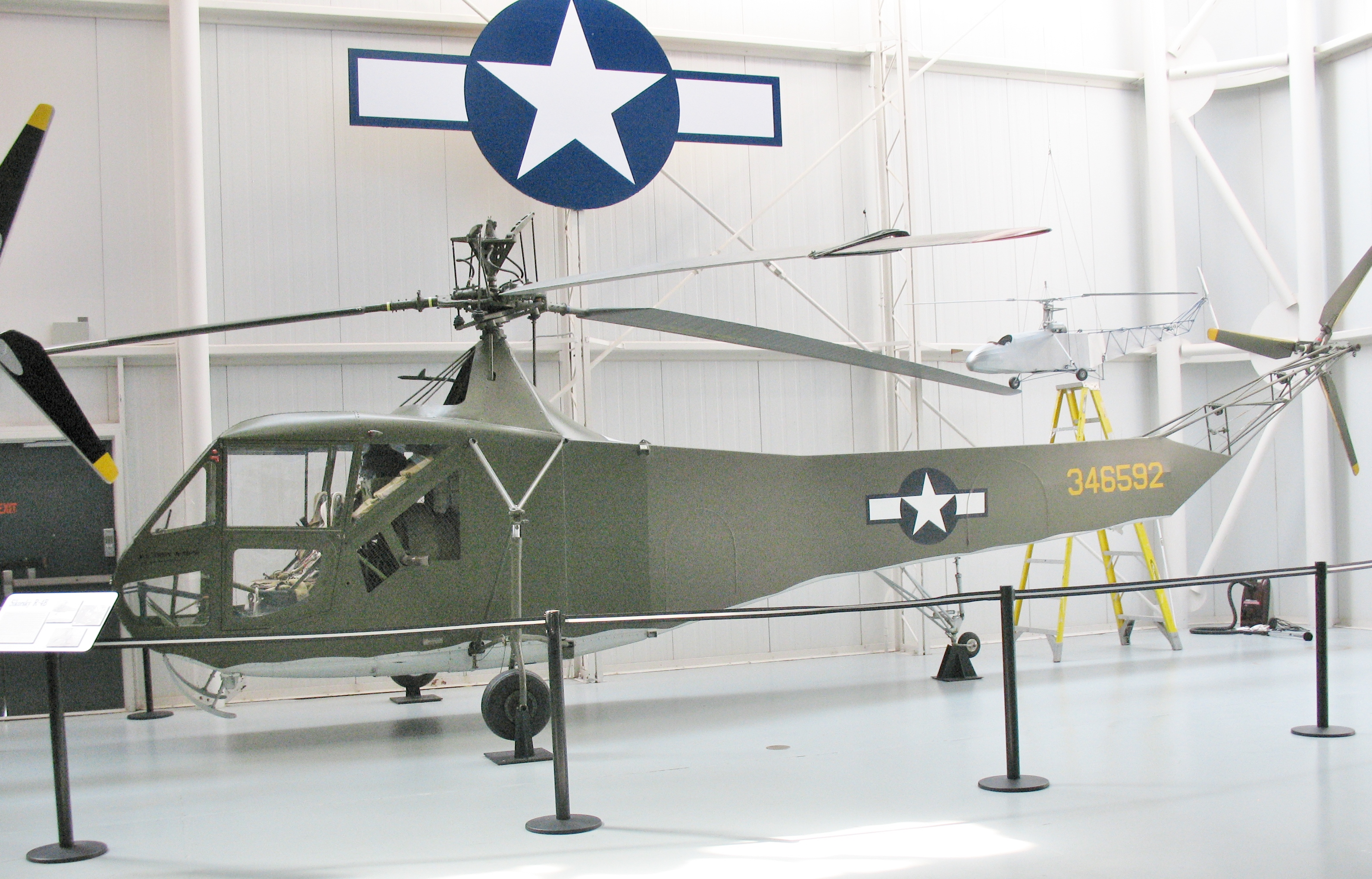
The museum's collection spans more than a century of Army aviation. It begins with a replica of the Wright brothers' Model B military biplane, the aircraft that established the Army's first foothold in powered flight. From there, the timeline moves through World War I observation planes, the fixed-wing workhorses of World War II, and into the Korean War era, where helicopters first proved themselves as battlefield lifesavers. The Sikorsky R-4, often credited as the world's first mass-produced helicopter, is among the collection's prized pieces. More than 160 aircraft fill the museum's hangars, alongside 3,000 historical artifacts that include flight gear, maps, instruments, and personal effects of the aviators who flew these machines into combat zones around the world.
Vietnam and the Rise of the Helicopter War
Vietnam transformed Army aviation from a supporting role into a defining feature of modern warfare, and the museum reflects that transformation. The conflict generated the iconic images of UH-1 Hueys lifting off from jungle clearings and medevac pilots threading through hostile fire to reach the wounded. Fort Rucker trained many of the pilots who flew those missions, including Chief Warrant Officer Michael J. Novosel, who flew 2,543 medevac missions and extracted 5,589 wounded personnel, earning the Medal of Honor in 1971. The museum houses Vietnam-era helicopters and artifacts that document this period when the helicopter became the Army's most critical tool for mobility, firepower, and casualty evacuation.
A Museum Born on a Shoestring
When the Army Aviation Museum was officially established on April 17, 1956, there were no clear Army regulations for funding or organizing a museum. The collection started modestly, housed in wooden buildings that belied the significance of what they contained. The doors opened to the public on November 26, 1968, and more than 130,000 visitors came in the first year alone. By 1977, the museum was announcing plans to raise funds for a proper structure to replace those original wooden buildings. Growth continued steadily. In November 2019, the museum broke ground on the William A. Howell Training Support Facility, a new building that opened on April 12, 2024. Today, roughly 50 aircraft are on public display, with the rest of the 160-plus collection in storage or on loan, making this the largest helicopter collection held by any museum in the world.
Walking the Flight Line
The museum sits on Fort Rucker, the home of Army aviation since 1973, which means visitors are surrounded by the living institution that these aircraft served. Training helicopters circle overhead as guests examine the machines that preceded them. The collection includes the AH-64 Apache attack helicopter, the UH-60 Black Hawk utility helicopter, and the CH-47 Chinook heavy-lift helicopter, all of which are actively flown by the units training just across the airfield. That proximity between the museum's preserved aircraft and the active flight line gives the place an immediacy that few aviation museums can match. You are not looking at history sealed behind glass. You are standing at the crossroads where the past of Army aviation meets its present.
From the Air
Located at 31.32N, 85.71W on the grounds of Fort Rucker in Dale County, Alabama. The museum is situated near the post's main facilities and is identifiable from the air by the outdoor aircraft displays visible on the grounds. Nearest airfield: Cairns Army Airfield (KOZR) is immediately adjacent. Caution: heavy rotary-wing training traffic in the Fort Rucker airspace. Dothan Regional Airport (KDHN) is approximately 20 nm southeast. Recommended viewing altitude: 2,000-3,000 feet AGL to spot the outdoor aircraft displays. The museum complex is on the western side of the post near the main entrance from Daleville.