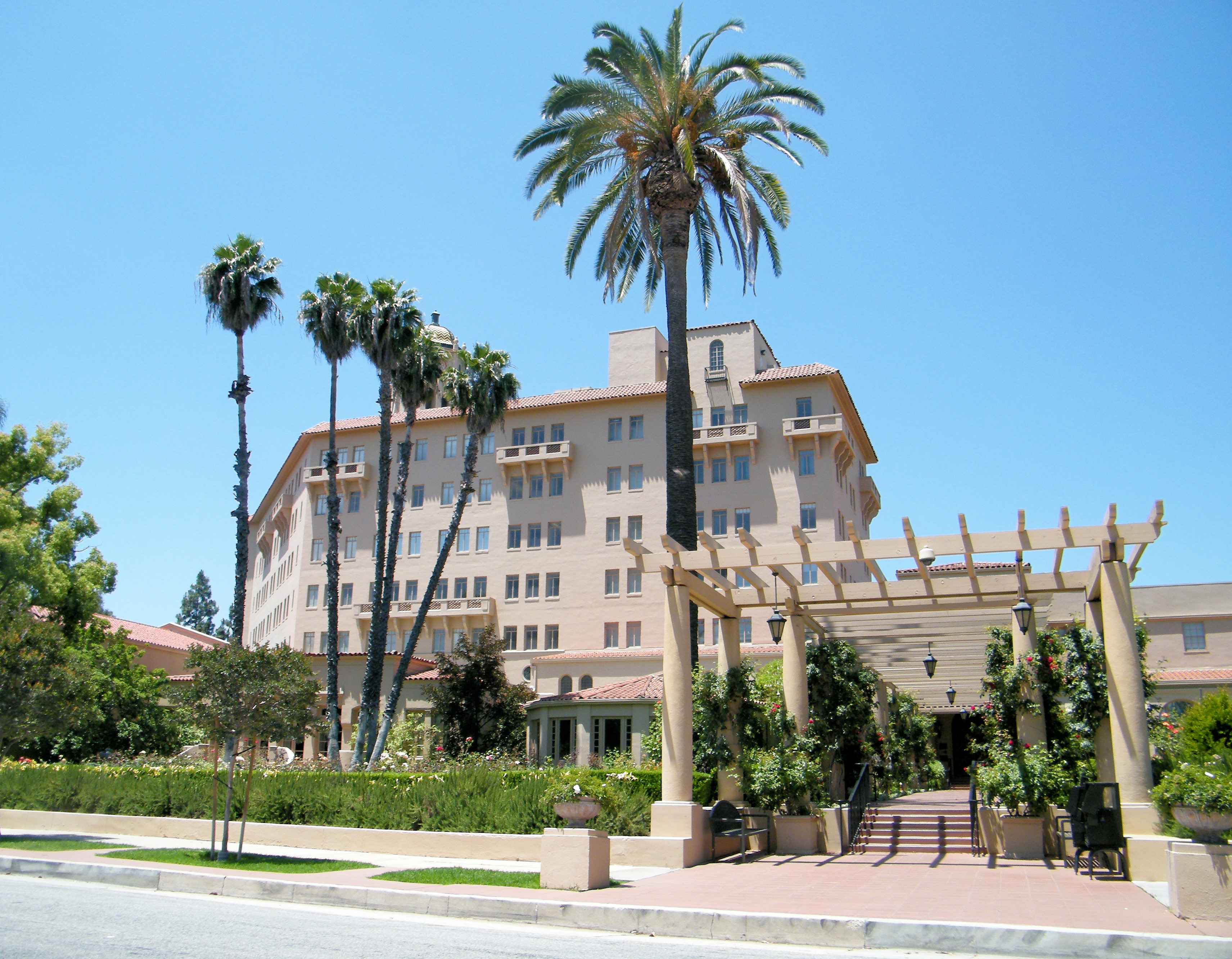
United States Court of Appeals for the Ninth Circuit
The Ninth Circuit Court of Appeals is the federal court that conservative politicians love to hate. Headquartered in San Francisco and covering nine western states plus Guam and the Northern Mariana Islands, it is the largest of the thirteen federal appellate courts and consistently among the most reversed by the Supreme Court. Its jurisdiction stretches from Alaska to Arizona, from Montana to Hawaii, encompassing more than 60 million people and some of the most contentious legal questions in American life. The court's reputation for progressive rulings reflects its geography: it covers the most politically diverse region of the country, from deep-blue California to deep-red Idaho.
The Biggest Circuit
The Ninth Circuit's size is both its defining characteristic and its perennial problem. It encompasses the District of Alaska, District of Arizona, Central, Eastern, Northern, and Southern Districts of California, District of Hawaii, District of Idaho, District of Montana, District of Nevada, District of Oregon, Eastern and Western Districts of Washington, the District of Guam, and the District of the Northern Mariana Islands. This territory includes major population centers, vast wilderness, military installations, indigenous lands, and some of the most complex environmental and immigration law in the country. Proposals to split the circuit have recurred for decades, usually pushed by politicians frustrated with rulings they disagree with.
The San Francisco Courthouse
The court is headquartered in the James R. Browning United States Courthouse at 95 Seventh Street in San Francisco's Civic Center, a Beaux-Arts building completed in 1905 that survived the 1906 earthquake. The building's ornate courtrooms, with their high ceilings and mahogany woodwork, provide a setting that underscores the gravity of the cases heard there. Appeals involving immigration policy, environmental regulations, technology company practices, and constitutional rights regularly draw national attention. The court also sits in Pasadena, Portland, and Seattle, reflecting its sprawling geographic reach.
The Reversal Rate
The Ninth Circuit's reversal rate by the Supreme Court has been a subject of political commentary for decades. Critics cite it as evidence of judicial activism; defenders note that the circuit's large caseload means more cases reach the Supreme Court in absolute numbers, and that the reversal rate, when examined by percentage rather than raw count, is not dramatically different from other circuits. The court's rulings on immigration, same-sex marriage, gun control, and environmental regulation have placed it at the center of the country's most heated legal debates. Whatever one's view of its decisions, the Ninth Circuit shapes the law for one-fifth of the American population.
From the Air
The James R. Browning Courthouse is at 37.78N, -122.41W in San Francisco's Civic Center. The Beaux-Arts building is near City Hall. Nearest airports: KSFO 11nm south, KOAK 9nm east.